
EMS and SMT Assembly: Five Trends Reshaping the Modern SMT Line
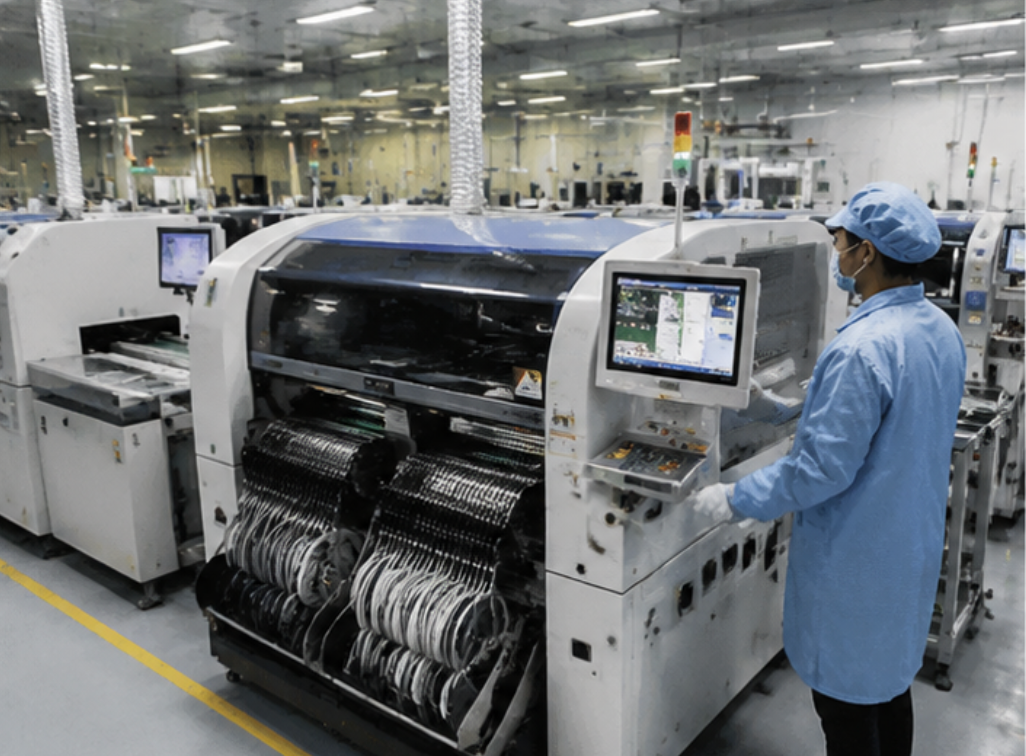
An SMT line is no longer judged only by how fast it places parts. The buyers I talk to now ask how quickly it can change over, how much of the process it can prove after the fact, and whether the same line can handle a fifty-piece prototype run on Tuesday and a fifty-thousand-piece order in the same month. Those questions come from real pressure, and they are reshaping what gets specified. Here are the five trends doing the most work, and what they mean for anyone planning a build this year, whether the work sits with an in-house SMT core process team or with an outside partner.
📏 Finer Pitch Becomes Routine
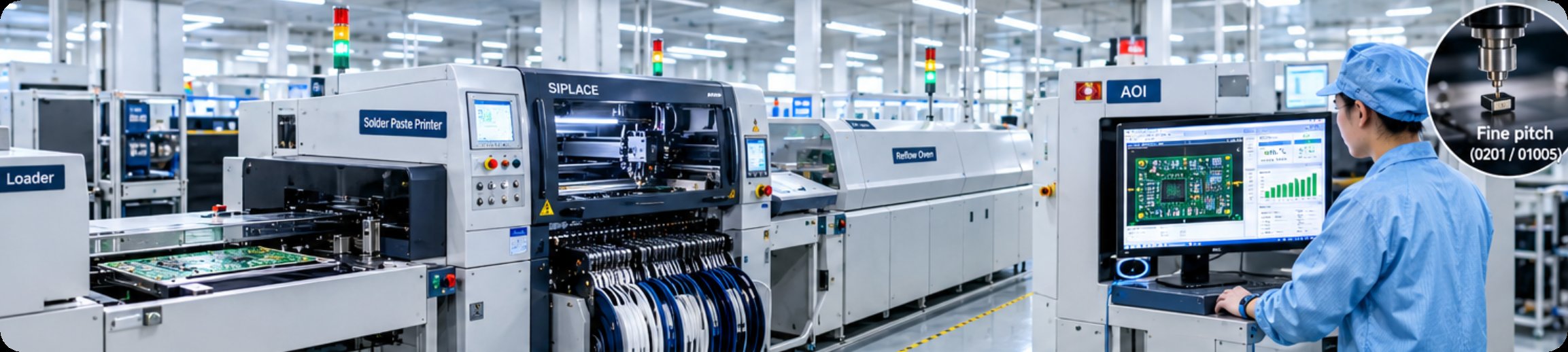
The first trend is simply that small has become normal. Components that required a specialist line five years ago are now placed on standard equipment, and the differentiation has moved from whether a line can place them to whether it can place them repeatably across a long run. That shift puts the burden on inspection and on process control rather than on placement speed. A SMT assembly service is now judged as much on its first-pass yield at fine pitch as on its nominal throughput, and buyers who only compare placement rates are measuring the wrong thing.
🔁 Changeover Speed as a Buying Criterion
The second trend is flexibility, and it is the one that changes the economics of a line. Mixed-volume production used to be a compromise that cost money. It is now the default expectation, which makes changeover time a commercial variable rather than an engineering detail. Feeder strategy, program reuse, and setup discipline decide whether a line can profitably run short batches, and the operations that invested there are the ones winning prototype and bridge production that used to go to smaller shops.
🔍 Traceability Moves From Optional to Expected
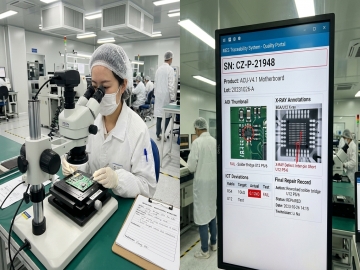
The third trend is data. Traceability used to be something an automotive or medical customer asked for, and everyone else treated it as overhead. It is now routinely expected, because a supplier who can show which paste lot, which reel, and which oven profile produced a board is a supplier who can diagnose a field return in days instead of weeks. The practical consequence is that traceability has become a qualification criterion, and lines without it are being screened out before price is even discussed.
🧪 Testing Moves Earlier in the Flow
The fourth trend is that test is moving upstream. Rather than building a board and finding out at the end, more operations are inspecting paste deposition, verifying placement, and catching reflow issues while the board is still in the line. This is not new technology. What is new is the expectation that it is standard rather than premium, and the reason is straightforward: a defect caught at paste inspection costs cents, and the same defect caught at functional test costs the whole board.
🔧 Through-Hole Refuses to Disappear
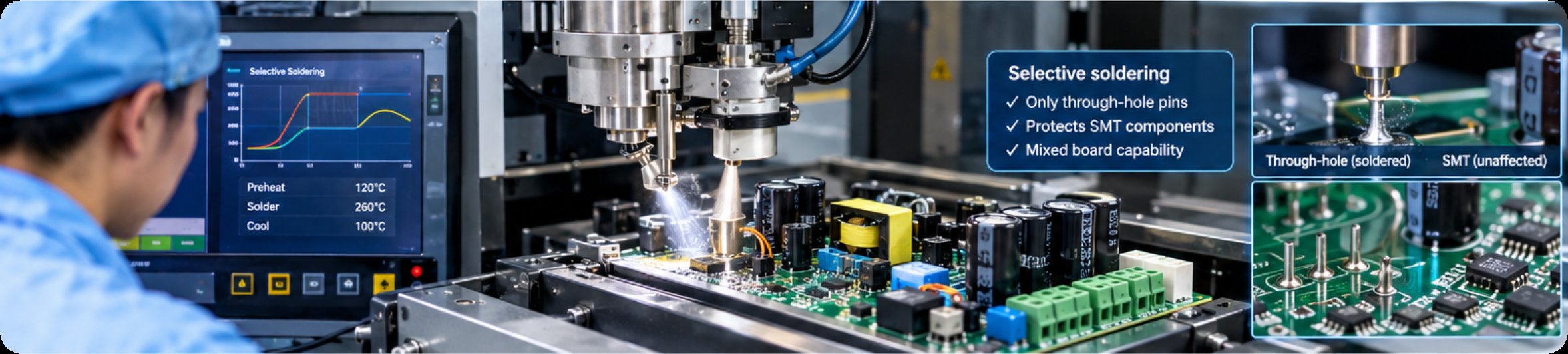
The fifth trend is a stubborn one. Every few years someone declares through-hole dead, and every few years it turns out that connectors, large magnetics, and anything that takes mechanical load still want a lead through a board. What has changed is how it gets assembled, with selective soldering replacing the wave for mixed boards so that the through-hole step stops damaging nearby surface-mount parts. The DIP assembly step is no longer the slow legacy stage at the end of the line. It is a controlled process that runs alongside surface-mount rather than after it.
🤝 What Turnkey Actually Means Now
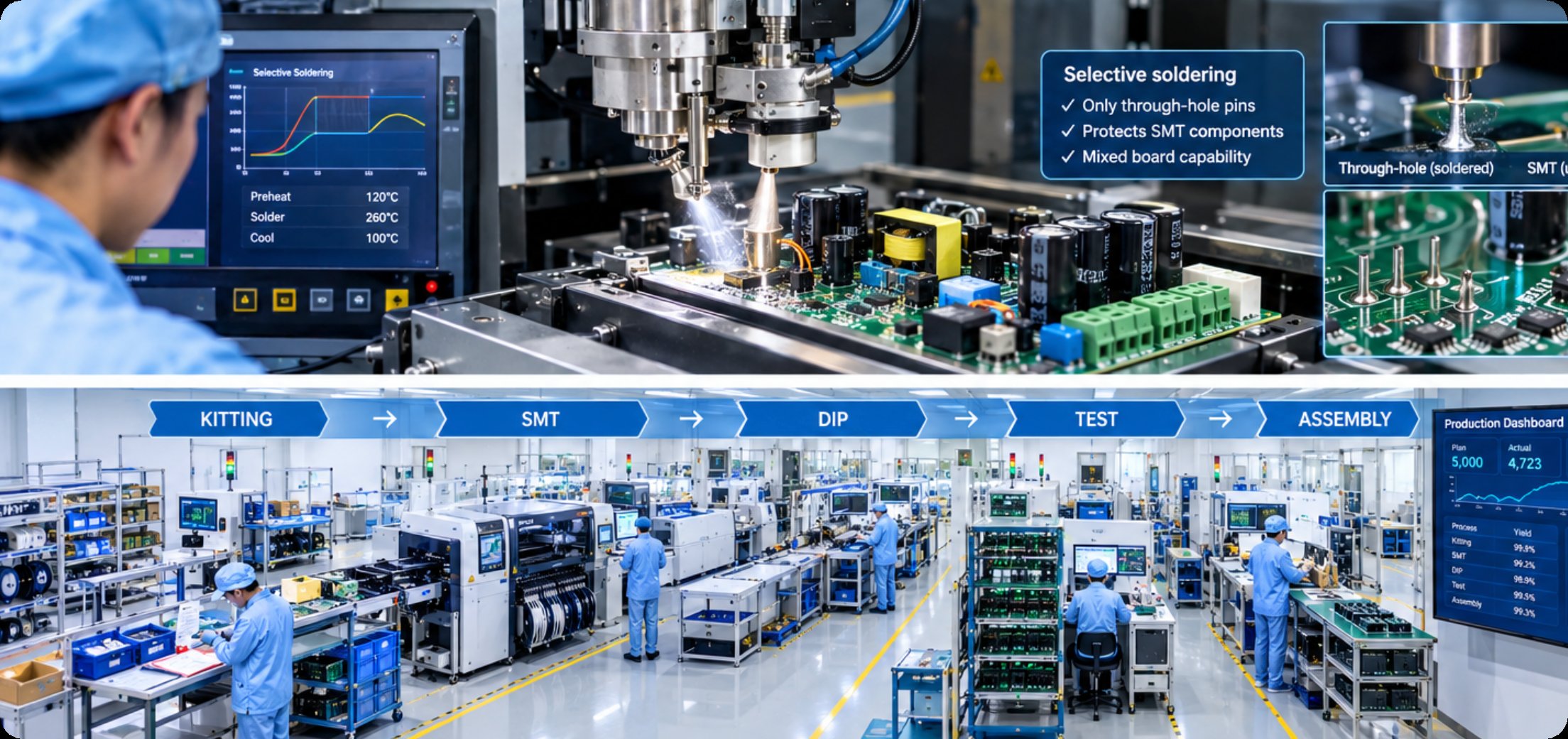
All five trends push toward the same conclusion: the value has moved from operating a machine to orchestrating a flow. That is what buyers now mean by turnkey, and it is why EMS electronic manufacturing has become less about owning equipment and more about owning the coordination: procurement, kitting, the assembly steps, the inspection regime, and the data trail that ties them together. A partner who can run that chain end to end removes more risk than any single machine specification.
📊 What Buyers Ask Before Signing
The questions in a current RFQ read very differently from those of three years ago. Buyers ask about changeover time, about what the line records, about where inspection sits, and about how through-hole is handled on a mixed board. Placement speed appears, but rarely first. That reordering is the clearest signal that the competitive ground has shifted from capacity to control.
| Trend | What changed | Why it matters | How to evaluate it |
|---|---|---|---|
| Finer pitch | Small parts on standard lines | Yield, not speed, is the differentiator | Ask for first-pass yield at fine pitch |
| Changeover speed | Mixed volume is the default | Short runs must stay profitable | Ask for changeover time on a real job |
| Traceability | From overhead to qualification | Field returns diagnosed in days | Ask what the line records per board |
| Earlier testing | Inspection inside the line | Defects cost cents instead of boards | Ask where inspection sits |
| Through-hole persists | Selective soldering on mixed boards | No damage to nearby SMT parts | Ask how through-hole is run |
💡 Planning the Next Investment Cycle
If you are planning a line or choosing a partner this year, evaluate against these five rather than against a placement rate. Ask how the operation handles a fifty-piece run, what it records, where it inspects, and how it solders a mixed board. Then learn more about our manufacturing capabilities to see how those answers look in practice, and read an SMT assembly ROI analysis for the cost side of the same decisions, which is where most of these trends ultimately show up.
Tags: SMT assembly trends / fine pitch / traceability / mixed board / turnkey EMS /
Prev: From Shop-Floor Habits to Board Yield: NEWEI Smart Wearable and Device PCBA ROI
Next: Custom Automotive Electronics and Shell Mold: Reliability Data from a Sealed-Build Validation