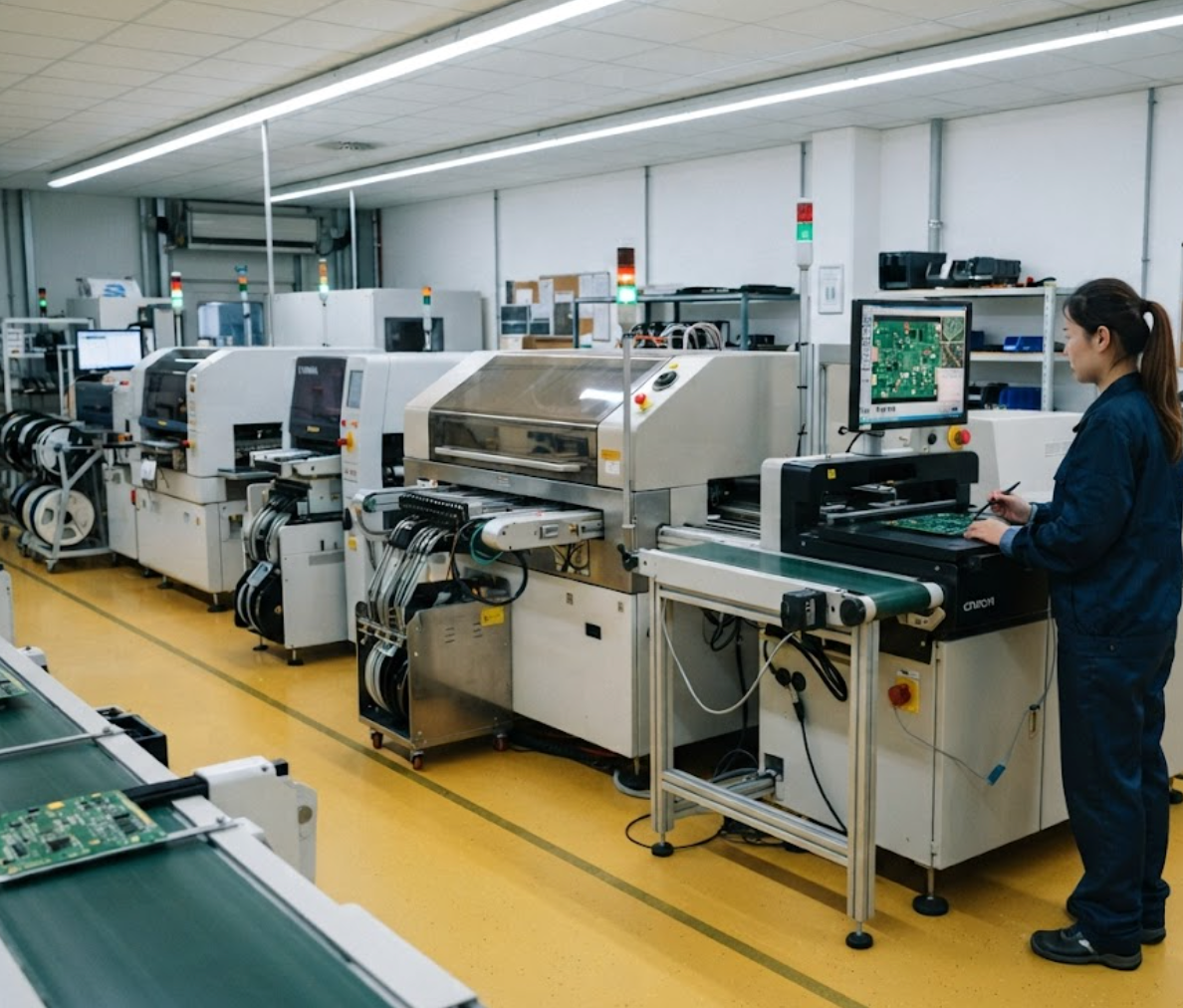

SMT Assembly Trends 2025: How NEWEI Custom PCB Assembly Keeps You Ahead
Here’s the thing about electronics manufacturing in 2025: the margin for error is thinner than ever. I’ve spent over a decade watching the industry evolve, and the shift toward miniaturization, higher layer counts, and custom PCB assembly complexity isn't slowing down—it's accelerating. The brands that win aren't just those with the best designs; they're the ones with the most agile, technically proficient manufacturing partners. If you're still treating your SMT line as a commodity service, you're already falling behind.
Every product development team hits the same wall: the design is brilliant, the market timing is perfect, but the transition from prototype to high-volume production becomes a nightmare. Tolerances tighten, component lead times stretch, and unexpected defects eat into margins. That’s precisely why the conversation around SMT assembly trends has shifted from pure placement speed to holistic process control, end-to-end traceability, and engineering collaboration. At Custom PCB Assembly Services specialist NEWEI, we’ve rebuilt our entire workflow around these industry realities—because your PCB fabrication and assembly partner should be your competitive advantage, not your bottleneck.
Why the SMT Assembly Landscape Is Changing Faster Than You Think
The demand for smaller, denser, and more feature-rich electronics is rewriting the rulebook. Consider the explosion of IoT devices, wearable health monitors, and automotive electronics. These aren't simple single-layer boards anymore; they're complex multi-layer PCBs with micro-BGAs, 0201 components, and rigid-flex designs. The traditional "place and pray" approach to PCB assembly is obsolete.
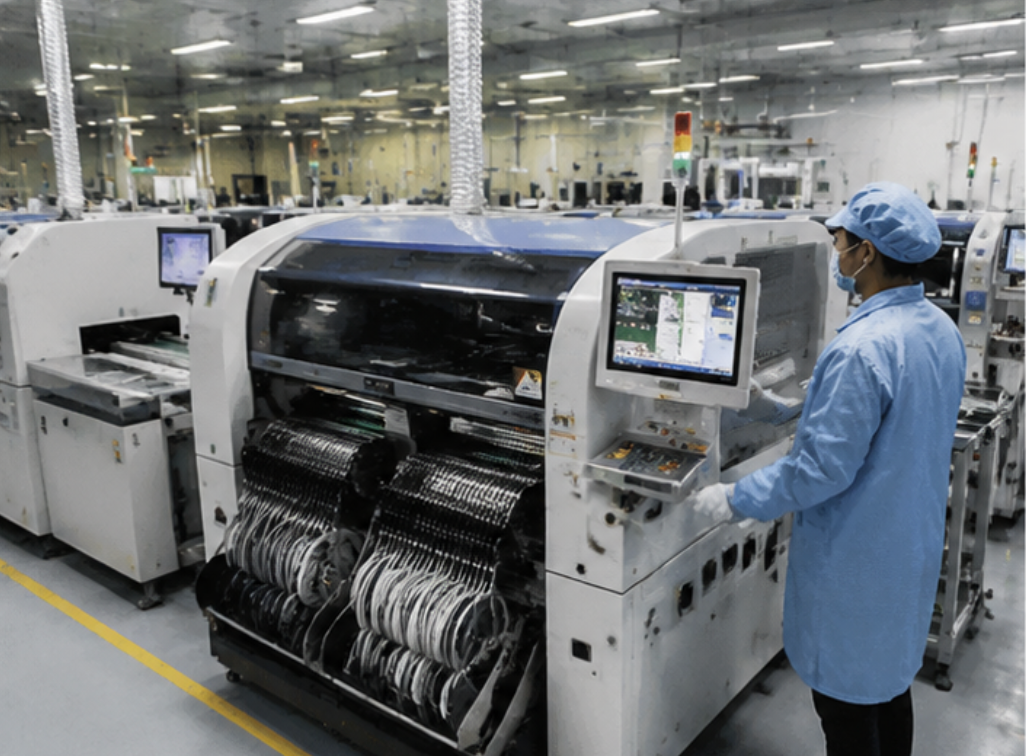
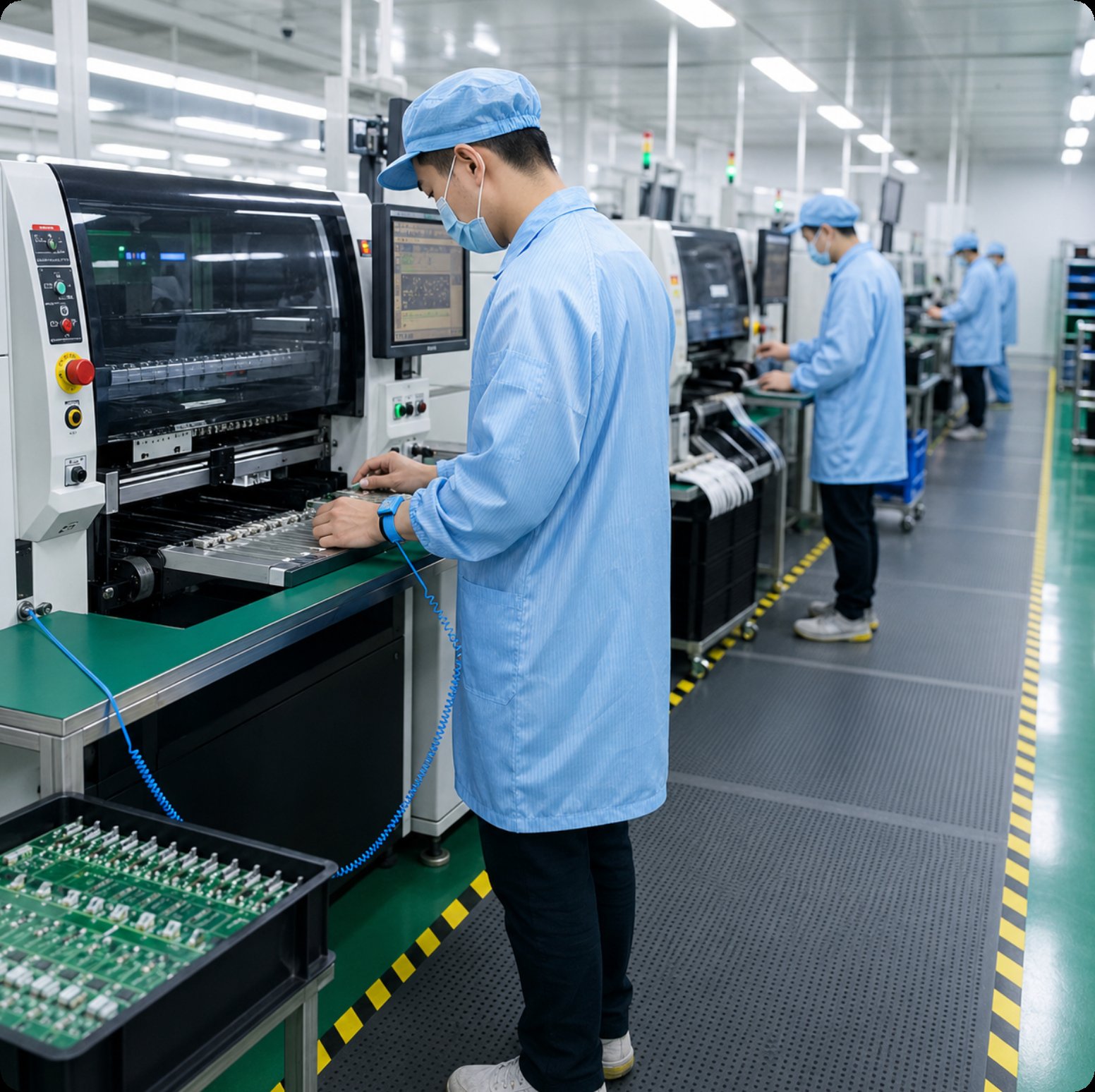
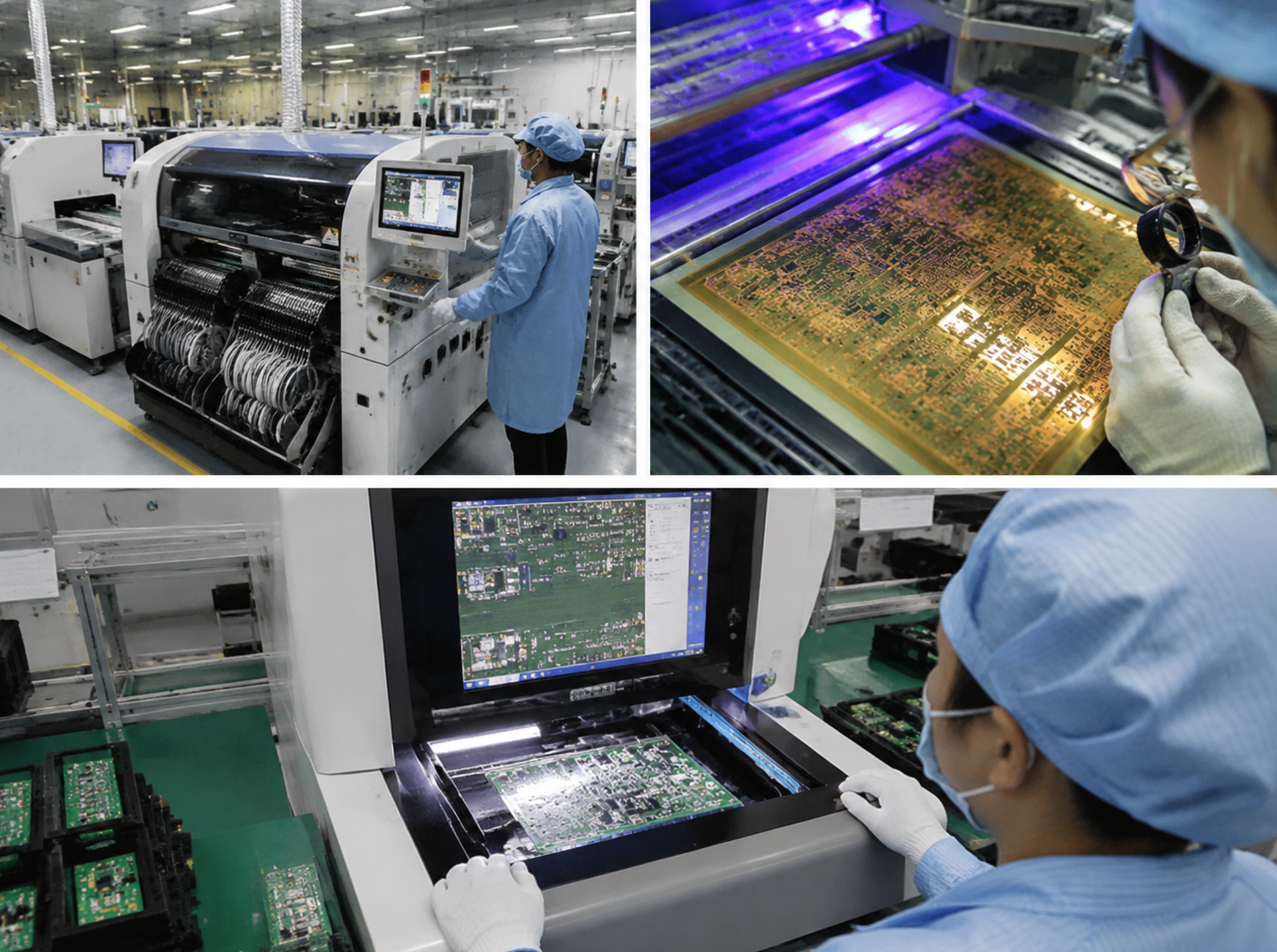
Instead, we're seeing a convergence of advanced machinery and data-driven quality management. For instance, the industry’s best-in-class facilities now operate with a defect rate measured in parts per million (ppm), not percentages. This precision requires more than just expensive pick-and-place machines; it requires a dedicated smt assembly solution that integrates solder paste inspection (SPI), automated optical inspection (AOI), and X-ray validation into a single, seamless workflow. At NEWEI, we've invested heavily in this exact infrastructure, ensuring that our clients’ products are built right the first time, every time.
Trend #1: The Rise of Smart Manufacturing and Industry 4.0
One of the most significant SMT assembly trends is the implementation of Industry 4.0 principles. It's no longer enough to just have machines; those machines must talk to each other and to a central management system. This connectivity provides real-time data on equipment effectiveness, material usage, and quality metrics. For our clients, this translates into unprecedented transparency. They don't just get a shipment of boards; they get a digital footprint of how those boards were made.
This data-driven approach is critical when we handle complex projects like FPA-N10A2E Intel Alder Lake-N Motherboard or the high-performance OMW-N2C19 AI Computing Motherboard. These aren't simple consumer goods; they're the brains of industrial automation systems, medical devices, and edge-computing gateways. They demand precision that only a fully connected, intelligent manufacturing environment can provide. The ability to trace a specific batch of solder paste to a specific board in a specific machine is no longer a luxury—it's a requirement.
Trend #2: Advanced Component Handling and Procurement
Another major shift is how we handle the global component shortage and its aftermath. The days of infinite stock are gone. Smart manufacturers are now integrating electronic component procurement services directly into their assembly workflow. This isn't just about buying parts; it's about strategic sourcing, managing long lead-time items, and qualifying alternate parts to ensure production never halts.
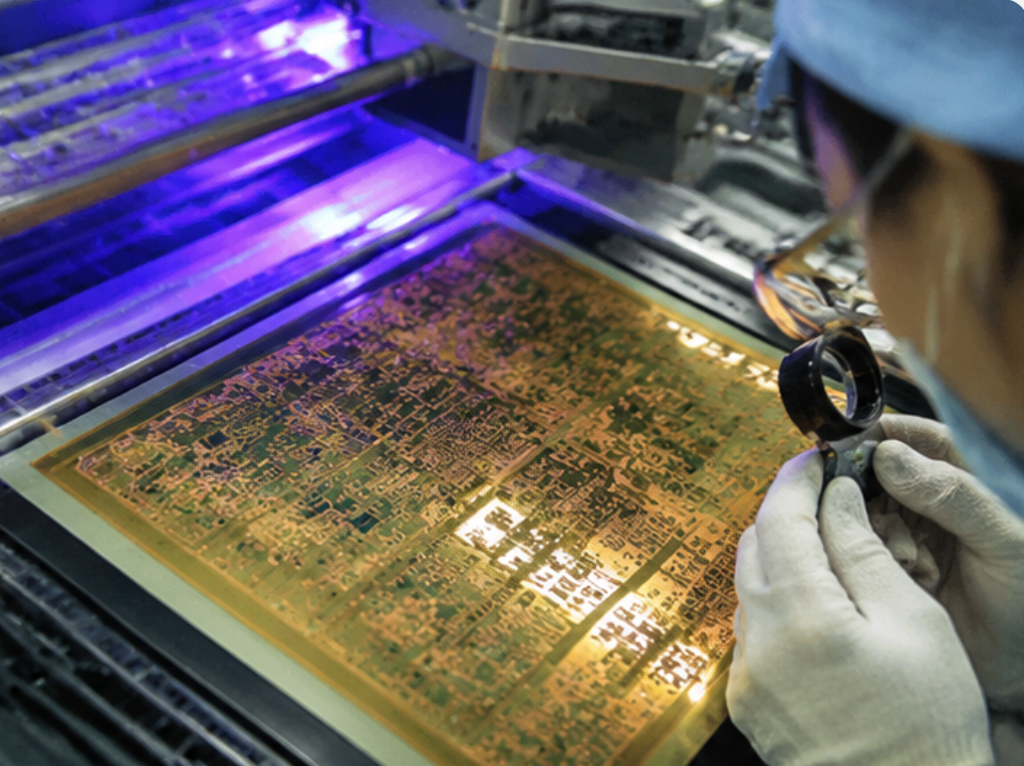
At NEWEI, our procurement team works hand-in-hand with our engineering department. When a client needs a board for a ruggedized handheld device or a portable projector, we’re not just waiting for parts to arrive. We’re actively managing the supply chain, verifying the authenticity of components, and storing them in our anti-static, humidity-controlled warehouses. This proactive approach, combined with our PCB fabrication capabilities, ensures that your project moves from concept to PCBA without the typical delays.
Trend #3: Vertical Integration—From PCB to Full Product
The most successful electronics brands are moving away from managing a fragmented supply chain. They’re consolidating their vendor list and partnering with manufacturers that offer complete vertical integration. This is where the synergy between our services becomes a massive advantage. It’s not just about assembly; it’s about EMS electronic manufacturing that covers everything from the bare board to final box-build.
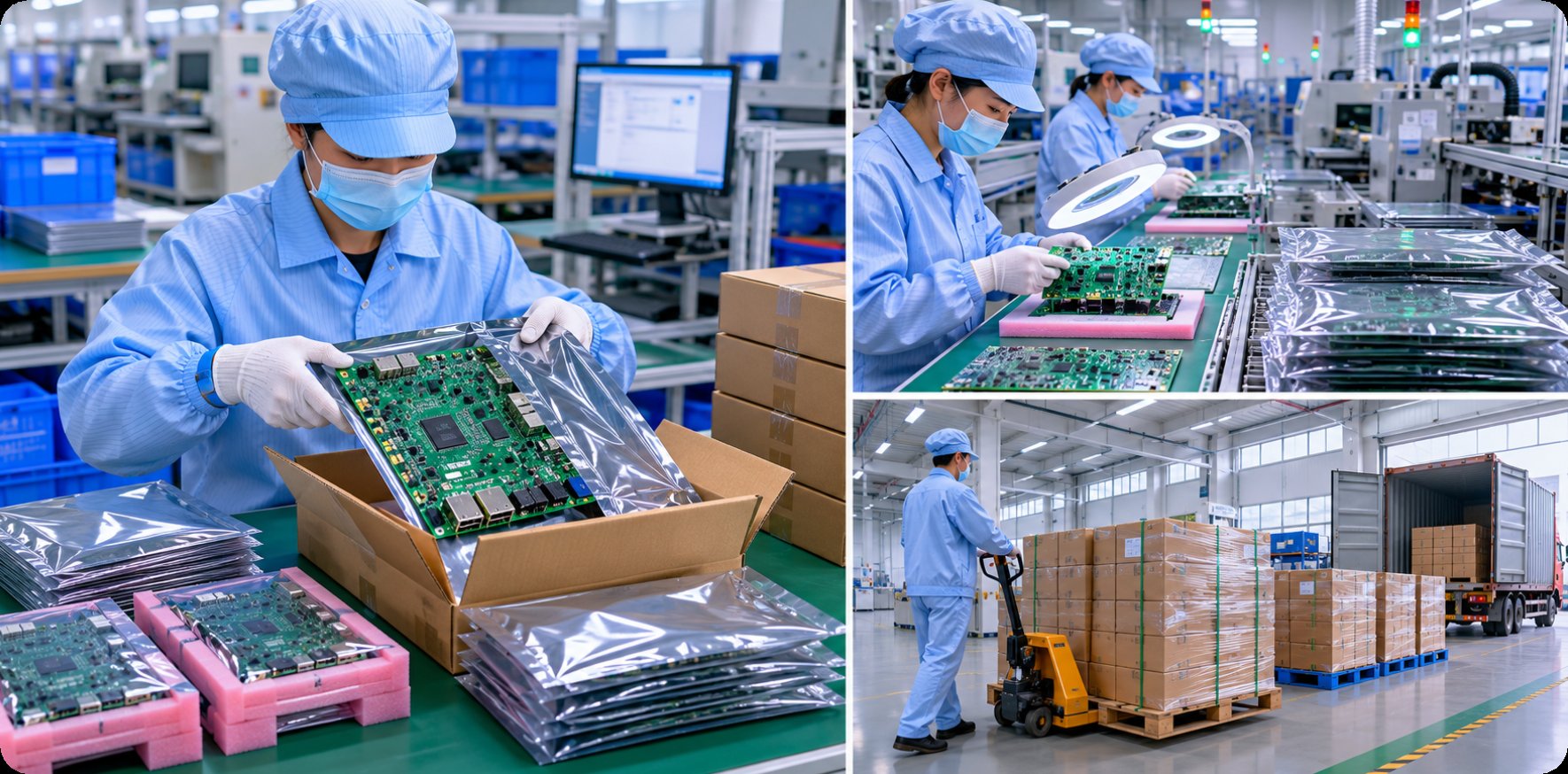
Let’s look at a practical example. Suppose you're developing a new smart wearable. You need a flexible, compact PCB assembly that can withstand daily wear and tear. This is where we combine our custom smart wearable PCBA ODM expertise with our advanced SMT line to produce a board that fits the form factor. But we don't stop there. To ensure the product survives the real world, we apply our PCBA three-proofing paint services, adding a protective layer against moisture, dust, and corrosion. Then, we move to final product assembly, delivering a finished, testable unit.
This model is a game-changer. It minimizes communication errors, reduces shipping costs, and accelerates time-to-market. When you can have your PCB fabrication, assembly, testing, and coating done under one roof, you have complete control over quality and schedule.
Combining Core Products with Integrated Services
To illustrate how this works in practice, consider two of our most popular product lines: Industrial Motherboards and Rugged Tablets. Neither of these can be built successfully without a deep understanding of the entire manufacturing ecosystem.
Core Capability Comparison: SMT Assembly vs. PCB Fabrication vs. PCB Assembly
| Capability | SMT Assembly | PCB Fabrication | PCB Assembly (PCBA) |
|---|---|---|---|
| Core Function | Component placement & reflow soldering | Bare board layer build-up & etching | Full board population & testing |
| Key Advantage | High speed, high density mounting | Multi-layer stack-up & impedance control | Turnkey from BOM to finished board |
| Typical Output | Placed & soldered component layer | Bare printed circuit board | Tested, ready-to-integrate PCBA |
Industrial Motherboards: These are the backbone of automation and edge computing. They require high layer-count PCBs and precise BGA soldering. Our custom industrial PC PCBA ODM service leverages our high-precision SMT lines to handle complex ICs, like the FT-J6413-V1.1 Industrial Edge Gateway Board. We follow that up with rigorous in-circuit testing to ensure signal integrity and reliability in harsh environments. The integration of our aging test services ensures that these boards work—and keep working—under extended load conditions, a critical requirement for industrial applications.
Rugged Tablets: For a device that needs to survive drops, extreme temperatures, and water exposure, the PCBA is only half the battle. The assembly process must be flawless to fit into a sealed chassis. We combine our standard SMT assembly with DIP assembly for through-hole components that need extra mechanical strength. The final step is the three-proofing paint, which we apply to protect the sensitive circuitry from the elements. This is the perfect example of how multiple services—PCB assembly, DIP, and coating—come together to create a single, robust solution.
Real-World Applications Driving Demand
The convergence of these trends is creating new opportunities across multiple sectors. Here are a few scenarios where our integrated approach is making a significant impact:
Smart Healthcare: The development of portable medical devices, like the Smart Medical Motherboard FT-C4435U, requires extreme precision and reliability. Our medical-grade assembly processes ensure these life-saving devices function flawlessly.
Automotive Electronics: As vehicles become computers on wheels, the demand for high-reliability PCBs for engine control units and infotainment systems is soaring. Our automotive electronics PCBA services are designed to meet the stringent AEC-Q100 standards, ensuring performance in extreme temperatures and vibration.
Smart Home Ecosystems: From smart speakers to intelligent lighting controls, the smart home market thrives on innovation. Our smart home products PCB assembly services help brands launch differentiated products quickly, like a smart electric toothbrush PCBA board that integrates sensors and wireless charging in a tiny form factor.
Industrial IoT (IIoT): The backbone of Industry 4.0, IIoT devices require durable connectivity. Our work on industrial communication motherboards and edge gateways, like the OMW-4210A-1L2C2E/LV Industrial Communication Motherboard, ensures reliable data transfer in factory floors and remote locations.
Consumer Electronics: Even in high-volume consumer goods like portable speakers and Bluetooth headsets, the pressure to innovate is intense. Our ability to quickly move from prototype to mass production with products like the Bluetooth headset PCBA board allows brands to capture market share with confidence.
Each of these scenarios demands a partner that understands the nuances of their specific industry. At NEWEI, we don’t just build boards; we build solutions that empower innovation across the entire electronics landscape.
Engineering Collaboration is the Ultimate Advantage
While machinery and processes are critical, the human element remains the true differentiator. The best SMT assembly partners act as an extension of your engineering team. They offer design for manufacturability (DFM) feedback, suggest alternative components, and proactively flag potential issues before they become costly problems.
This is why we emphasize a consultative approach. When you work with us, you're not just getting a supplier; you're getting a team of engineers who are invested in your product's success. We’ll review your Gerber files, scrutinize your BOM, and help you optimize your design for cost and reliability. This partnership is essential for navigating the complexities of modern PCB assembly. It’s how we achieve that 99.99% yield rate and how we ensure your product launch goes off without a hitch.
As you plan your next product iteration, I encourage you to look beyond the unit price of a PCB. Consider the total cost of ownership, the risk of delays, and the value of a partner who brings deep technical expertise to the table. The future of electronics manufacturing belongs to those who embrace collaboration, transparency, and technological excellence.
If you’re ready to see how a truly integrated manufacturing partner can transform your supply chain, learn more about our manufacturing capabilities and let's start a conversation about your next project.
Tags: NEWEI / PCB Assembly / Industry 4 0 /