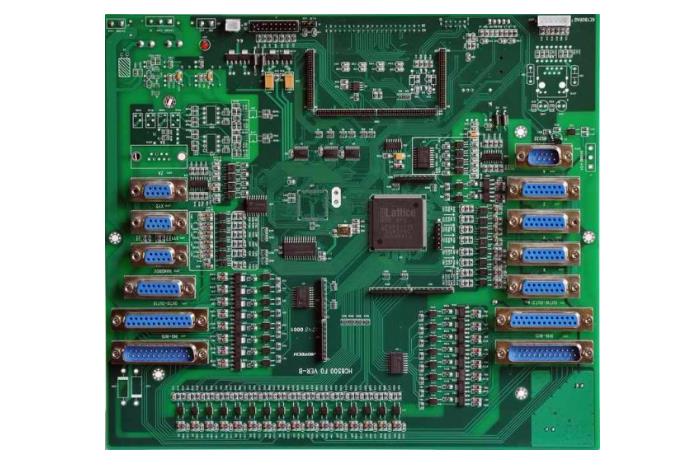

NEWEI PCBA SMT PCB Manufacturing Maintenance Care Guide
Walk onto any PCB Manufacturing floor that runs at peak efficiency, and you will notice the same pattern: no chaos, no last-minute fire drills, just a steady rhythm where boards move from fabrication through assembly without a hitch. That level of control comes from understanding how Custom PCB Assembly Services integrate with your existing lines. This walkthrough maps out a real deployment—from bare board creation to finished, tested product—so you can apply the same principles to your own facility. Whether you are launching a new line or upgrading an older one, the focus stays on repeatable quality, minimal downtime, and measurable gains that show up on your bottom line.
Starting a professional PCB Manufacturing implementation means first taking a hard look at where you currently stand. Every successful project I have been involved with began with a deep audit of the existing process flow—mapping every step from material intake through lamination, etching, drilling, and finally assembly. The goal is to pinpoint the exact stages where throughput stalls or quality drifts. For instance, if your etching line cannot hold ±10% impedance tolerance, you will never get consistent high-frequency performance regardless of how good your pick-and-place machine is. By aligning your facility's capabilities with the requirements of modern PCB Fabrication, you can phase in upgrades without losing production days. I have seen teams replace aging lamination presses over a single weekend by pre-staging everything and running parallel validation batches the following week.
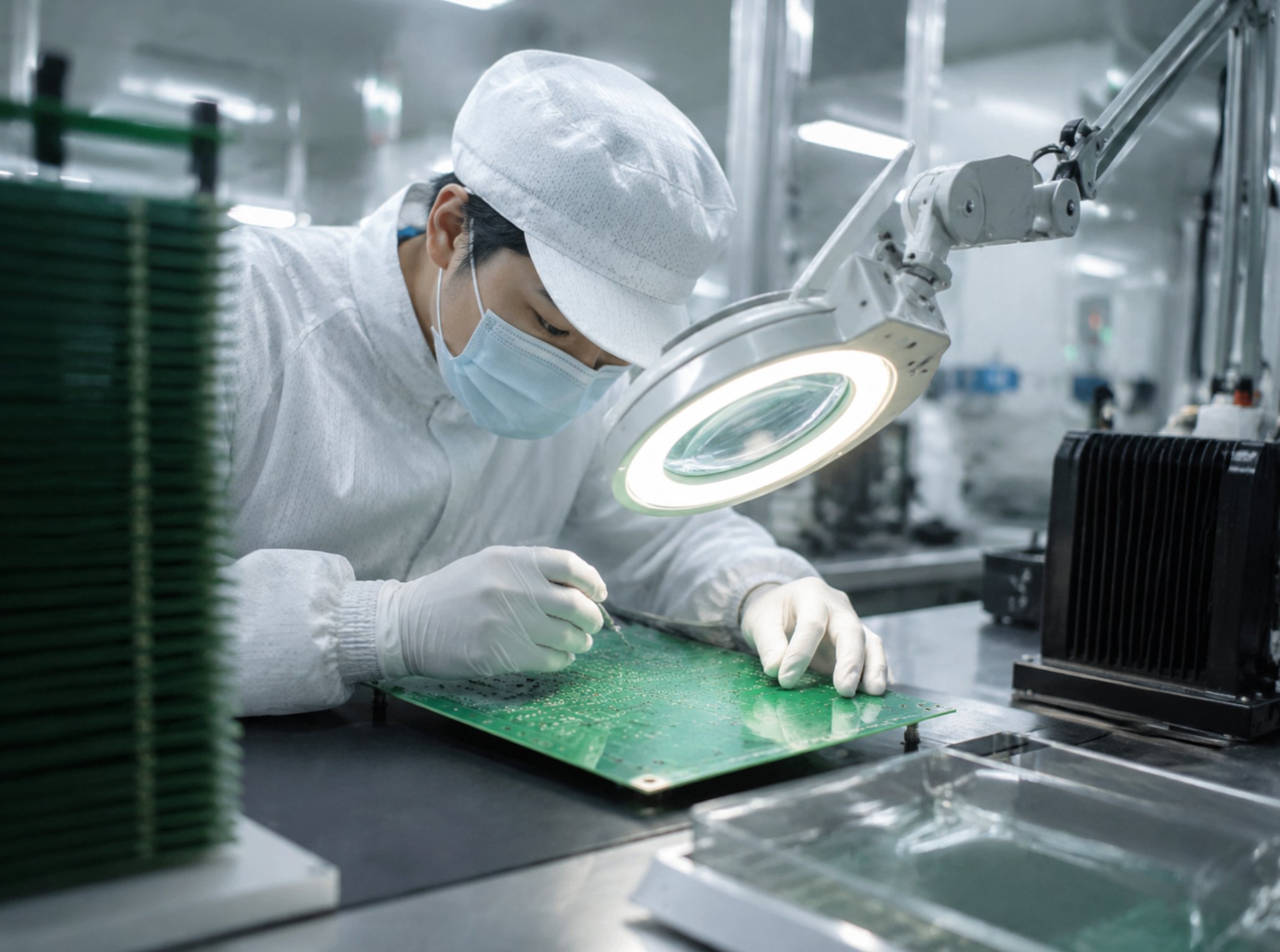
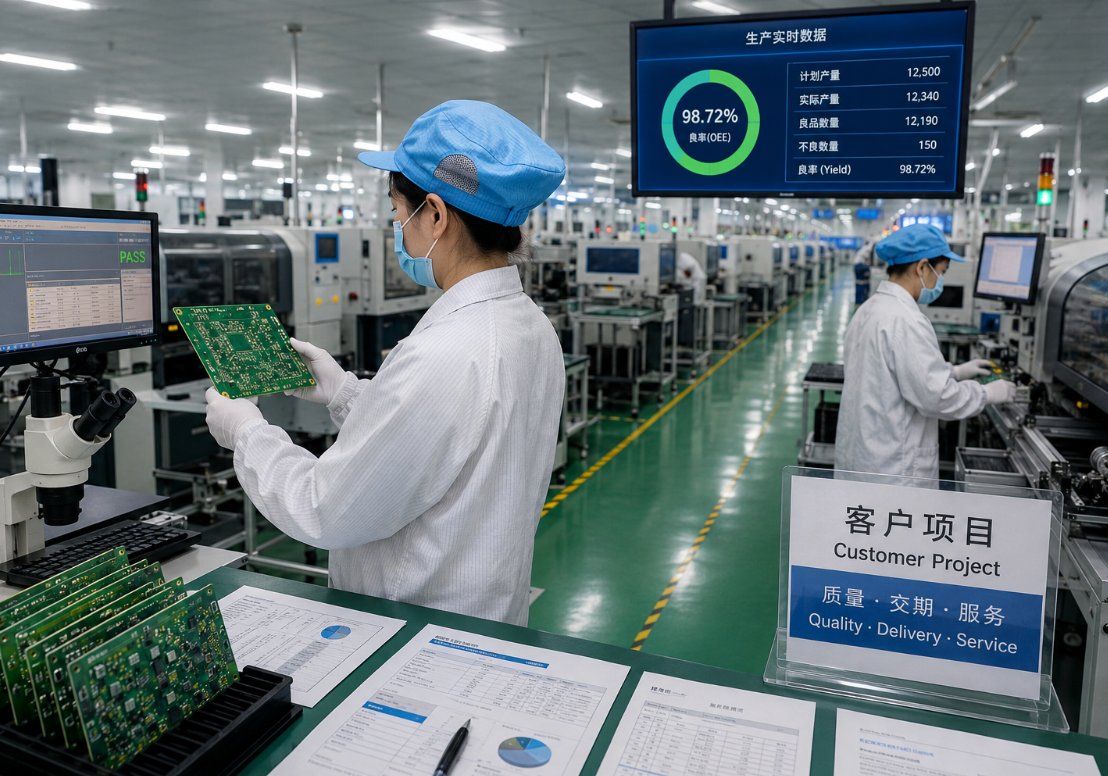
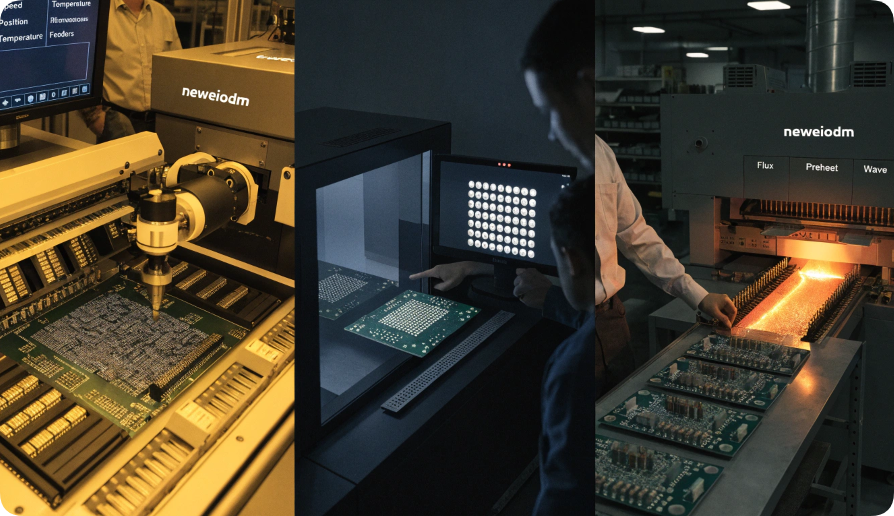
Once the fabrication baseline is locked in, the real work shifts to the assembly side. This is where PCB Assembly (PCBA) and SMT Assembly determine whether your boards perform as designed. A smart deployment strategy starts with a single pilot line running one product variant. That lets your operators dial in solder paste volume, stencil alignment, pick-and-place accuracy, and reflow profile without risking a warehouse full of scrapped boards. I have watched teams cut defect rates by over 30% in the first two weeks simply because automated placement eliminated the variability of hand soldering. The switch from manual to automated surface-mount technology is often the single biggest leap in quality your facility will make. During this phase, invest heavily in operator training—not just button-pushing, but understanding how to read solder paste inspection data and adjust profiles on the fly. The best techs can spot a tombstoning issue before it becomes a batch failure.
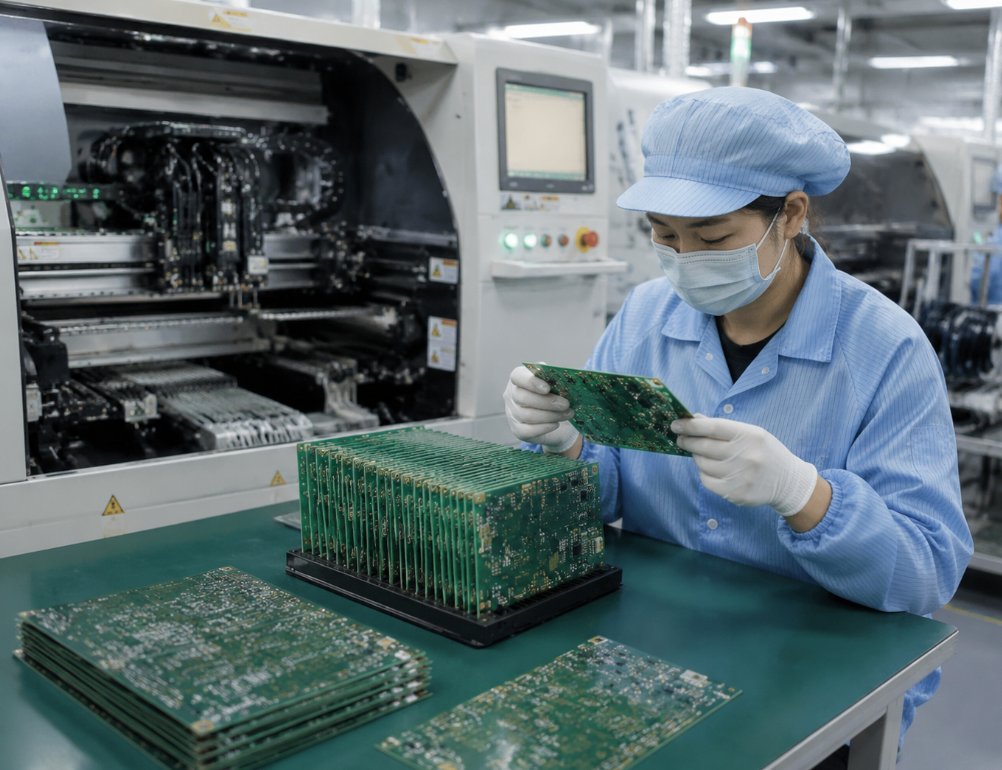
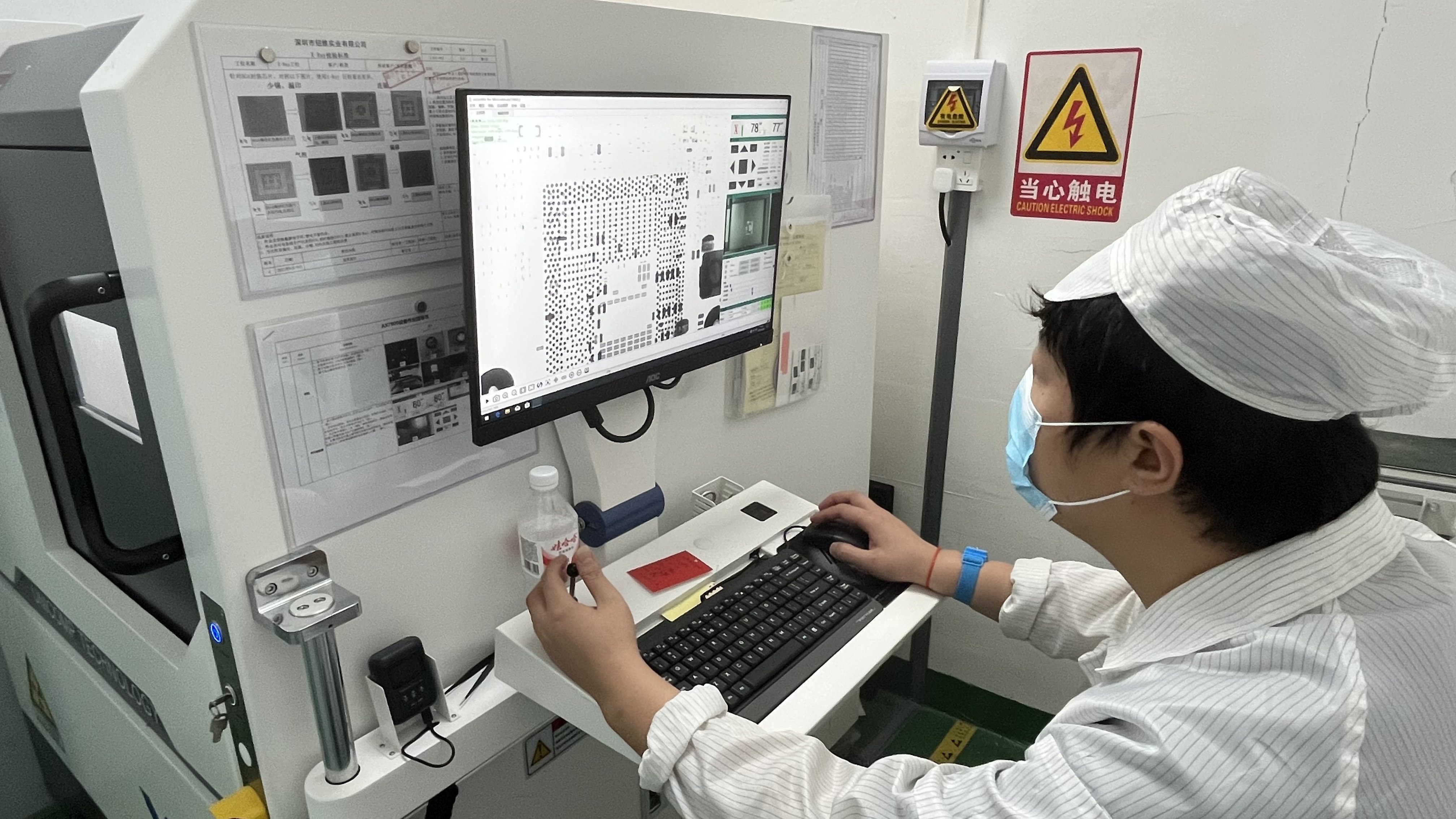
The final integration step ties the assembly line back to fabrication output and the quality assurance loop. Many manufacturers choose to leverage electronics manufacturing services to fill gaps in expertise or capacity during this ramp-up. A good partner brings practical know-how—like how to program pick-and-place machines for optimal component orientation, or how to design stencils that minimize solder bridging on fine-pitch parts. The walkthrough continues with regular cross-functional reviews where fabrication engineers share real-time substrate data with the assembly team. If board thickness varies by 5% across a panel, the assembly team can compensate by adjusting squeegee pressure or reflow ramp rate. Over three to six months, these feedback loops stabilize your entire production floor around a new, higher performance baseline. I have seen facilities go from 80% first-pass yield to over 96% within a single quarter using this approach.
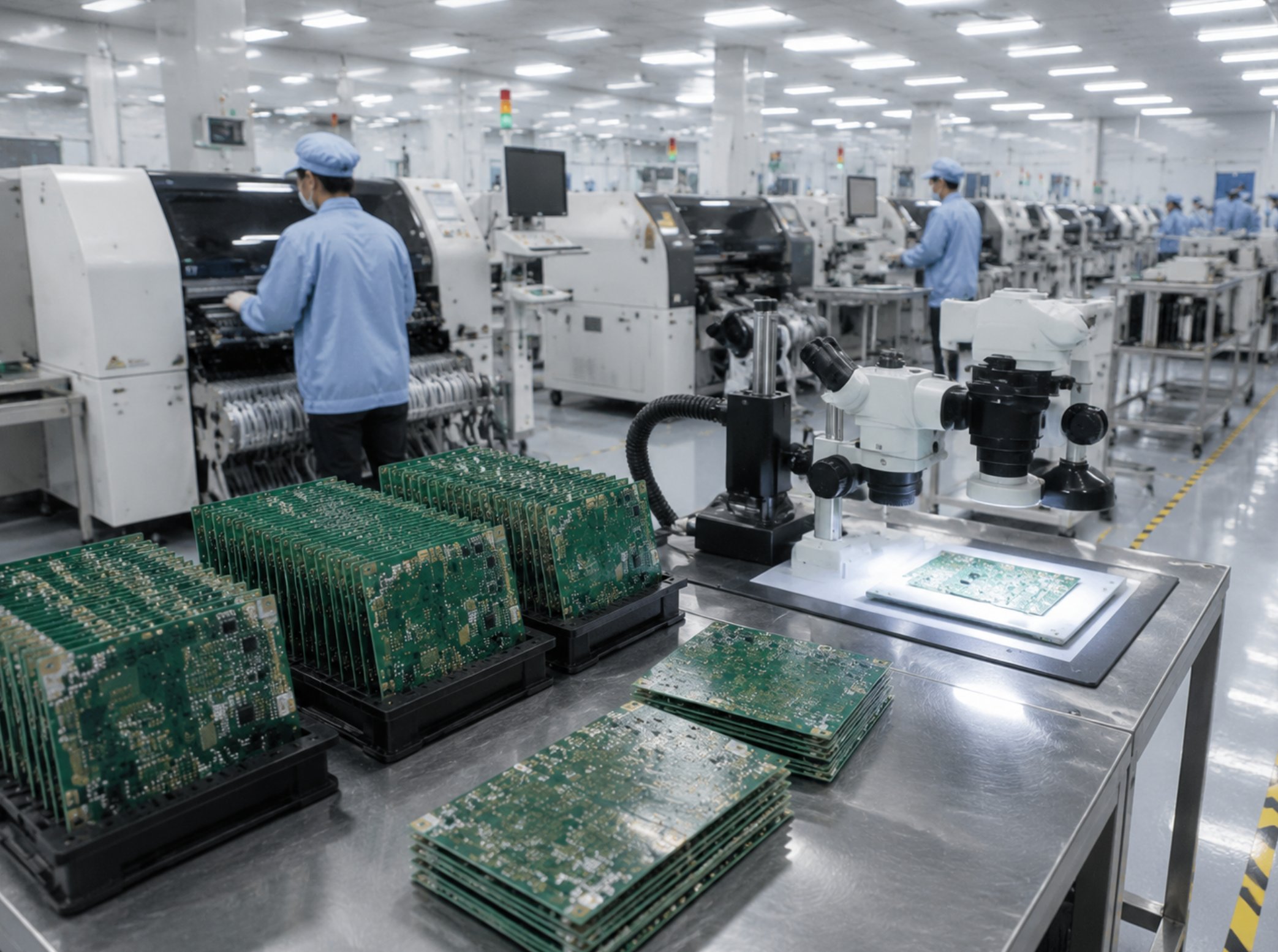
Organizations that implement PCB Fabrication, PCB Assembly (PCBA) and SMT Assembly in PCB Manufacturing achieve three concrete outcomes. First, they produce consistently high-quality boards that virtually eliminate rework and field failures. One client I worked with saw their customer complaint rate drop to zero for six straight months after the integration. Second, operations become streamlined enough that engineers can focus on design improvements rather than firefighting production emergencies. Third, a professional, well-documented manufacturing environment attracts higher-tier clients and makes regulatory certifications like ISO 13485 or AS9100 much easier to obtain and maintain. These benefits compound as data from each process step feeds continuous improvement—every defect gets analyzed, every setup gets optimized.
A mid-volume manufacturer in the automotive sensor space recently deployed PCB Fabrication, PCB Assembly (PCBA) and SMT Assembly as a unified solution across their main production hall. Within three months, they reported a 40% reduction in changeover time between product runs, zero quality complaints from their largest OEM customer, and a workforce that shifted their energy from manual inspection to process optimization. The key was a phased walkthrough that included two weeks of dedicated training and a one-month parallel run where the old and new lines operated side by side. This allowed operators to build confidence on the new equipment without pressure. The takeaway is straightforward: with proper planning and a willingness to invest in your people, the transition can be rapid and virtually risk-free.
Frequently Asked Questions about deploying these systems often center on practical concerns. Do we need a dedicated engineering team to run the new equipment? Modern PCB Fabrication and assembly platforms are designed with modularity in mind—intuitive touch interfaces, recipe-based changeovers that take minutes, and built-in diagnostics that walk operators through common faults. Most vendors provide remote support so issues get resolved in real time. Can we run multiple product variants on the same line simultaneously? Yes, but it requires careful setup of feeder banks and solder paste management. The best approach is to group variants by board size and component density to minimize changeover frequency. What happens if a machine goes down mid-shift? Having a spare print head or feeder cart on hand, plus cross-trained operators, keeps downtime under 15 minutes in most cases. For a deeper look at how to structure your deployment, learn more about our manufacturing capabilities.
| Model | Description | URL |
|---|---|---|
| PCB Fabrication | Bare board creation including lamination, etching, drilling | https://www.neweiodm.com/pcb_manufacturing/ |
| PCB Assembly (PCBA) | Component placement and soldering onto fabricated boards | https://www.neweiodm.com/ |
| SMT Assembly | Surface-mount technology line for high-density components | https://www.neweiodm.com/smt_assembly/ |
Tags: PCBA /SMT /NEWEI /maintenance /PCB manufacturing /care /equipment /
Prev: NEWEI SMT PCBA PCB DIP Assembly Troubleshooting FAQ Guide
Next: NEWEI PCB SMT PCBA ESD Protection Troubleshooting FAQ Guide