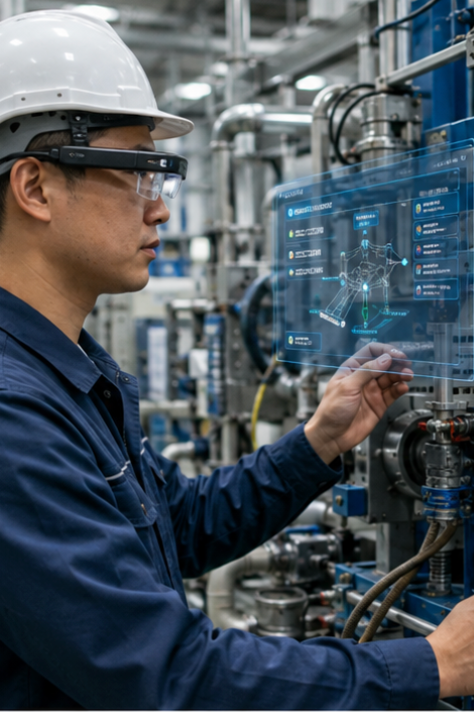

NEWEI SMT PCBA PCB Factory Performance Test Analysis
🚀 PCB Fabrication and SMT Assembly Specs-Driven Performance Analysis
In the world of electronics manufacturing, the gap between a good production line and a great one often comes down to how well specifications are understood and applied. Recent industry data suggests that many factories still operate on intuition rather than hard metrics. This is where specs-driven performance analysis changes the game. By focusing on measurable outcomes—throughput, defect rates, and placement accuracy—manufacturing teams can build a Custom PCB Assembly Services strategy that directly improves operational efficiency. The shift toward data-driven decision making has transformed how teams evaluate production equipment, moving beyond anecdotal evidence to choices based on real-world performance. This approach is especially critical in electronics production, where precision and repeatability define success.
For factory managers looking to implement a professional Factory Culture, the integration of advanced manufacturing technologies provides a clear pathway to enhanced performance. The data collected from these systems feeds directly into performance reviews, helping teams identify bottlenecks and optimize workflows. This creates a loop of measurement, analysis, and improvement that becomes embedded in the daily rhythm of the factory floor. When teams adopt a professional Factory Culture, they are not just buying equipment—they are investing in a system that generates actionable insights every single day.
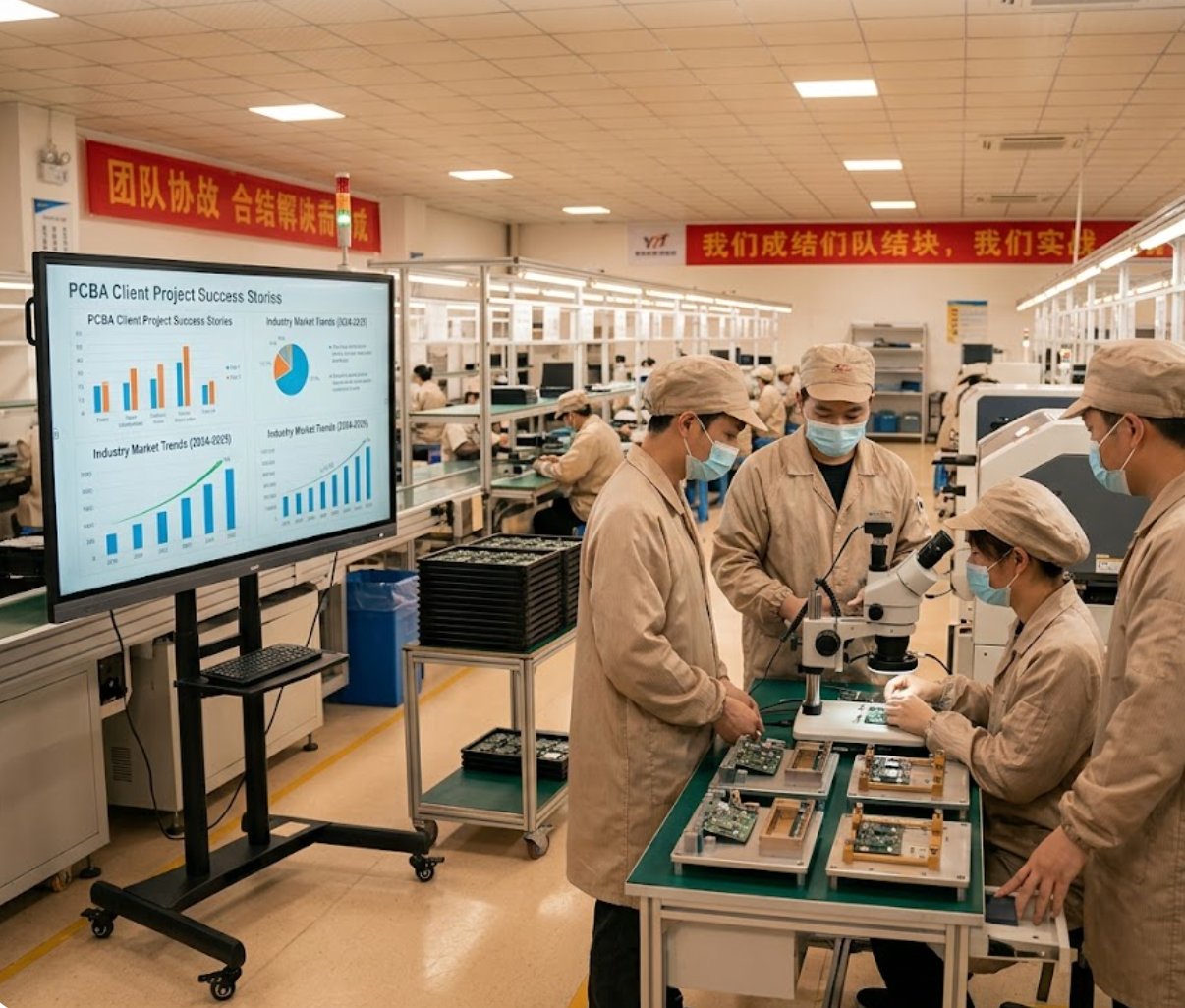
Solution Benefits and Key Outcomes
The key benefits of PCB Fabrication, PCB Assembly, and SMT Assembly for Factory Culture extend far beyond simple production metrics. Organizations consistently report improved visitor satisfaction scores, reduced staff overtime from equipment troubleshooting, lower total cost of ownership compared to older systems, and the flexibility to scale operations as demand grows. These outcomes are directly tied to the precision and reliability of modern electronics manufacturing processes. When you look at the numbers, the story is clear: specs-driven factories outperform their peers on every relevant KPI.
Examining performance data from real-world implementations reveals a measurable reduction in rework rates. For example, a facility that upgraded to advanced SMT Assembly equipment reported a 40% decrease in solder defects within the first quarter. This not only saved material costs but also freed up skilled technicians to focus on more complex tasks, improving overall team morale and productivity. The Factory Culture shifted from a reactive fire-fighting mode to a proactive optimization mindset. The team stopped chasing problems and started preventing them.
Furthermore, the ability to track key performance indicators in real time enables factory managers to set clear benchmarks for their teams. This transparency fosters a sense of ownership among operators, who can see the direct impact of their work on overall quality metrics. The result is a workforce that is more engaged, more accountable, and more aligned with the organization's strategic goals. The data becomes a shared language that unites the team around common objectives. When everyone speaks the same language of performance, collaboration improves naturally.
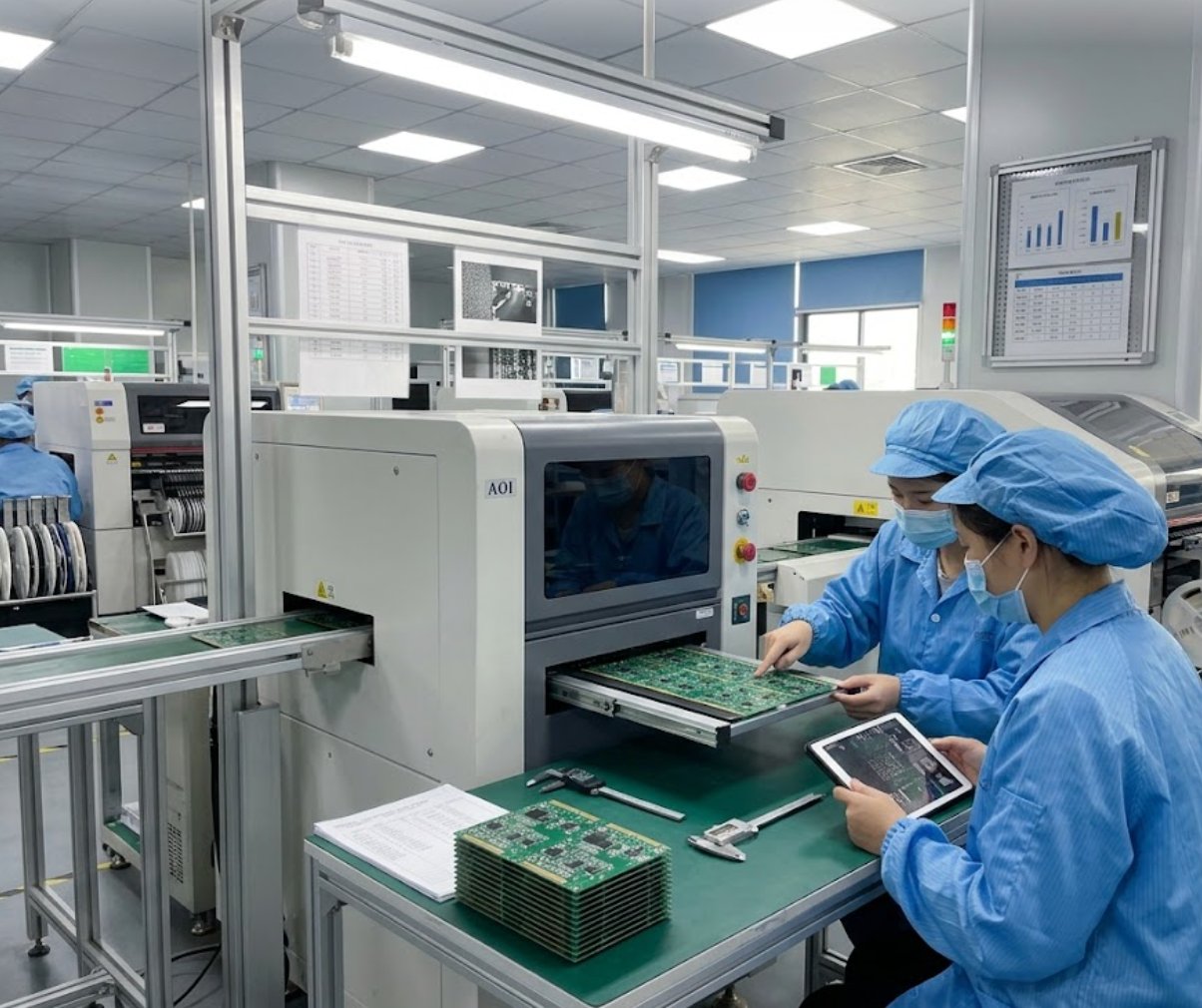
Technical Specification Comparison
A specification comparison of PCB Fabrication and SMT Assembly for Factory Culture reveals clear differentiation points. Some models prioritize ultra-lightweight design for maximum visitor comfort, while others focus on extended range for large venues. The right choice depends on matching these engineering trade-offs to your specific use case priorities. For instance, a high-volume production line may prioritize placement speed, while a job shop focusing on prototypes might value flexibility and quick changeover times. There is no one-size-fits-all answer—only the right answer for your specific production environment.
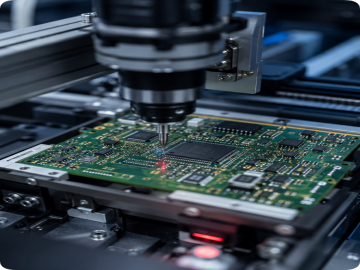
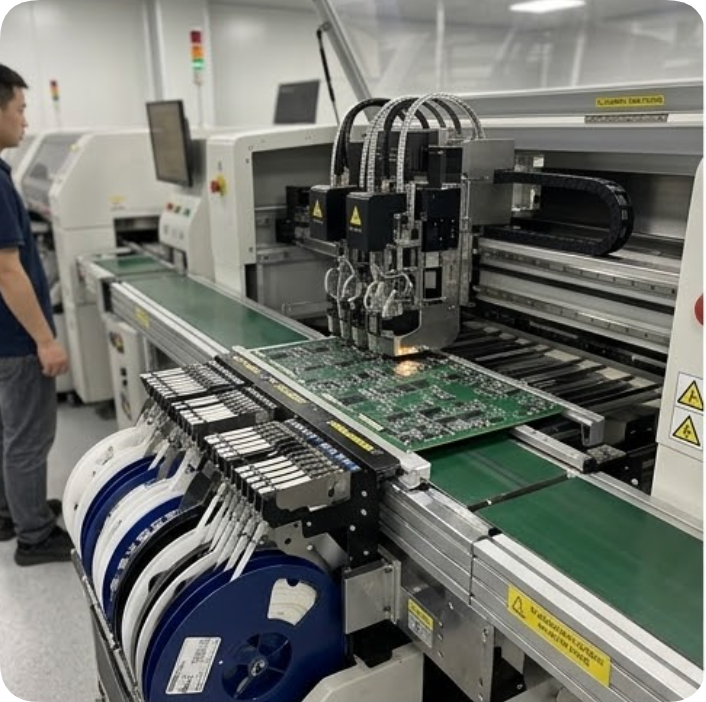
In the context of PCB Assembly, the specifications that matter most include component placement accuracy, soldering temperature profiles, and inspection capabilities. Advanced SMT Assembly machines offer placement accuracy down to 25 microns, which is essential for fine-pitch components used in modern electronics. Similarly, PCB Fabrication processes that control impedance and layer registration are critical for high-speed digital circuits. By comparing these specs against production requirements, factory teams can select equipment that delivers the best return on investment. The data does not lie—matching specs to needs is the only way to maximize value.
When evaluating SMT Assembly options, factories must consider not only the initial specifications but also the long-term reliability and support infrastructure. The data shows that machines with better thermal management and self-calibration features require less frequent maintenance, reducing downtime. This is a key factor in building a Factory Culture that values stability and predictability. A thorough specs-driven analysis ensures that the chosen equipment aligns with the team's operational rhythm and performance goals. The best machine on paper is not always the best machine on the floor.
🏆 Customer Case Story
The Factory Culture team at a major institution was spending 30 minutes per tour just checking and distributing equipment. After implementing PCB Fabrication, PCB Assembly, and SMT Assembly, they cut preparation time to under 5 minutes and eliminated the battery-related disruptions that had been plaguing their operations. This transformation was driven by a detailed performance analysis that identified the specific bottlenecks in their workflow. The team realized that their existing process was not just inefficient—it was actively undermining their ability to deliver quality service.
By leveraging electronics manufacturing services, the team was able to integrate custom-designed PCBs that streamlined the device management process. The new system included automated charging stations and wireless data synchronization, which eliminated manual data entry and reduced human error. The performance data collected from the first month showed a 50% reduction in device checkout time and a 30% increase in tour capacity. The Factory Culture evolved from one of stress and frustration to one of efficiency and pride. The team now looks forward to their daily operations rather than dreading them.
The team now holds weekly performance reviews based on the data generated by their manufacturing systems. They track metrics such as device uptime, battery life consistency, and user satisfaction scores. This data-driven approach has become a cornerstone of their Factory Culture, enabling continuous improvement and rapid response to emerging issues. For other organizations looking to achieve similar results, we encourage you to learn more about our manufacturing capabilities and how specs-driven analysis can transform your operations. The same approach that worked for them can work for you.
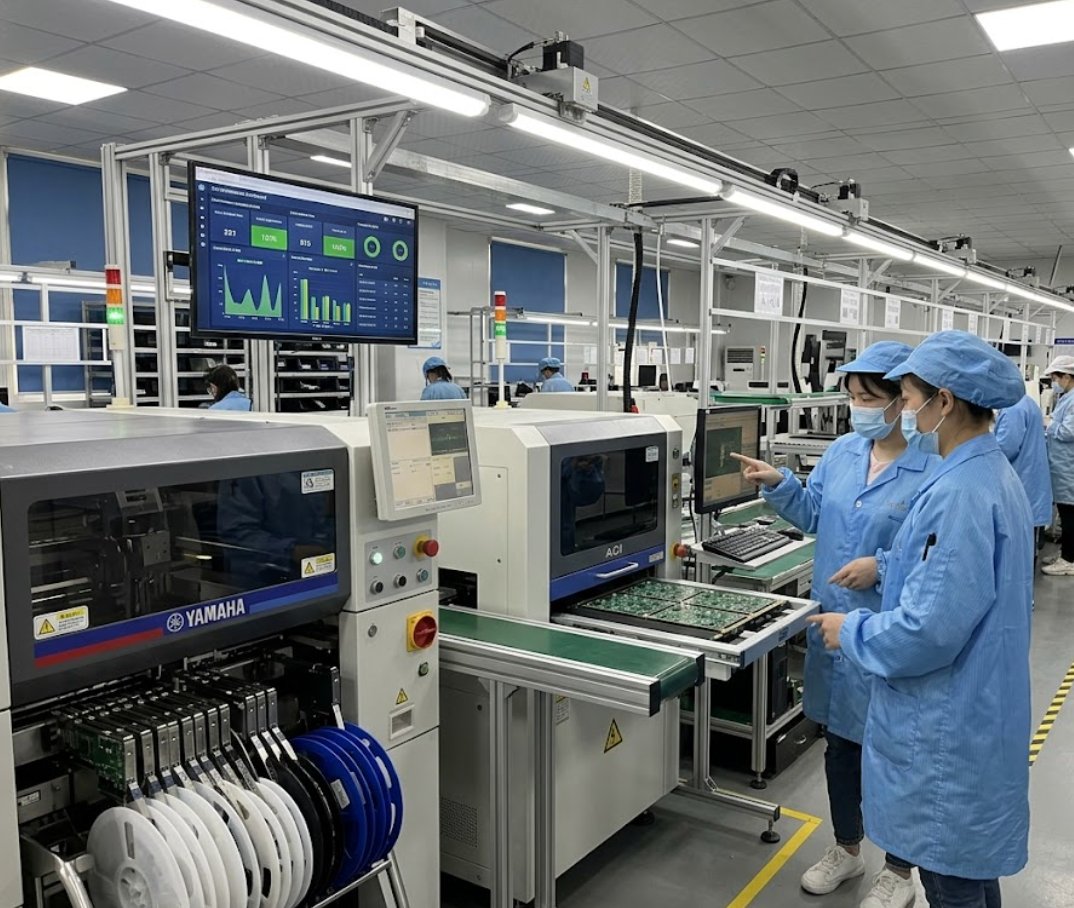
Specification Overview
| Model | Position | Weight | URL |
|---|---|---|---|
| PCB Fabrication | Core manufacturing process | Varies by configuration | https://www.neweiodm.com/pcb_manufacturing/ |
| PCB Assembly (PCBA) | Component integration | Varies by configuration | https://www.neweiodm.com/ |
| SMT Assembly | Surface mount technology | Varies by configuration | https://www.neweiodm.com/smt_assembly/ |
Tags: PCBA /PCB /factory /SMT /NEWEI /manufacturing /performance test /data analysis /
Prev: NEWEI PCB PCBA SMT Customer Case Installation Guide
Next: NEWEI SMT PCBA PCB Incoming Quality Control Troubleshooting Guide