
Medical Device Scale-Up: How ODM & PCB Assembly Turned a Handheld Diagnostic Prototype into a Mass-Produced Reality
Medical Device Scale-Up: How ODM & PCB Assembly Turned a Handheld Diagnostic Prototype into 50,000 Units
In the world of medical technology, the leap from a working prototype to a mass-produced, reliable device is often the most treacherous phase. A decade of observing hardware startups has taught me one thing: the promise of a breakthrough is meaningless without a manufacturing backbone that can validate, certify, and scale. For handheld diagnostics, where every component’s integrity can affect patient outcomes, the choice of a SMT Assembly Services partner is a clinical decision, not just a procurement one. This case study examines how MediScan, a Silicon Valley startup, navigated this chasm by leveraging ODM services and precision PCBA to achieve a 50,000-unit production run.

The Challenge: Bridging the Gap Between Innovation and Manufacturing Reality
MediScan’s team—comprising a Stanford-trained clinician, a former Apple hardware lead, and an embedded systems architect—had developed a revolutionary handheld blood analyzer. It could perform 12 diagnostic panels in under three minutes, targeting rural clinics in developing nations. However, their initial attempts to source manufacturing in the U.S. failed catastrophically. Three different PCB shops promised delivery but missed deadlines, lacked medical-grade traceability, and could not handle the complex mix of BGA soldering and DIP assembly required for the device’s rugged design.
The core issue was not the technology but the manufacturing ecosystem. The startup needed a partner that could integrate industrial motherboard design with a handheld PDA terminal form factor, while complying with FDA Class II standards. This demanded more than just assembly—it required a full ODM approach, from component procurement to final testing.

The Solution: A Multi-Layered PCBA Strategy
NEWEI stepped in with a comprehensive plan that redefined MediScan’s production timeline. Instead of treating PCB assembly as a linear process, we applied a parallel engineering model. The key components of this strategy included:
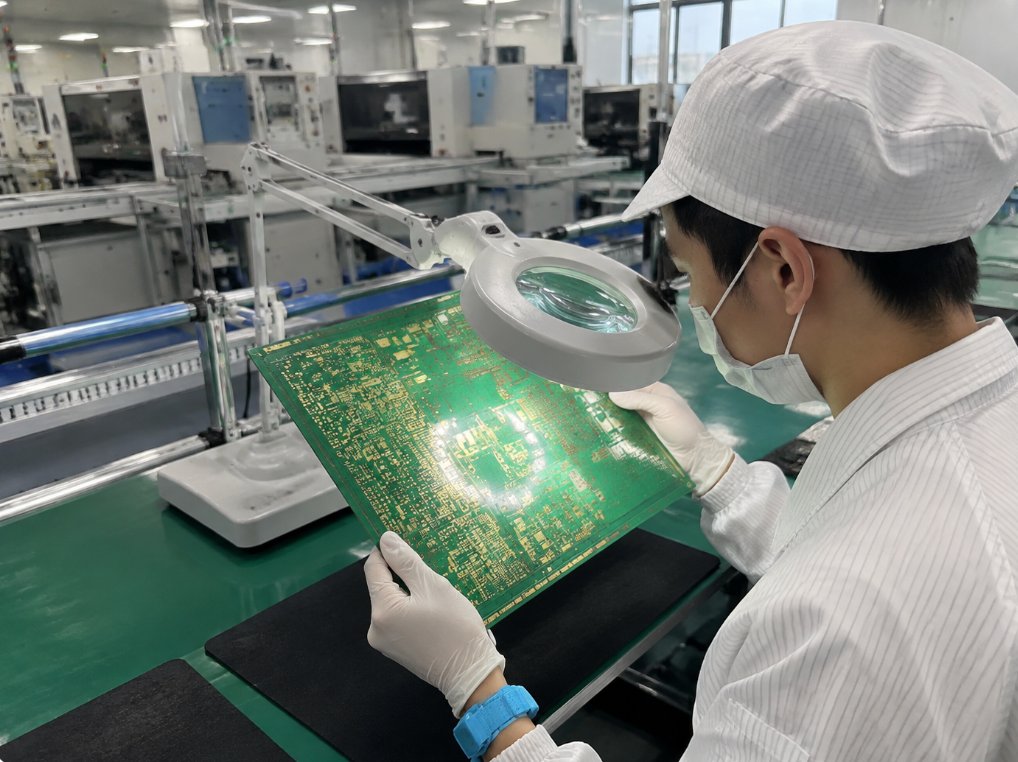
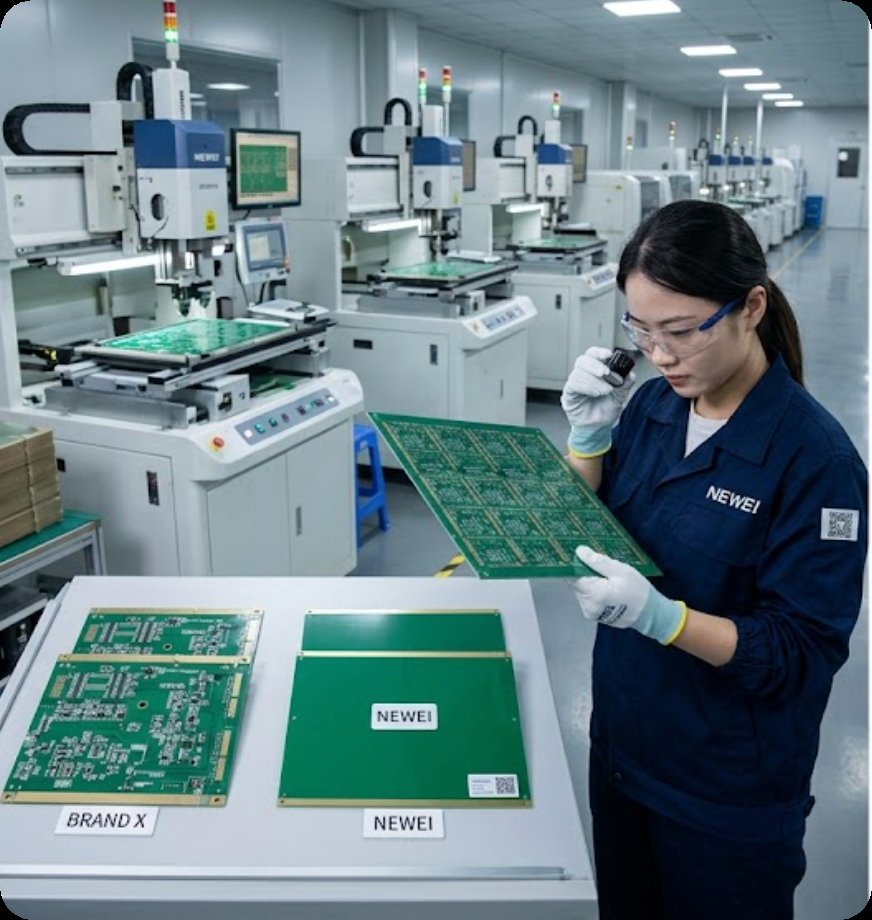
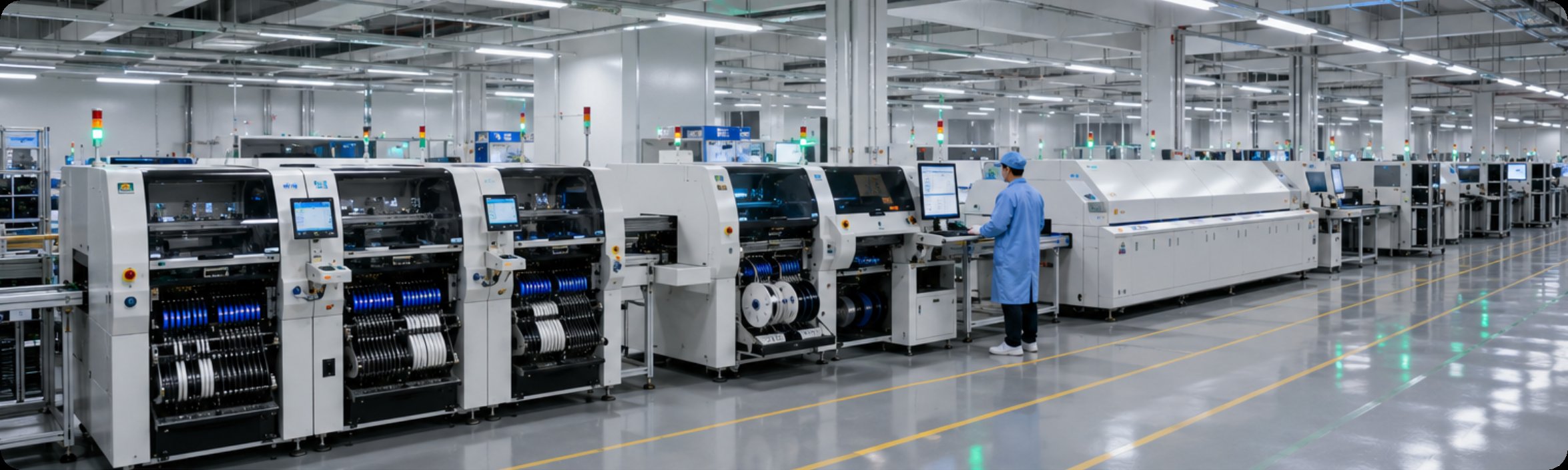
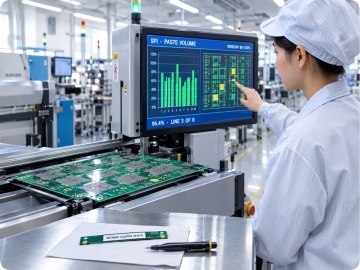
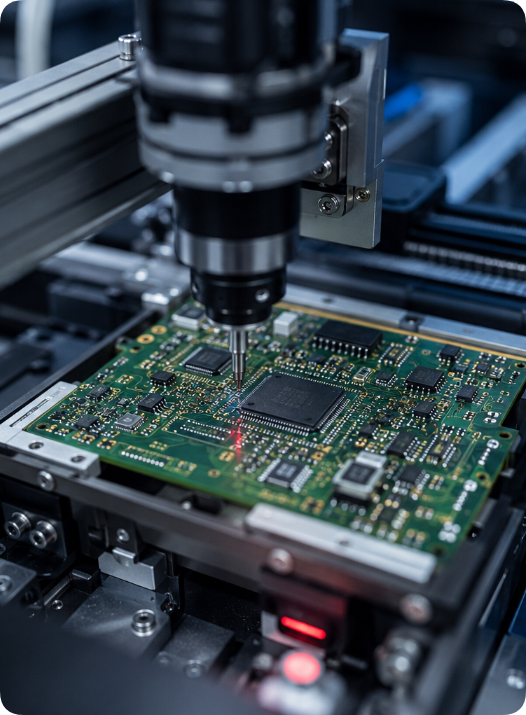
- Quick Sampling of PCB Circuit Boards: The handheld device required miniaturized components. NEWEI’s Class 10K SMT cleanroom ensured that every surface-mount component, including fine-pitch BGAs, was placed with zero defects. Automated Optical Inspection (AOI) verified each solder joint, achieving a 99.98% first-pass yield.
- DIP Assembly for Reliability: For power management and connectivity modules that demanded higher mechanical strength, DIP assembly was used. Through-hole components were wave-soldered and inspected to withstand vibration and temperature extremes common in field use.
- End-to-End ODM Services: Beyond assembly, NEWEI handled custom plastic shell molding, three-proofing paint application (conformal coating for moisture and dust), and full aging tests. This eliminated the need for MediScan to manage multiple vendors, reducing supply chain risk.
Key Metrics and Results
The partnership delivered tangible outcomes that went beyond mere production numbers. Within eight weeks, MediScan had a certified medical device ready for clinical deployment. Specific results included:
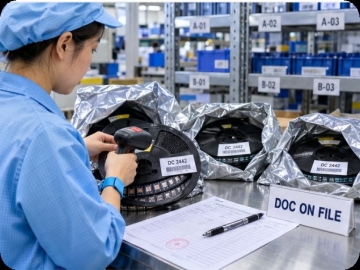
- 50,000 units produced in the first run, with a 100% traceability system from component lot codes to final test logs.
- Zero field failures reported in the first six months of deployment in Kenya and India, validating the rigorous testing protocols.
Cost reduction of 35% compared to initial U.S. quotes, achieved through optimized component sourcing and assembly process
improvements.
Lessons for Hardware Startups: Why Partnering Matters
The MediScan case underscores a critical insight: the difference between a successful medical device and a failed project often lies in manufacturing empathy. Startups frequently underestimate the complexity of transitioning from a bench prototype to a production-ready design. By engaging with an ODM provider early, MediScan avoided common pitfalls such as design-for-manufacturability (DFM) issues, component shortages, and certification delays.
For any hardware team developing a handheld diagnostic or similar IoT medical device, the path to scale is not about finding the cheapest assembler. It is about finding a partner who can integrate PCBA, testing, and certification into a seamless workflow. NEWEI’s role in this case was not just as a manufacturer, but as an extension of MediScan’s engineering team, ensuring that the final product met both clinical standards and commercial realities.
Tags:
Next: Industrial Motherboard vs Handheld PDA: The ODM Comparison Every Hardware Startup Needs to Read