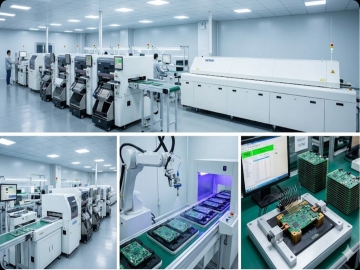

Why Precision SMT Assembly Is the Backbone of Industrial Motherboard, Rugged Tablet and Medical Device Manufacturing
Why Precision SMT Assembly Is the Backbone of Industrial Motherboard, Rugged Tablet & Handheld PDA Production
2026-06-06 08:57:46
After a decade of observing electronics manufacturing from the inside, I have come to a simple conclusion: the difference between a PCBA that fails in the field and one that runs reliably for years often comes down to how a factory treats its SMT process. It is not just about the machine specs or the component pricing—it is about whether the assembly floor has built a culture where every step, from paste application to reflow, is executed with unwavering consistency. For industrial motherboard, rugged tablet, and handheld PDA terminal projects, this culture is not a luxury; it is a necessity.
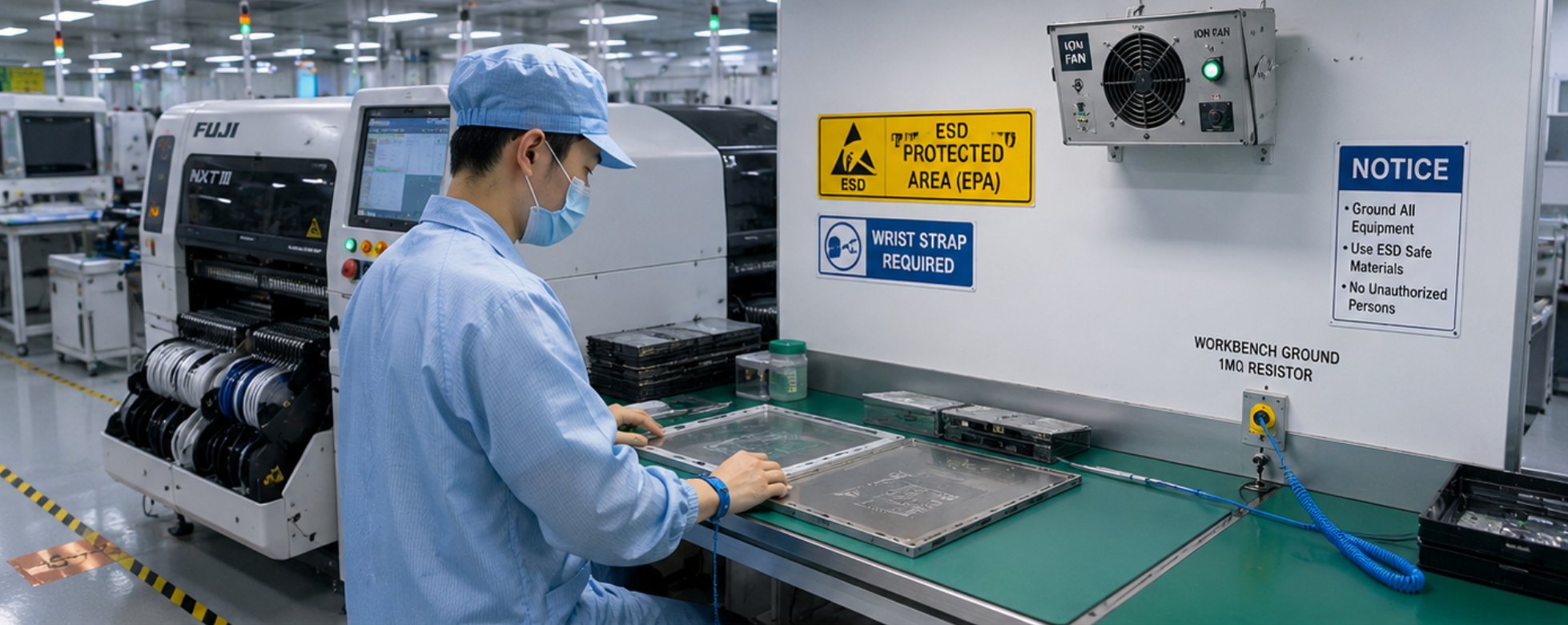
Many OEMs I speak with assume that high-quality PCBA is guaranteed by expensive equipment. While tools matter, they are only as good as the discipline behind them. A pick-and-place machine can place thousands of components per hour, but if the operator ignores a worn nozzle or a misaligned stencil, defects multiply silently. That is why I always advise clients to look beyond the datasheet and examine the human systems that drive the line. A provider of Custom PCB Assembly Services that prioritizes training, inspection rigor, and process ownership will consistently outperform one that relies solely on automation.
The Hidden Cost of Inconsistent SMT Practices
Let me share a real case. A few years ago, a client approached me after their rugged tablet batch suffered a 12% failure rate in thermal cycling tests. The root cause? Solder joints on BGA components had inconsistent voiding levels. The factory they used had a modern reflow oven and AOI, but the process parameters varied between shifts because operators were not following a standardized profile. This is a classic symptom of a culture gap—where SOPs exist on paper but are not enforced on the floor.
- Shift-to-shift variation accounts for nearly 30% of SMT defects in mid-tier assembly plants.
- Operator fatigue leads to missed visual checks on fine-pitch components.
- Lack of ownership means no one feels responsible for catching a paste misprint before it becomes a batch issue.
These are not machine problems; they are people problems. And the only way to solve them is by embedding precision into the daily workflow.
How a Culture of Verification Changes the Outcome
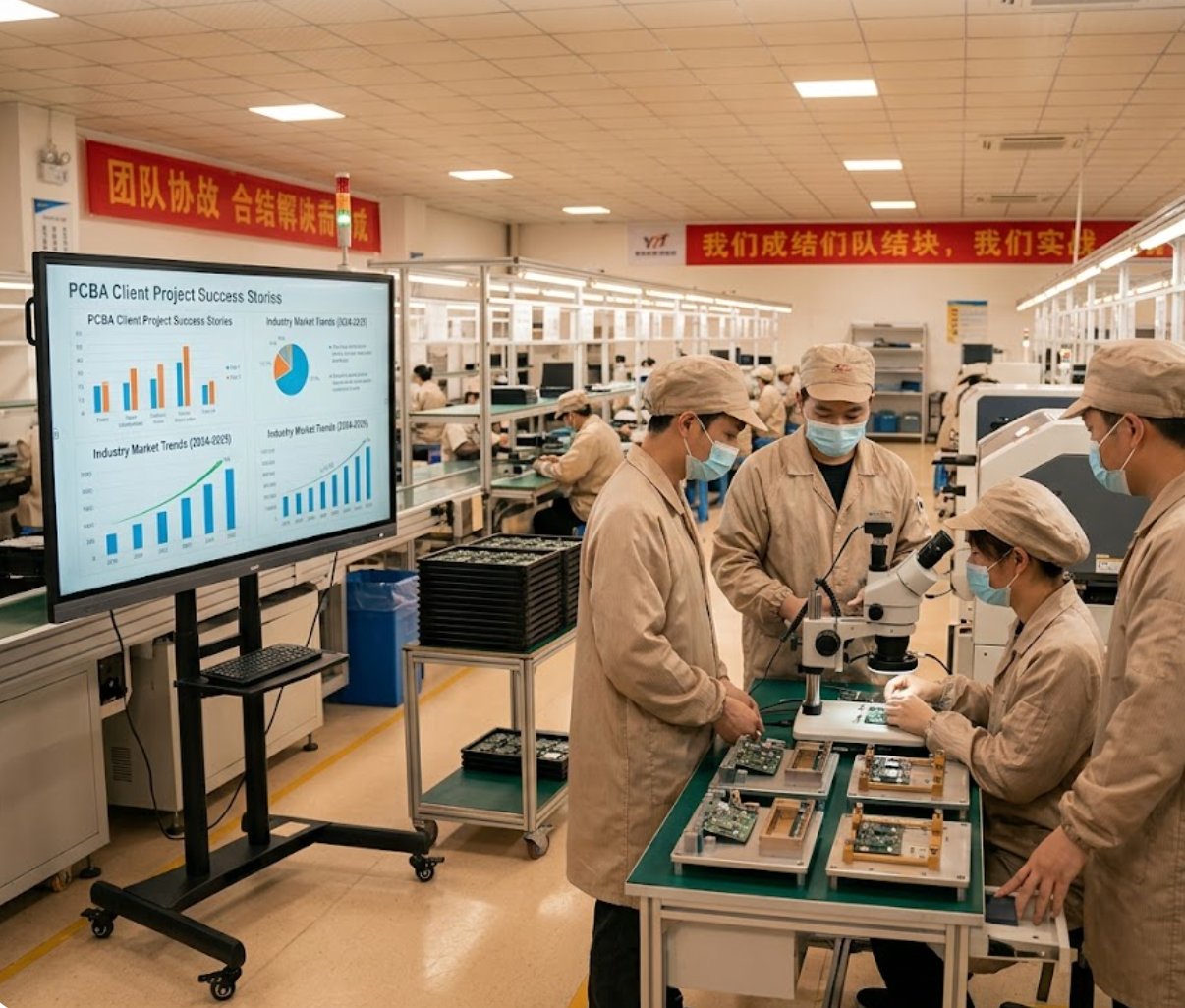
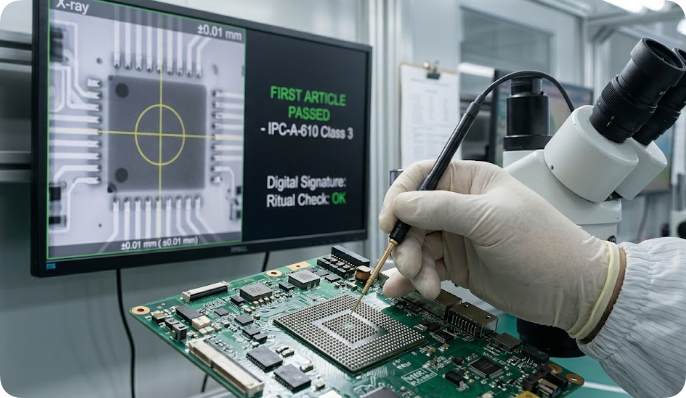
At NEWEI, the approach to SMT assembly is built on a simple premise: verify before you trust. This starts with a mandatory first-article inspection that is treated as a ritual rather than a formality. Every morning, before any industrial motherboard or handheld PDA terminal run begins, the shift supervisor personally examines the first board under magnification. This is not a quick glance—it involves checking solder paste alignment, component placement accuracy, and reflow quality against IPC-A-610 Class 3 standards.
What makes this practice effective is that it forces the entire line to pause and confirm readiness. If the first board shows even a minor misalignment, the line stops until the root cause is identified and corrected. This prevents a small error from scaling into a costly rework cycle. Over time, this habit creates a collective mindset where every operator knows that quality is non-negotiable.
Training as a Competitive Advantage
Another dimension of this culture is continuous training. Many factories train operators once during onboarding and then assume they will maintain skill levels indefinitely. That assumption is flawed. In a high-mix environment where board designs change weekly, operators need refreshers on new package types, stencil designs, and soldering profiles.
NEWEI invests in monthly IPC-A-610 recertification sessions and hands-on workshops for all SMT line staff. This is not common among mid-tier assemblers, but it pays dividends. When a rugged tablet requires a dense BGA array with 0.4mm pitch, the operator knows exactly how to adjust paste volume and reflow ramp rate to minimize voids. The result is a first-pass yield that consistently exceeds 98%, even for complex boards.
Why This Matters for Industrial and Rugged Devices

Industrial motherboards, rugged tablets, and handheld PDAs face harsh environments: vibration, temperature extremes, dust, and moisture. A single cold solder joint or a micro-crack in a BGA ball can cause intermittent failures that are nearly impossible to diagnose in the field. That is why the assembly process must be built around redundancy and verification at every stage.
- Paste inspection catches volume and alignment issues before components are placed.
- Pre-reflow AOI verifies component position and polarity.
- Post-reflow X-ray checks BGA and QFN joints for voids and bridges.
Each inspection step is an opportunity to catch a defect early. But without a culture that takes these steps seriously, they become checkbox exercises. The difference is whether the inspector stops the line when a suspicious joint is found, or lets it pass because the schedule is tight.
The Bottom Line for OEMs
When you select a Custom PCB Assembly Services partner for your next industrial motherboard or rugged device project, ask about their culture, not just their equipment list. Do they have a first-article rule that is enforced daily? Do they train operators on Class 3 standards beyond initial certification? Do their shift supervisors have the authority to halt production for quality concerns?
The answers will tell you far more about your long-term reliability than any brochure or spec sheet. In my experience, factories that build precision into their DNA deliver boards that survive in the field, reduce warranty costs, and build trust between OEM and manufacturer. That is the real value of a culture of precision in SMT assembly.
Tags:
Prev: How Advanced SMT Core Technologies Are Reshaping Modern Electronics Manufacturing