
How Advanced SMT Core Technologies Are Reshaping Modern Electronics Manufacturing
How Advanced SMT Core Technologies Are Reshaping Modern Electronics Manufacturing
2026-06-05 11:37:55
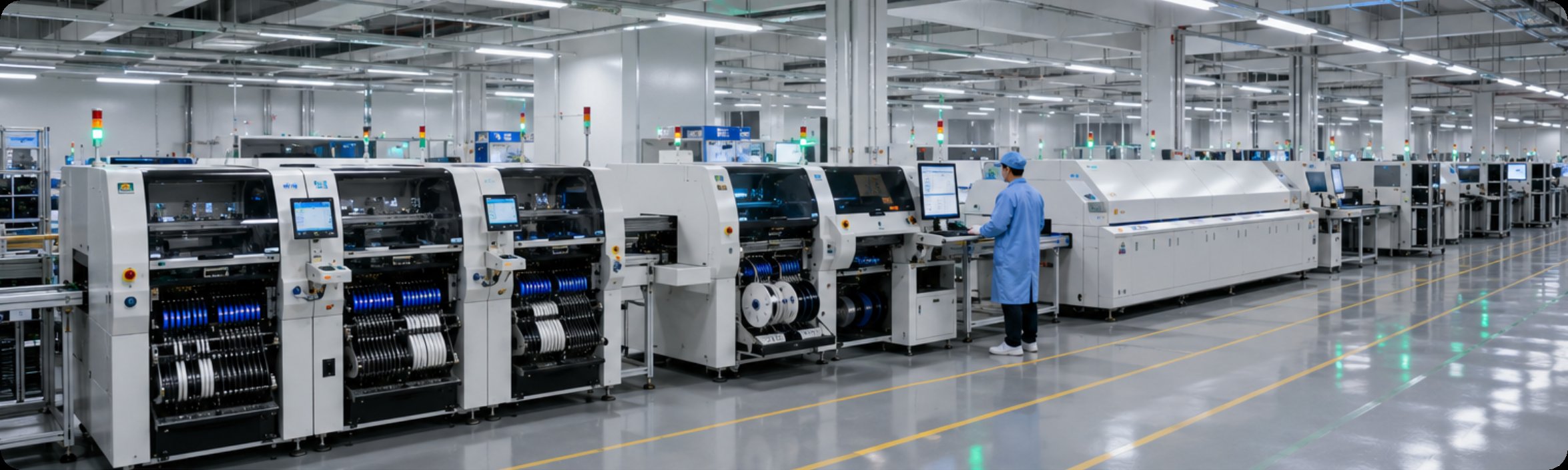
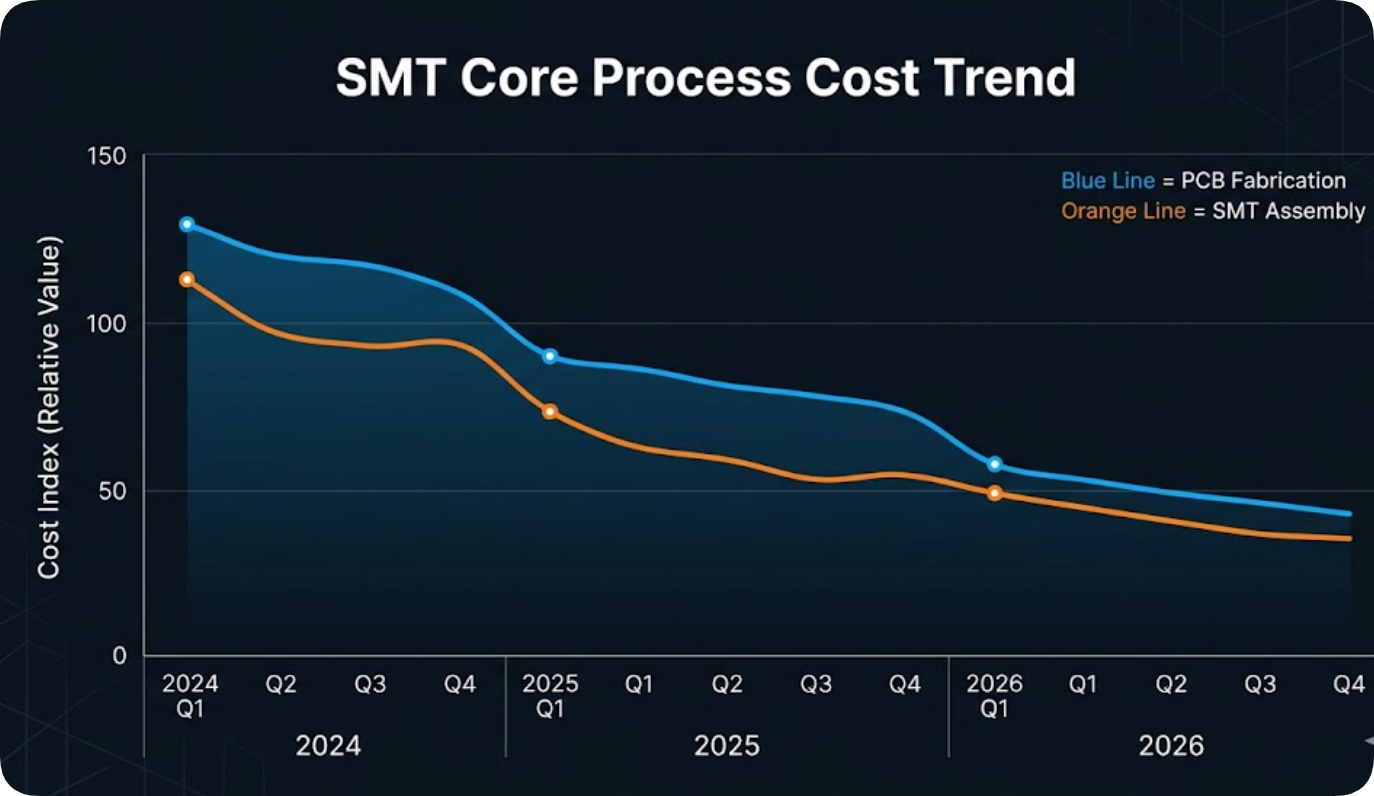
Over the past decade, the electronics manufacturing landscape has undergone a quiet revolution. What once relied on manual assembly and bulky components now demands micron-level precision and real-time process control. Based on my observations across numerous production facilities, the most successful manufacturers are those that treat SMT core processes not as a cost center, but as a strategic advantage. The key differentiator today is not just speed, but the ability to adapt core technologies to increasingly complex designs without sacrificing yield or timeline.
The Hidden Challenges in Miniaturization and Density
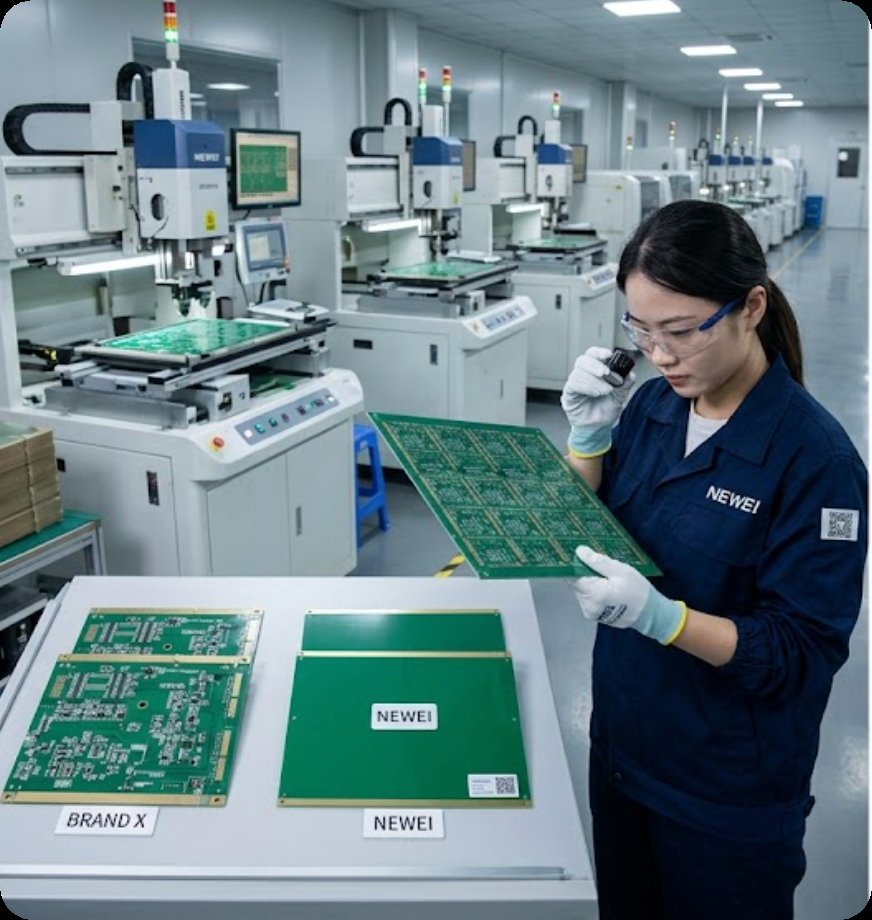
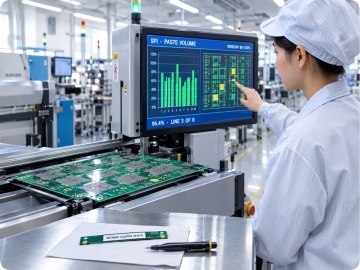
Miniaturization is the dominant trend driving SMT evolution. As components shrink to 0201 sizes and BGA pitches drop below 0.4mm, the margin for error becomes razor-thin. Traditional assembly methods often fail to handle the thermal and mechanical stresses introduced by these dense layouts. In my experience, the most critical failure points are not the placement itself, but the solder paste deposition and reflow profile. An experienced Custom PCB Assembly Services partner uses automated solder paste inspection (SPI) and real-time reflow monitoring to catch variations early. For instance, at NEWEI, we have observed that integrating SPI data with placement machine feedback reduces rework rates by up to 35% compared to non-integrated lines.
Why Thermal Management Defines SMT Success
One of the most overlooked aspects of modern SMT core processes is thermal profiling. Many low-cost assemblers rely on generic profiles that do not account for board thickness, copper layers, or component density. This leads to cold joints, tombstoning, or even component damage. In contrast, a mature PCB fabrication partner develops custom profiles for each board design, using multiple thermocouples and simulation software. For example, when NEWEI handles a custom PCBA for an automotive control module, we run a minimum of three thermal validation runs before the first production batch. This approach ensures that every joint meets IPC Class 3 standards, even under wide temperature swings.
Integrating Inspection into the Workflow
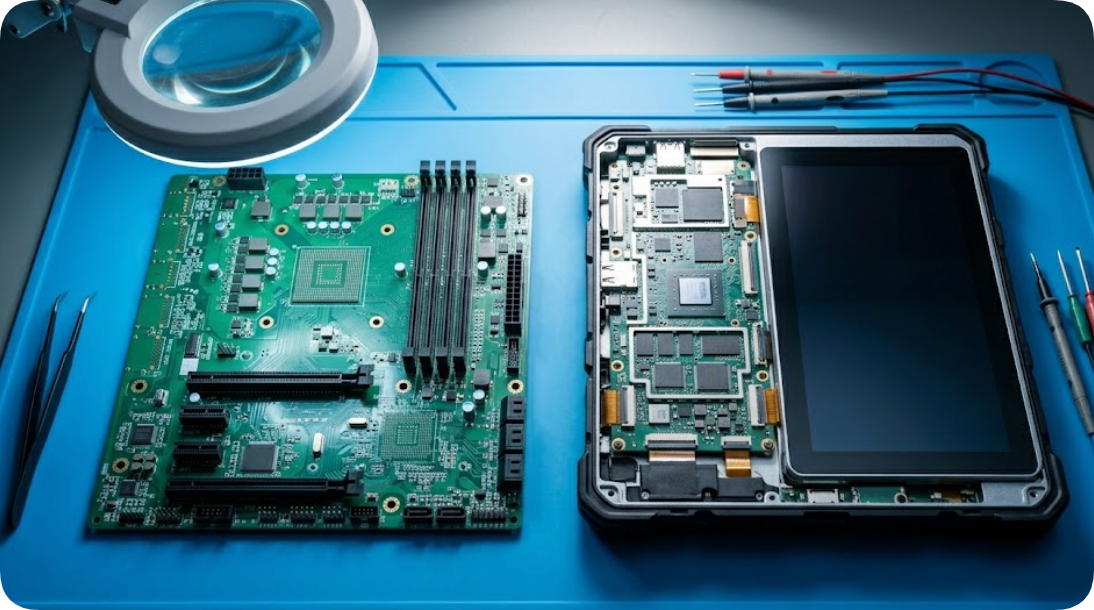
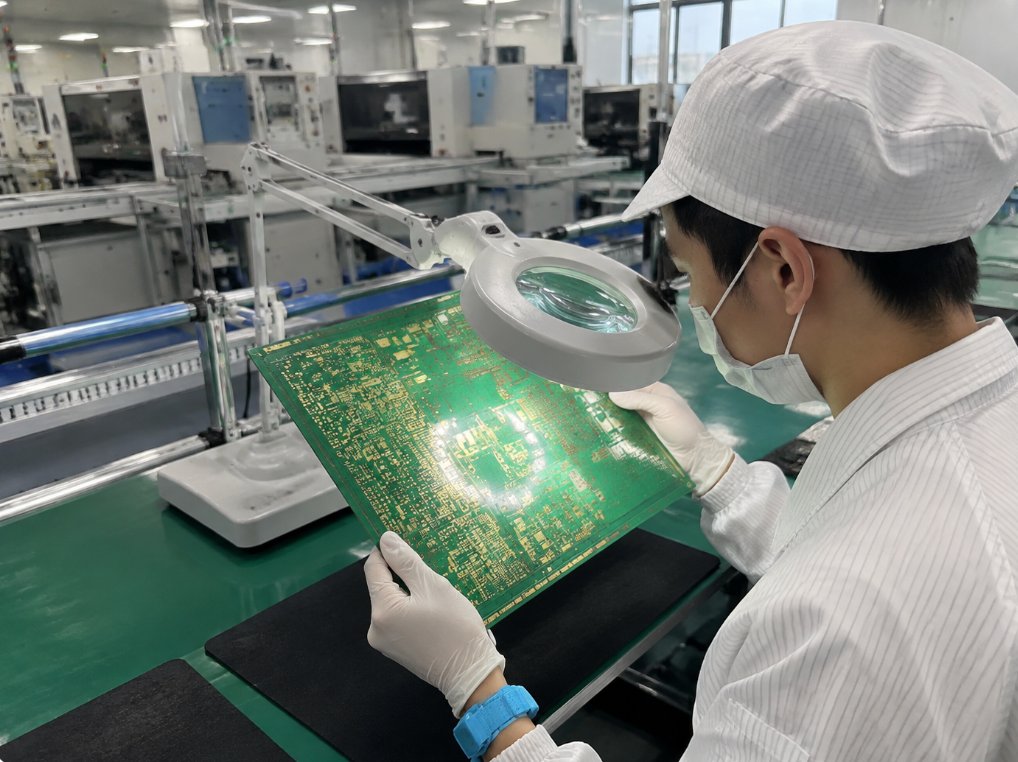
Inspection is no longer a separate step after assembly—it must be embedded within the SMT line. Optical inspection (AOI) and X-ray inspection for hidden solder joints are now standard for high-reliability projects. However, the real innovation is linking inspection data to process parameters. When AOI detects a pattern of misalignment, the system can adjust the pick-and-place head or stencil pressure in real time. This closed-loop control is what separates top-tier SMT Assembly Services from basic providers. In a recent project for an industrial PCBA, NEWEI used this approach to achieve a first-pass yield of 98.7%, reducing overall lead time by 20%.
Material Traceability as a Competitive Edge
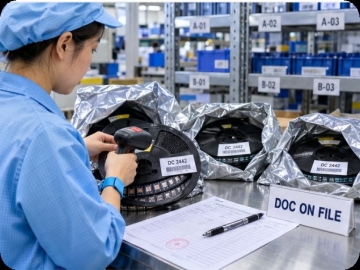
Another shift in SMT core processes is the emphasis on material traceability. For automotive and medical applications, every component must be tracked from reel to board. This requires barcode scanning at every station, from solder paste to final inspection. Without this, a single counterfeit or out-of-spec component can cause field failures that are expensive to diagnose. A reliable Custom PCBA partner invests in a traceability system that logs all material lots, machine parameters, and inspection results. This not only simplifies compliance but also speeds up root cause analysis if issues arise later in the product lifecycle.
Practical Advice for Choosing Your SMT Partner
Based on my years in the industry, here are the key questions to ask when evaluating a SMT assembly provider:
- Do they use real-time SPI and AOI with closed-loop process feedback?
- Can they provide custom reflow profiles for your specific board design?
- Do they offer material traceability from component procurement to final assembly?
- Are they capable of handling fine-pitch BGA and 0201 components with documented yield data?
- What is their typical first-pass yield for similar custom PCBA projects?
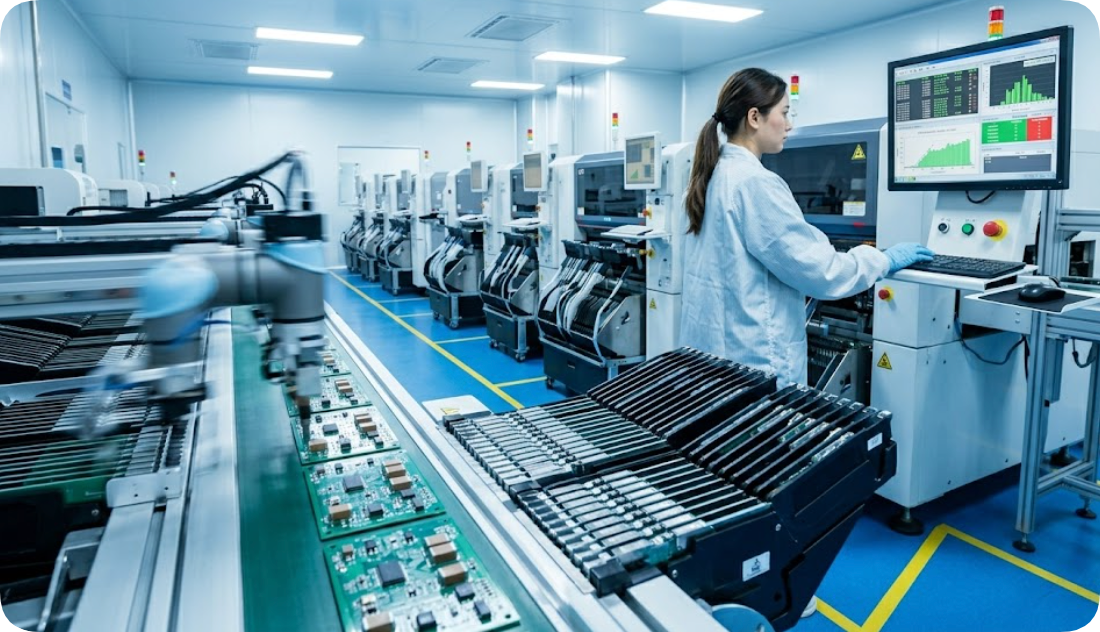
Choosing a partner that answers these questions with specific data and case studies will significantly reduce your risk of delays, rework, and field failures. The evolution of SMT core processes is not just about technology—it is about the discipline to apply it consistently across every project. That is what separates a commodity assembler from a true manufacturing ally.
Tags:
Prev: Why HDI Multilayer PCB Capability Defines Your Industrial Motherboard & Mini PC Success