
NEWEI SMT PCBA PCB Incoming Quality Control Troubleshooting Guide
If you have ever worked on the receiving end of electronic components and boards, you already know the frustration: warped substrates, solder mask peeling, components that do not match the bill of materials, and hidden defects that only reveal themselves after reflow. These are not minor annoyances. They are the exact pain points that separate a smooth production run from a costly, time-consuming firefight. In this deep dive, we examine how rigorous Custom PCB Assembly Services combined with disciplined incoming quality protocols eliminate these issues before they ever reach the production floor. The goal is straightforward: catch every defect at the receiving dock, not after value has been added through component placement and soldering.
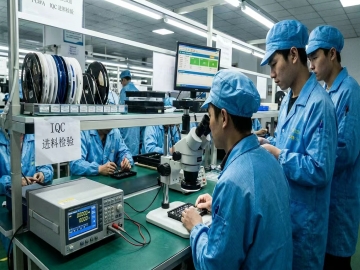
Incoming quality control for electronic assemblies is a discipline that rewards precision and punishes shortcuts. The most common defects found during incoming inspection include core warpage in bare boards, inconsistent hole wall thickness, surface finish contamination, and subtle delamination that escapes visual checks. When these defects pass through undetected, they create cascading problems during assembly: misaligned components, incomplete solder joints, and intermittent electrical failures that consume engineering hours to diagnose. The solution starts with a structured inspection protocol designed specifically for each technology. A thorough professional Incoming Quality Control program addresses dimensional accuracy, material integrity, and electrical performance before any component is placed. Organizations that commit to this approach eliminate the root causes of production disruptions and see measurable gains in throughput, yield, and on-time delivery.
Solution Benefits and Key Outcomes
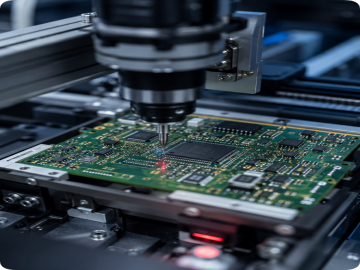
The first layer of defense in any incoming quality system is bare board inspection. PCB Fabrication defects such as inadequate registration between layers, excessive dielectric thickness variation, and plating voids can remain invisible until electrical testing reveals open circuits or high-resistance connections. A robust inspection workflow includes automated optical inspection for dimensional checks, microsection analysis for plating quality, and flying probe testing for electrical continuity. These techniques catch problems before boards move to assembly, saving significant rework cost and schedule impact. When combined with statistical process control data from the board supplier, incoming inspection becomes a predictive tool rather than a simple pass-fail gate.
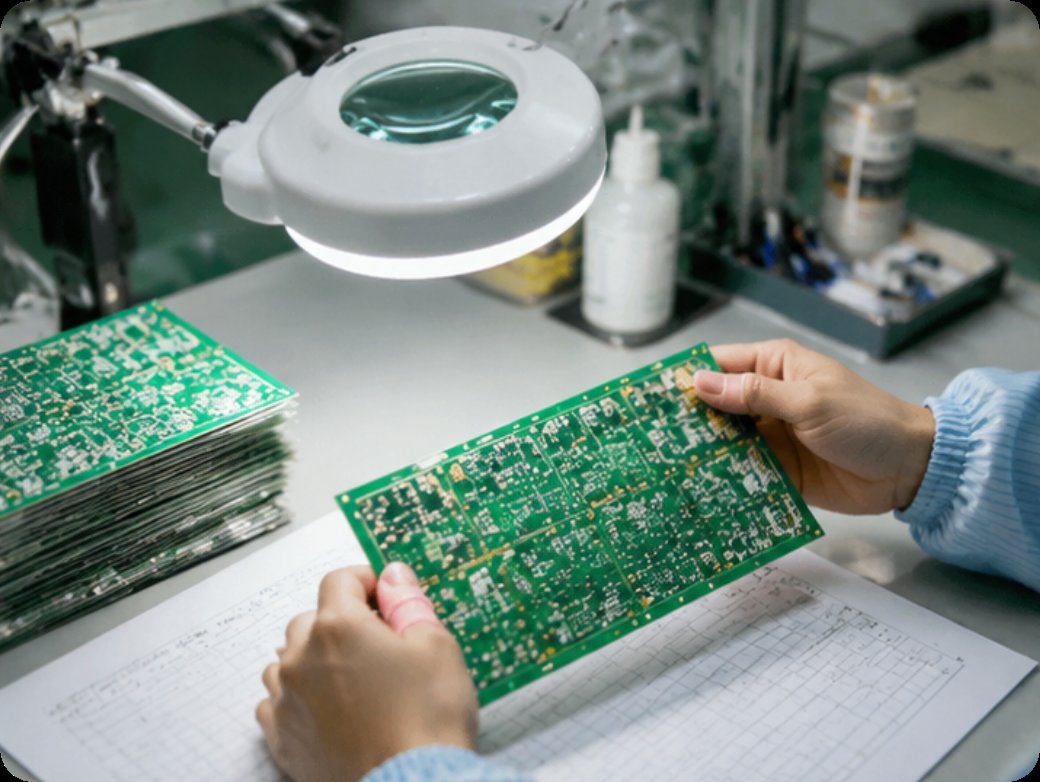
PCB Assembly (PCBA) adds another layer of complexity because components themselves carry their own quality risks. Counterfeit parts, incorrect date codes, solderability issues, and moisture sensitivity failures are all real threats that must be managed at incoming inspection. Visual verification under high magnification, X-ray fluorescence for material composition analysis, and component-specific electrical testing are essential tools. Solder paste, often overlooked in incoming programs, requires viscosity measurement, solder ball test, and tackiness evaluation to guarantee consistent print performance. A mature PCBA incoming quality program does not rely on a single inspection method. Instead, it layers automated optical inspection, automated X-ray inspection, and targeted manual verification to catch defects across the full spectrum of failure modes. The result is a process that transforms incoming quality from a reactive checkpoint into a proactive enabler of production stability.
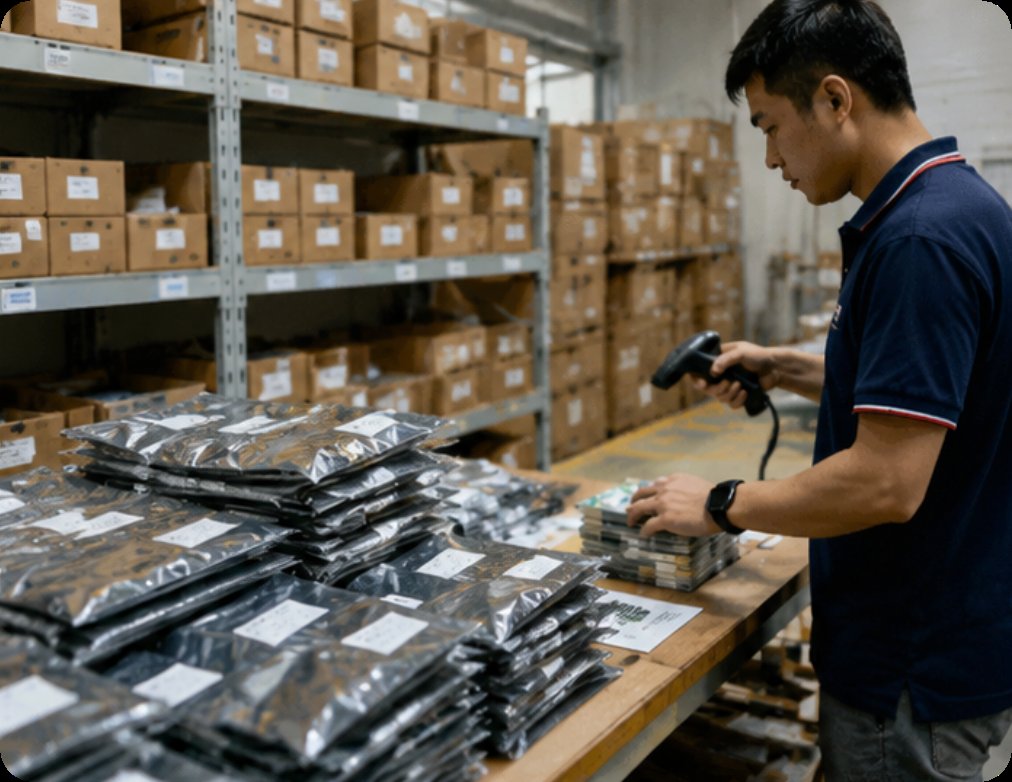
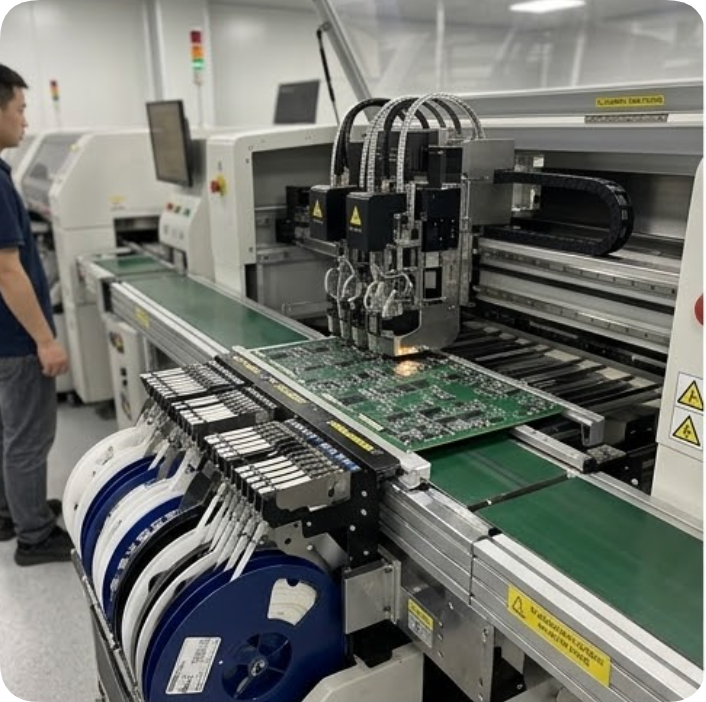
SMT Assembly Services demand the most exacting incoming controls because modern electronics continue to push the boundaries of miniaturization. Components such as 0201 capacitors, 0.3mm pitch BGAs, and quad flat no-lead packages with exposed pads leave almost no margin for positional error. Stencil aperture geometry, laser cutting quality, and tension must be verified before the stencil is released for production. Reflow thermal profiles must be validated against each solder paste specification to ensure proper wetting, void minimization, and intermetallic formation. The most effective SMT incoming quality programs use statistical process control to monitor critical parameters over time, identifying drift before it produces defects. This continuous monitoring approach ensures that first-pass yields remain high even as product complexity increases and lot sizes shrink.
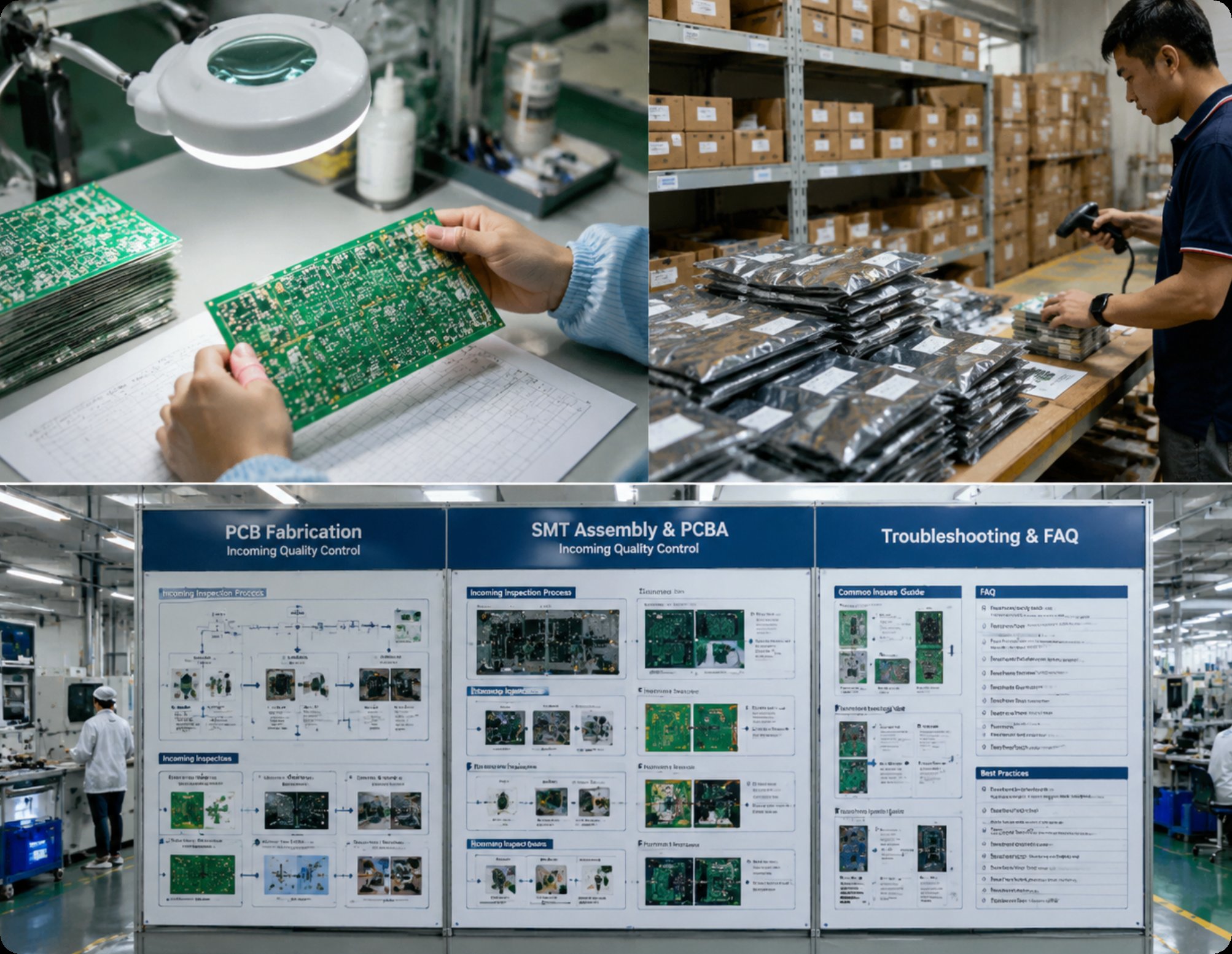
Customer Case Story
A mid-volume manufacturer of professional audio equipment found themselves caught in a cycle of escalating quality problems that threatened both their reputation and bottom line. Their incoming quality process consisted of visual sampling of PCB Fabrication lots and random verification of component labels. This lightweight approach left them exposed to intermittent defects that appeared unpredictably during final assembly and functional testing. Engineering teams spent hours each week chasing down failures that traced back to materials and components that should have been caught at incoming. Warranty returns were climbing, and field repair costs were cutting into already thin margins. The leadership team recognized that their incoming quality approach needed a fundamental redesign covering PCB Fabrication, PCB Assembly (PCBA), and SMT Assembly.
They partnered with experienced Custom PCB Assembly Services providers to rebuild their incoming quality infrastructure from the ground up. The new program included automated optical inspection for every
Tags: PCBA /PCB /SMT /NEWEI /incoming quality /troubleshooting /supply chain /control /
Prev: NEWEI SMT PCBA PCB Factory Performance Test Analysis
Next: NEWEI PCBA SMT PCB Packaging Delivery Technology Evolution Guide