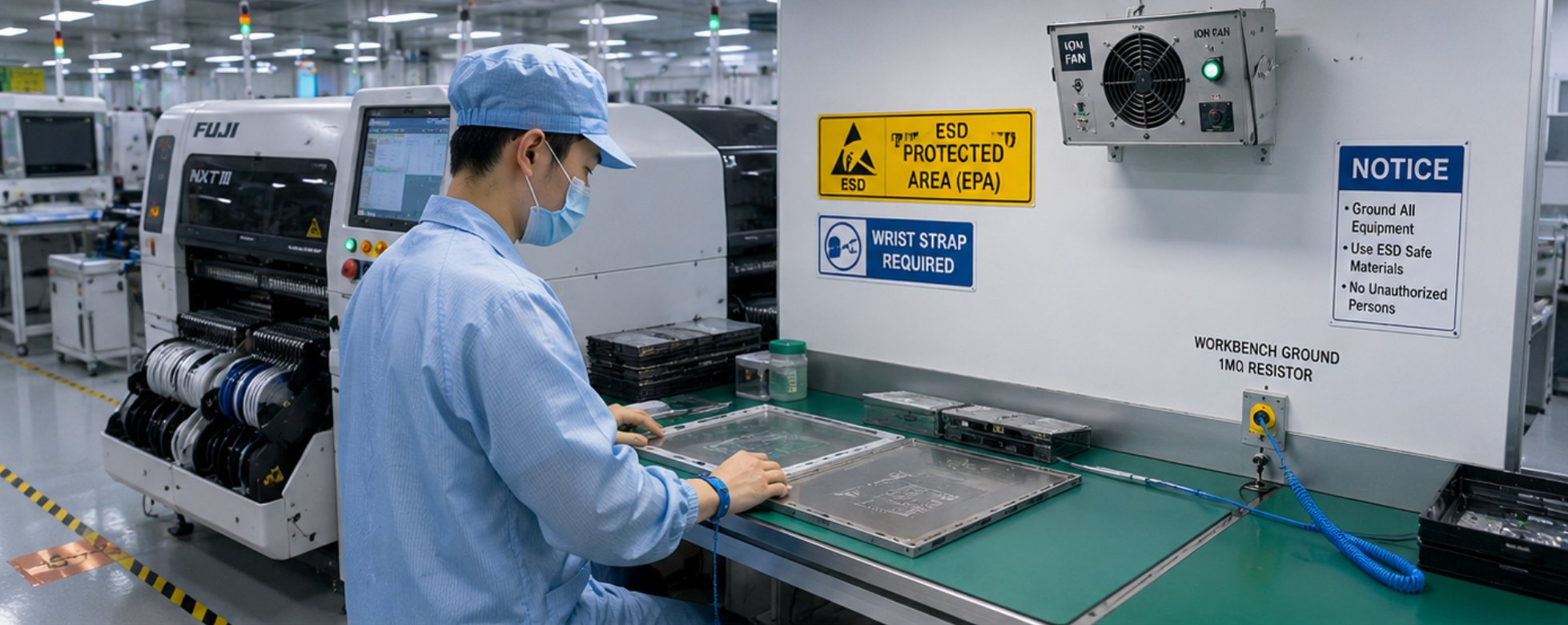

When the Coating Brief Arrives Before the Gerbers: Three-Proofing, EMS and Automotive PCBA
Our view, stated up front: the decision to protect a board is no longer a finishing touch. It arrives in the first email, sometimes before a Gerber file exists, and it quietly rewrites the layout, the bill of materials, and the test plan. We have watched that shift happen across consumer, automotive, and industrial programs on the Consumer Electronics PCBA Assembly Factory floor, and the factory that treats coating as a last-minute spray is the factory that quotes a price it cannot hold. This article follows that requirement backwards—from the field where a board fails to the moment somebody has to sign its specification—because that is the direction in which useful engineering decisions run.
The trend is easy to miss if you only watch the spray booth. The booth has not changed much; what changed is who is allowed to describe what the booth must do. A decade ago a buyer asked whether we could coat a board. Today the same buyer sends a humidity range, a salt exposure note, a cleaning agent the board will meet in service, and a request that the answer appear on the drawing. That is a different question entirely, and it belongs to a Turnkey EMS Electronic Manufacturing Services partner rather than an operator with a spray gun.
Why the Coating Line Gets the Call Before the Board Is Drawn
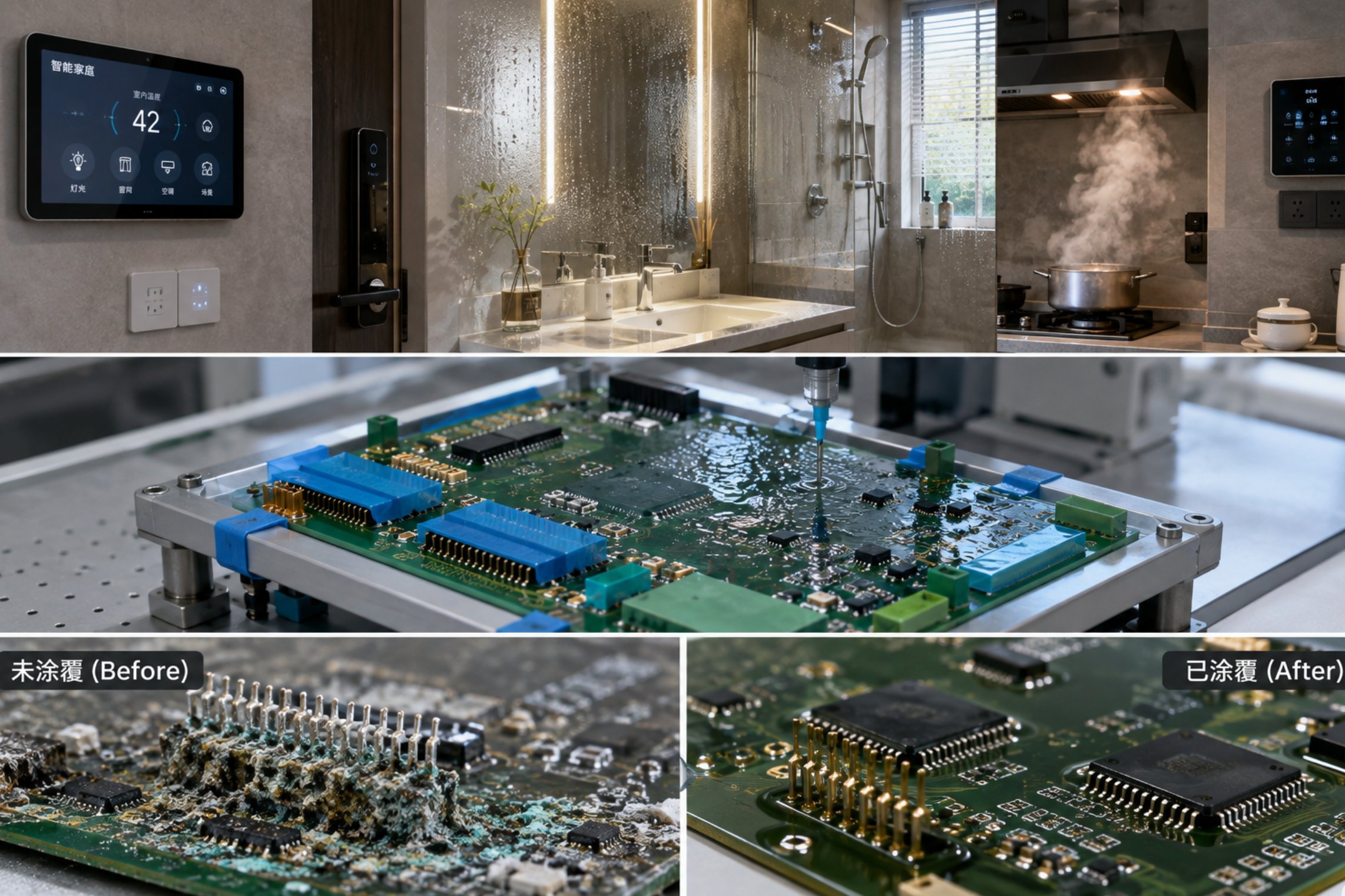
Consider the ordinary sequence. A design is released, boards are built, samples pass functional tests, and only then does somebody mention that the unit will live in a bathroom, a vehicle door cavity, or a roadside cabinet. At that point, the coating choice is constrained by decisions already frozen: connector positions that cannot be masked cheaply, a display bonded flush to the cover, or a heatsink that leaves no clean edge for a selective nozzle. The spray line can still coat such a board, but it cannot coat it evenly or without a labor-intensive masking operation.
So the call is now made earlier, often at the meeting where the enclosure is chosen. An engineer who knows the service environment writes a short protection note, and that note travels with the design. On our floor, that note is worth more than the drawing because it specifies what the board must survive rather than how it looks on shipping day.
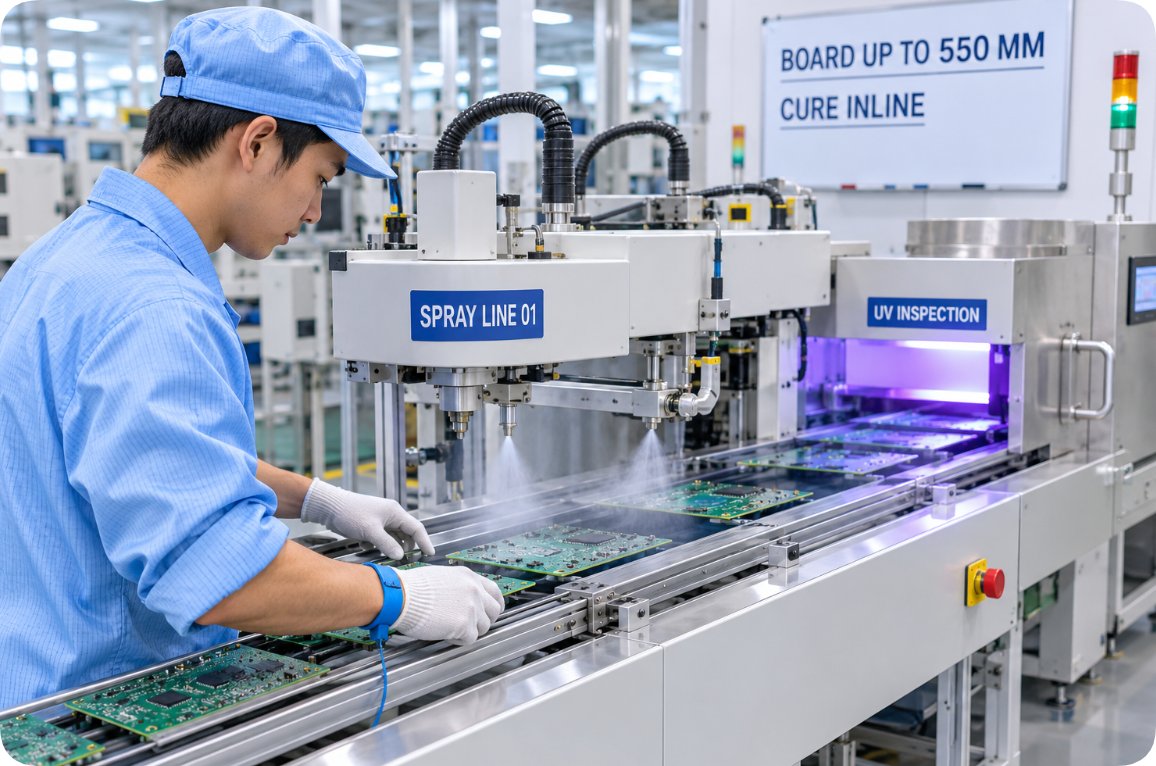
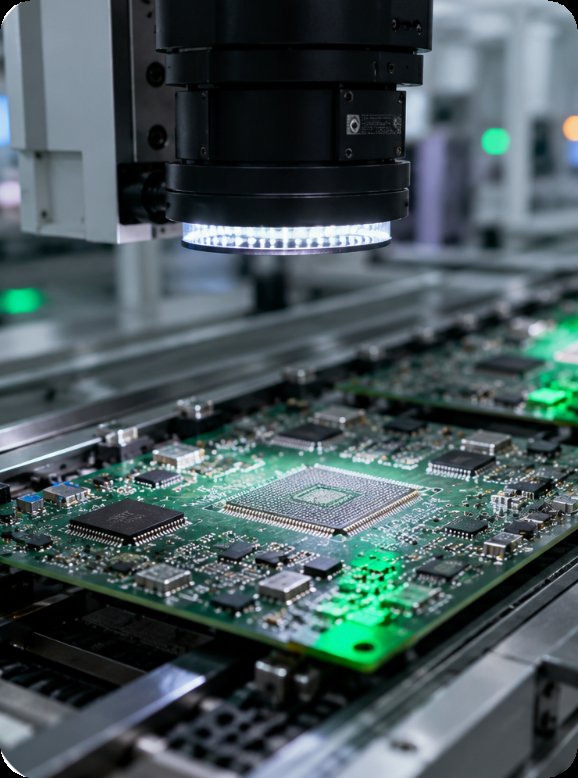
Automated PCBA three-proofing conformal coating spray line equipped with inline curing and UV inspection
What a Protection Requirement Must Spell Out on Paper
A useful engineering brief is short but specific. It names the moisture or contaminant the board will face, the operating temperature range, chemical exposure risks, and strict kept-clear zones (connectors, test points, edge fingers, lens seats). Our PCBA Conformal Coating & Three-Proofing Services line applies films to large boards up to 550 mm in length and cures them inline, but precision requires explicit exclusion zones. Without clear documentation on the drawings, operators must guess, and a miscalculated mask can easily turn a connector into an insulator.
A Single Spray Line and the Precision Machinery Behind It
The physical process is streamlined. We run a professional three-proofing spray line featuring dual coating heads, UV inspection, and a bake-cure stage, completing the process in minutes per board. Manual brushing yields inconsistent thickness and risks paint bleeding into sockets or onto displays. Dual-head automated machines with programmable adjustments guarantee even films and repeatable results, while UV inspection verifies coverage before the board leaves the line.
Where EMS Turns a Requirement Into a Routine
A protection specification requires careful execution across design, sourcing, fabrication, component placement, inspection, and final assembly. That unified chain is what a turnkey Automotive Grade Electronics PCBA Manufacturing program provides. Our EMS operations cover design review, component procurement, PCB manufacturing, SMT, DIP, testing, and final assembly backed by flying-probe test systems, fixture testing, AOI inspection, and full TS16949, UL, CE, RoHS, and ISO9001 certifications.
Modifying a coating specification can alter solder masks, component terminations, cleaning chemistry, and test sequences across multiple departments. An experienced EMS partner catches these dependencies during upfront reviews rather than discovering them during pilot production.
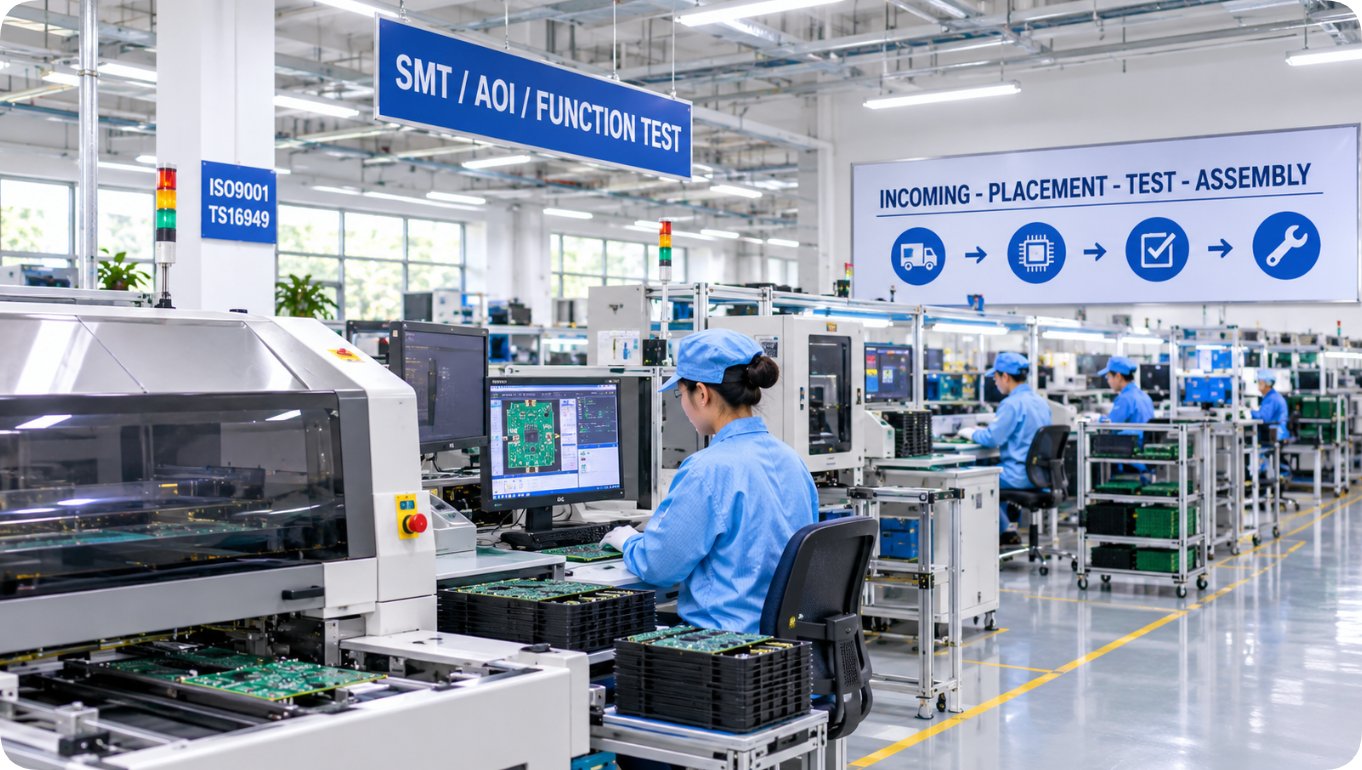
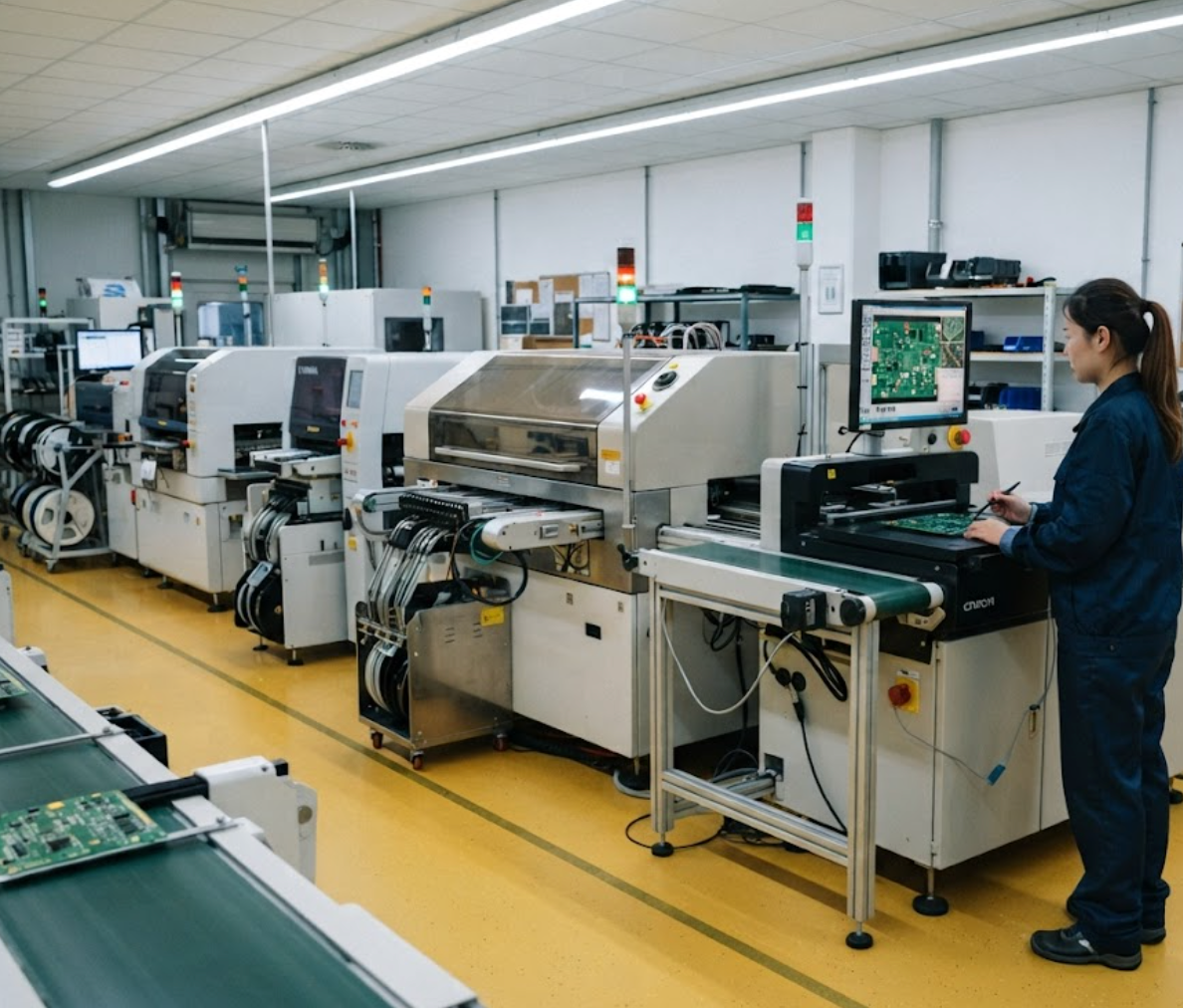
Comprehensive EMS manufacturing floor integrating high-speed SMT placement, AOI inspection, and functional test stations
Automotive PCBA Raises the Bar on Reliability Testing
Automotive electronics demand exceptional durability against vibration, thermal cycles, and condensation over multi-year lifespans. Protection strategies must align with high-grade components and rigorous test sequences. Our automotive manufacturing integrates directly with our PCBA Aging Test & Reliability Testing Service, ensuring boards pass prolonged stress tests under load.
Comparative Evidence Across Production Stages
The matrix below outlines what each production stage can and cannot prove regarding conformal coating performance:
| Stage | Question It Answers | What It Cannot Tell You | Responsible Owner |
|---|---|---|---|
| Design Brief | Expected moisture, chemical, and temperature exposures | Whether the chosen film survives those exact conditions | Product Engineer |
| Layout & Masking Plan | Excluded zones and nozzle access paths | Uniformity of film thickness across dense components | Layout Engineer |
| Spray & UV Inspection | Application of continuous film on targeted zones | Long-term film adhesion after thermal cycling | Process Operator |
| Aging & Reliability Test | Assembly operation under accumulated stress | Unaccounted field contaminant variables | Quality Engineer |
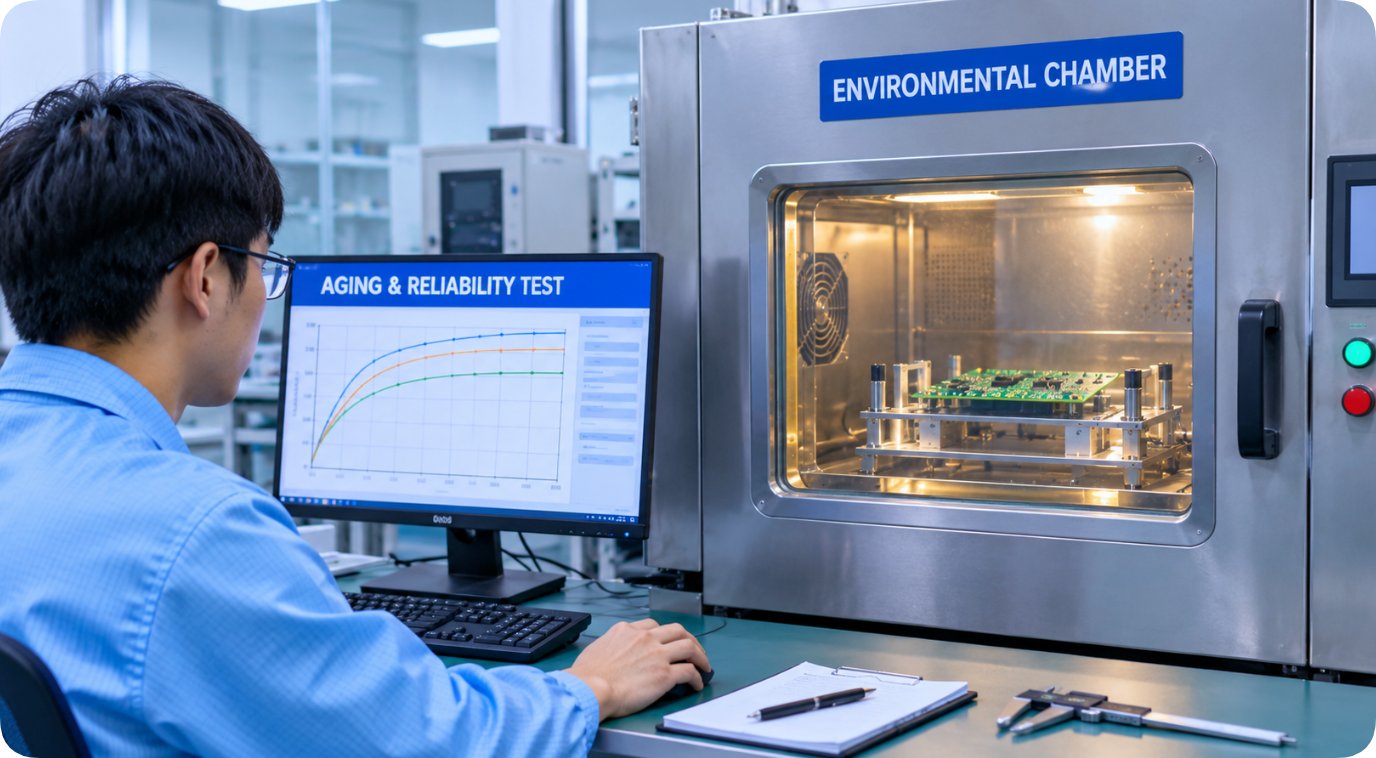
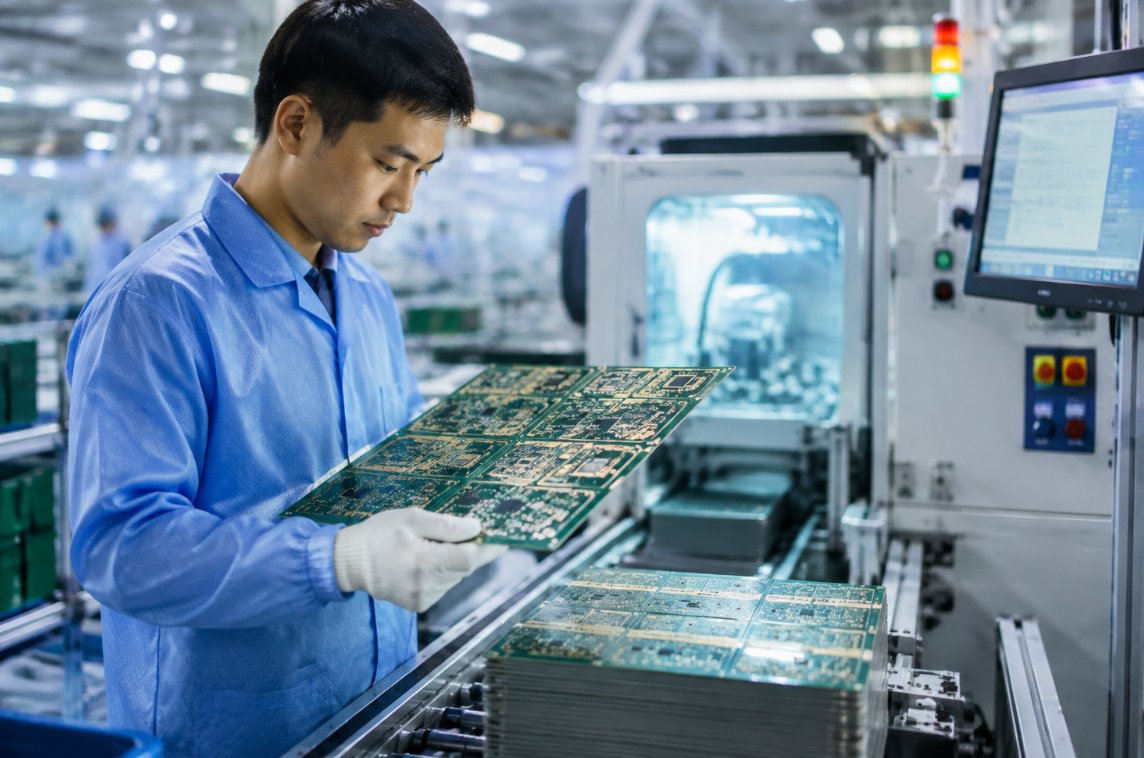
Automotive electronics PCBA undergoing rigorous aging and reliability testing inside an environmental test chamber
Questions Procurement Teams Should Ask
Procurement teams benefit from clarifying ownership early. First, establish who owns the protection requirement from design through testing. Second, confirm what quality evidence accompanies first articles (such as thickness measurements, UV inspection records, and kept-clear validation). Third, ensure the manufacturing workflow accommodates late-stage environmental adjustments without redesigning the assembly process.
For related insights on assembly workflows, explore our documentation on Product Assembly and DIP Assembly, and leverage our capabilities in Quick Turn PCB Prototyping & Board Manufacturing.
Frequently Asked Questions (FAQ)
1. Should the coating requirement be written before or after board layout is finished?
It must be written before layout sign-off because kept-clear zones and nozzle access paths dictate component placement and circuit routing.
2. Can a small board with dense connectors be coated as reliably as a large board?
Yes, provided kept-clear zones are explicitly defined on manufacturing drawings and the board program is optimized for automated selective spray lines.
3. Does a passed functional test prove the PCBA will survive humid field conditions?
No, functional tests only verify bench operation; humidity and contaminant resistance are validated through conformal coating process records and targeted environmental aging tests.
4. Who should maintain ownership of the protection requirement during production?
A single designated owner, typically a product or quality engineer, oversees the specification from initial design briefs through final inspection and testing.
The video below demonstrates PCBA conformal coating processes, automated spray line inspection, and environmental reliability testing.
Tags: