
Closing the Quality Loop: ROI of Integrated PCB Assembly and In-House Testing
Closing the Quality Loop: ROI of Integrated PCB Assembly and In-House Testing
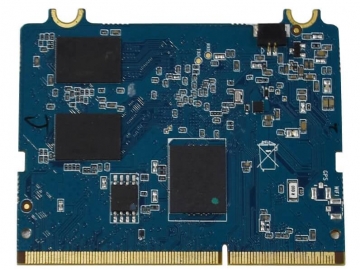
My take after watching a decade of hardware programs: the cheapest placement quote is usually the most expensive decision on the table. The dollars you trim on a bare-bones SMT rate do not disappear — they reappear as field returns, warranty claims, and emergency re-spins six months after launch. The brands that actually protect margin are the ones that treat testing as part of the build, not a gate at the loading dock. Running SMT Assembly, PCB Assembly (PCBA), and aging test inside one facility is not a premium upsell; on most bills of materials it is the single fastest payback available.
Surface Mount Precision Protects Production Margins
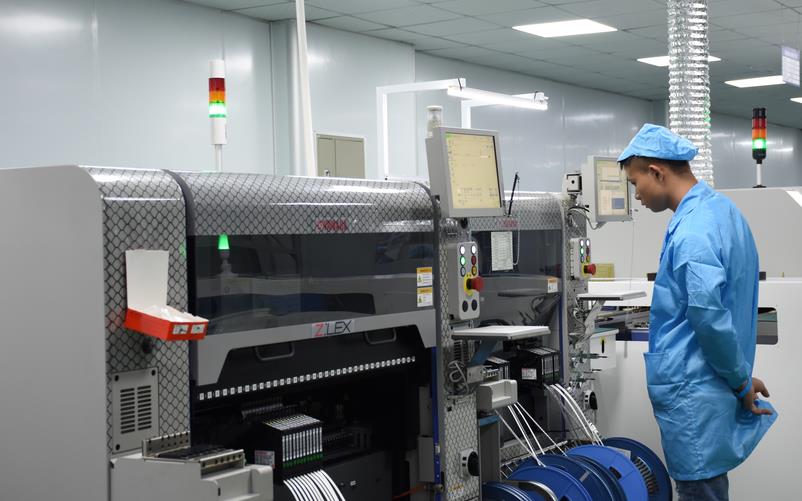
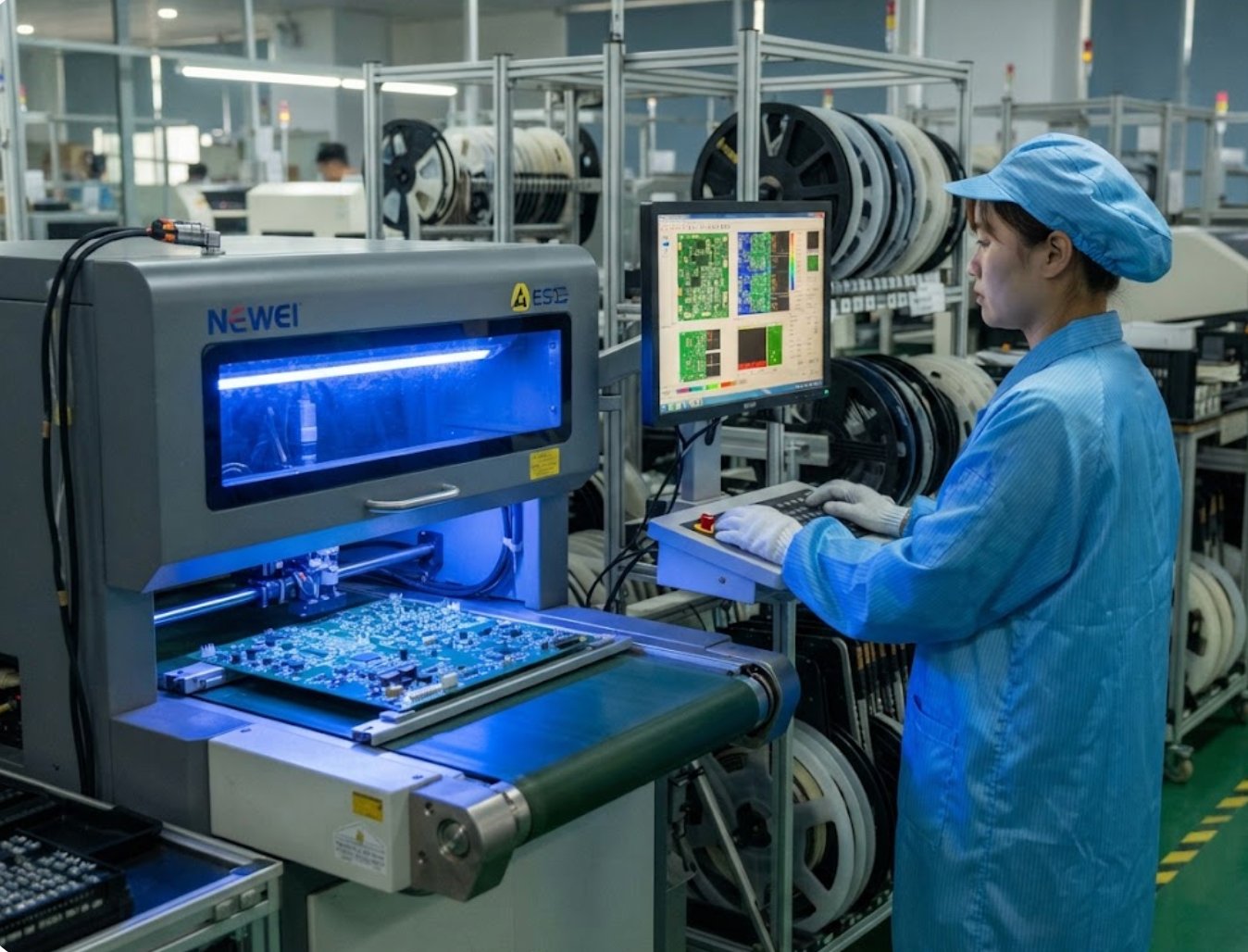
The stencil print is where surface-mount reliability is really decided. Tiny aperture inconsistencies, a squeegee that has seen too many panels, or solder paste past its workable window all nudge a batch toward open joints, head-in-pillow defects, and beads that pass a casual glance but fail under inspection. A mature SMT Assembly flow therefore validates every print with 100 percent solder-paste inspection before components are placed, catching volume and height deviations at the earliest possible stage. On fine-pitch parts such as 0201 chips and 0.4 mm BGAs, that early check is what separates a clean first-pass run from a line clogged with rework.
The economic lever is straightforward. A defect caught at SPI costs a reprinted board and a few minutes. The same defect escaping to functional test costs a teardown; escaping to the customer it can cost a recall. When you measure return on investment on inspection, you are really measuring how many field failures you prevented per dollar spent at the line. On high-mix, high-reliability programs that ratio is rarely below ten to one.
Aging Test Turns Warranty Risk Into Margin
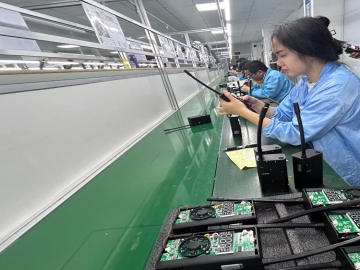
Every component population has an infant-mortality curve. A small fraction of units carry latent defects — weak bonds, marginal capacitors, micro-cracks from thermal stress — that pass functional test on day one and fail in week six at the customer site. Aging test compresses that timeline on purpose. By running boards through elevated-temperature burn-in and temperature cycling before they ship, you trade a predictable, contained failure on the bench for an unpredictable, expensive failure in the field.
The warranty math is what makes this a board-level ROI story rather than a quality nicety. A returned industrial controller does not just cost the price of the part; it carries freight both ways, a technician's bench time, a replacement unit pulled from finished goods, and — hardest to book — the erosion of a customer relationship. Catching even a two-percent latent-failure rate at burn-in typically pays for the test cell within the first few production lots, and the savings compound every quarter the product stays in the field.

Combined Service Stack Shortens Time to Market
The real maturity shows when surface-mount, through-hole, and test live inside one continuous flow instead of three vendor hand-offs. A customer shipping an industrial PC receives the SMT board, the hand-inserted power section, the housing, and the functional test under one roof, tracked through a single production record rather than split across separate vendors. Our Industrial Mini PC and embedded motherboard programs run exactly this way: the same team that places the BGA also owns the burn-in rack and the final box build, so a design tweak does not wait three days for a vendor to pick up the phone.
Functional Test Confirms Every Board Works
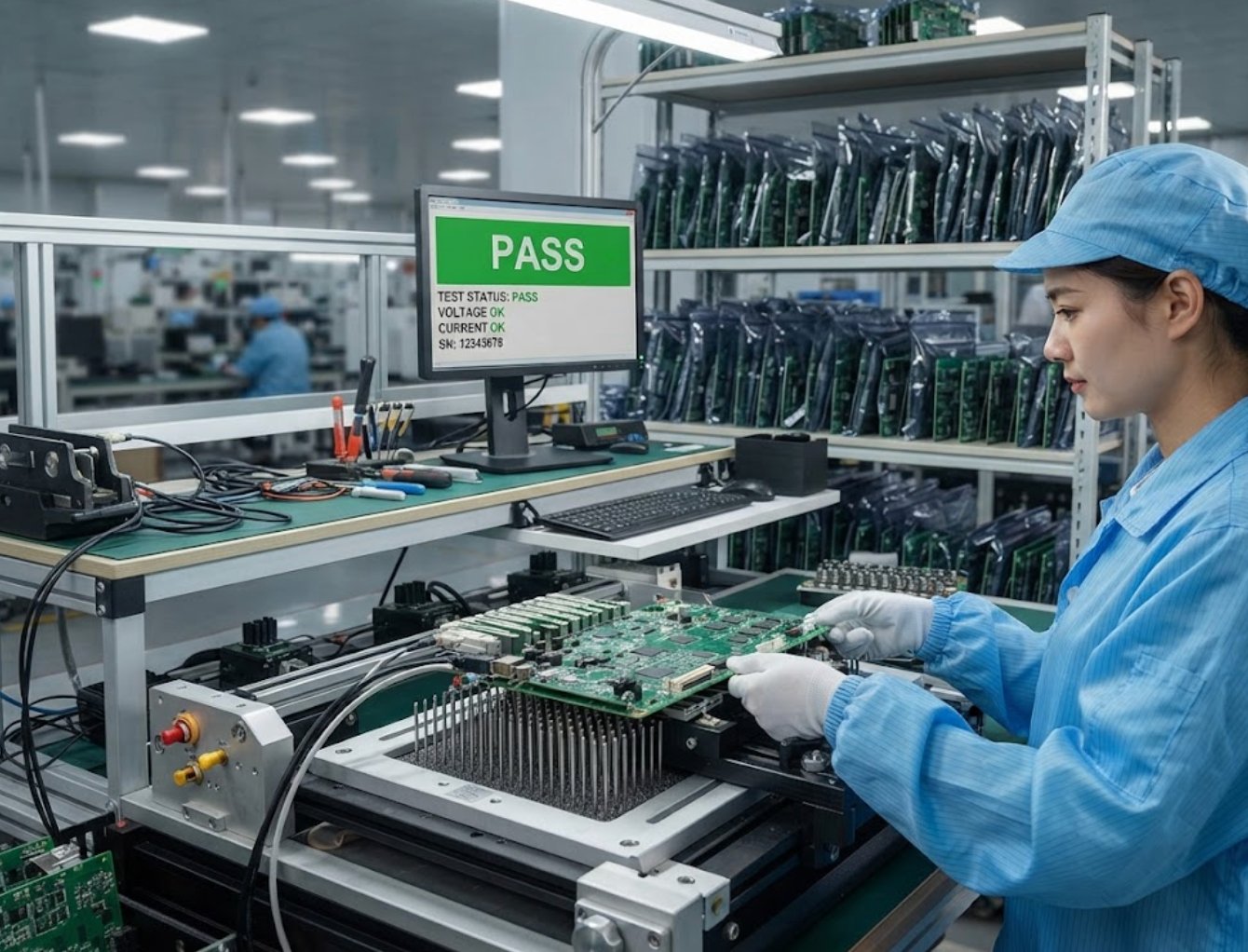
At the end of the stack sits functional test — the step that actually powers the board, exercises the interfaces, and confirms the firmware talks to the hardware. Skipping it to save a few seconds per unit is the classic false economy: it moves every undetected fault downstream to the one place where it costs the most. A combined SMT, PCB Assembly (PCBA), and test flow closes the loop so the only boards that leave the building are the ones that already behaved like finished product.
Deployment Economics From Contract Manufacturing
The framework behind all of this is the cost of quality: prevention and appraisal costs are small and predictable, while failure costs — scrap, rework, returns, brand damage — are large and compound. Integrated manufacturing front-loads a little appraisal (SPI, AOI, ICT, burn-in) to avoid a lot of failure cost later. On a typical program the in-line detection that prevents one escaped defect pays for itself many times over, because the field cost of that defect routinely runs ten to one hundred times the in-line cost.
Seen this way, the decision to keep SMT, PCBA, and aging test in one accountable facility is not about chasing a certificate. It is about eliminating the blind hand-offs where standards silently drift and no one owns the result. A single accountable quality system, with full unit-level traceability, means there is one place to go when something looks wrong — and that is the operational ROI that shows up in lead time, not just yield.
Application Scenarios Where Yield Pays Back
The payoff is largest wherever a silent failure is a liability rather than an inconvenience. Industrial controllers sitting in cabinets for ten years need the infant-mortality screen. Automotive modules face temperature swings that punish any marginal joint. Medical and IoT devices ship in volumes where even a fraction of a percent of escapes becomes a support nightmare. POS terminals and EV-charging nodes live in hostile electrical environments where a weak capacitor is a field call waiting to happen. In each of these, the integrated SMT, assembly, and test stack is what keeps the return rate from quietly eating the margin you thought you had.
Choose a Yield-Driven Manufacturing Partner
Before you commit to a builder, ask for the cross-section reports, the traceability record, and the test plan — not just a price per placement point. A partner that owns electronics manufacturing services end to end can show you the whole chain from bare board to boxed unit under one quality system. If you want to see how that chain is controlled in practice, our PCB manufacturing capabilities page walks through the steps we run in-house. A low headline rate and a defensible, documented build are almost never the same supplier, and the difference tends to surface only once the product is already in the field.
Tags: PCB Assembly / Aging Test / electronics manufacturing services /
Prev: SMT and DIP Assembly Under IPC Standards: What Compliant Electronics Manufacturing Really Demands
Next: Product Assembly and EMS Electronic Manufacturing: Cutting Packaging and Delivery Cost per Unit