
PCB Fabrication and PCB Assembly (PCBA) Evolution for Aging Reliability
Reliability engineering has entered a new phase where product lifespans of a decade or more are no longer exceptional but expected. The electronics industry is witnessing a fundamental shift as manufacturers and design teams confront the realities of thermal fatigue, material degradation, and long-term environmental stress. By 2027, the adoption curve for advanced manufacturing processes will steepen dramatically, with momentum carrying through 2028. What previously seemed like an engineering afterthought—how circuit boards behave after years of service—now commands attention at the highest levels of product development. The relationship between board construction and system endurance has become impossible to ignore. For those seeking manufacturing partners capable of meeting these demands, Custom PCB Assembly Services now represent the gold standard for merging design adaptability with industrial-grade longevity.
🏗️ How Board Quality Dictates Long-Term Survival
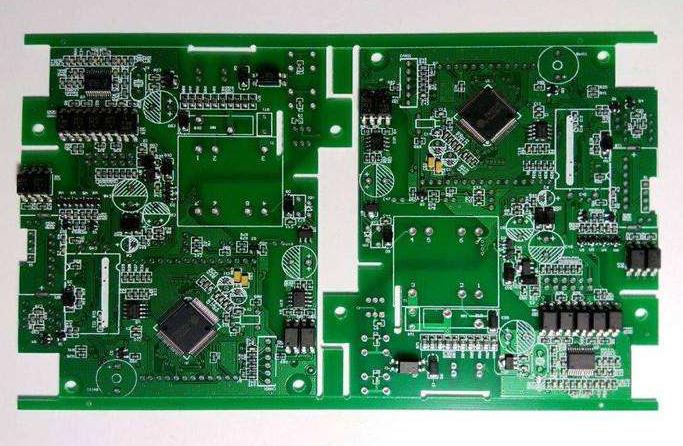
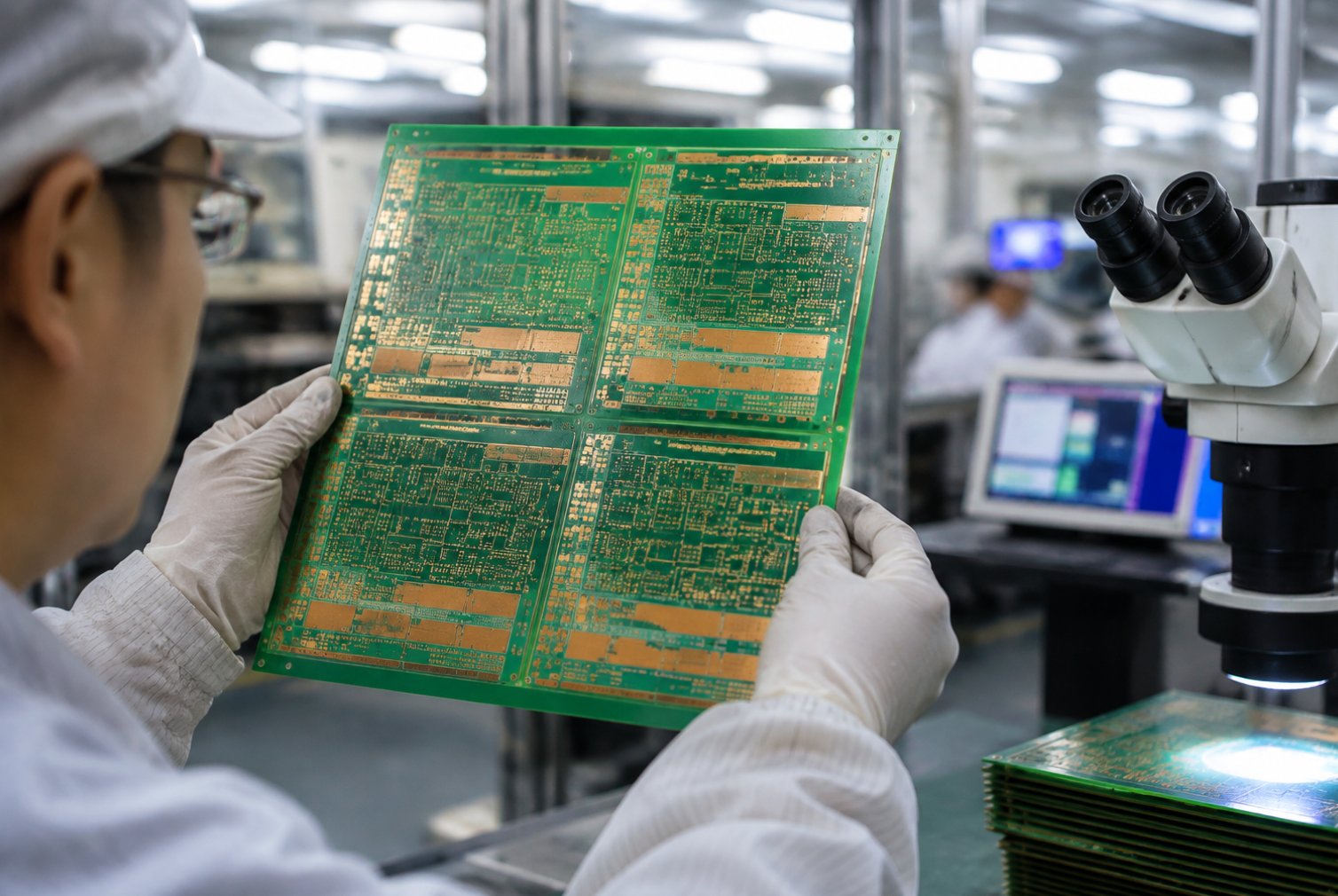
Long-term performance begins at the substrate level. Material selection, copper thickness, surface treatment, and layer configuration collectively determine how a board responds to years of thermal cycling, humidity, and operational stress. High-Tg laminates, for example, maintain their structural integrity at elevated temperatures, significantly reducing the risk of delamination or via wall fractures. Surface finishes such as immersion silver and ENIG provide robust oxidation barriers, ensuring that solderability and conductive paths remain stable over extended service intervals. For products designed to function reliably beyond a decade, these material decisions carry life-or-death consequences for the electronics.
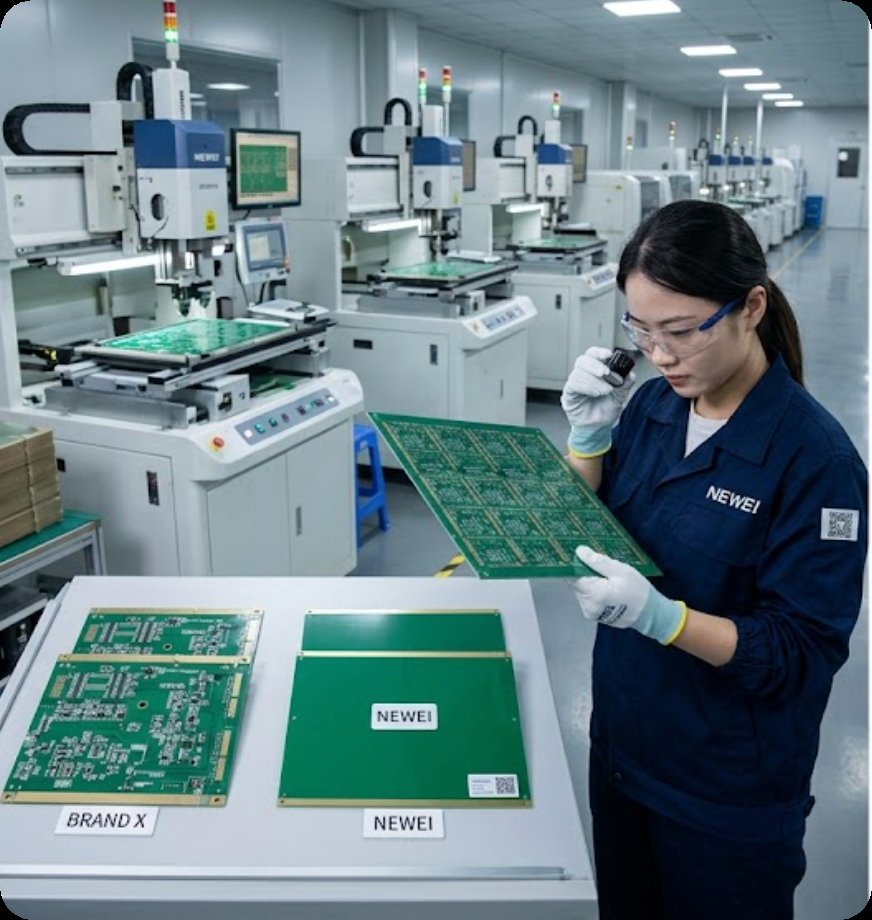
Mechanical resilience is equally dependent on fabrication precision. Techniques like controlled impedance routing, strategic via positioning, and the adoption of filled microvias help distribute thermal expansion forces uniformly, minimizing stress concentrations that lead to solder joint cracking—a primary culprit behind intermittent failures in mature systems. Tight registration and etching tolerances also prevent trace width variations, eliminating localized current density issues that accelerate wear. From industrial automation to patient monitoring equipment, the learn more about our manufacturing capabilities demonstrates how fabrication choices underpin real-world endurance.
🔌 From Design to Lifespan: What Joining Techniques Really Decide
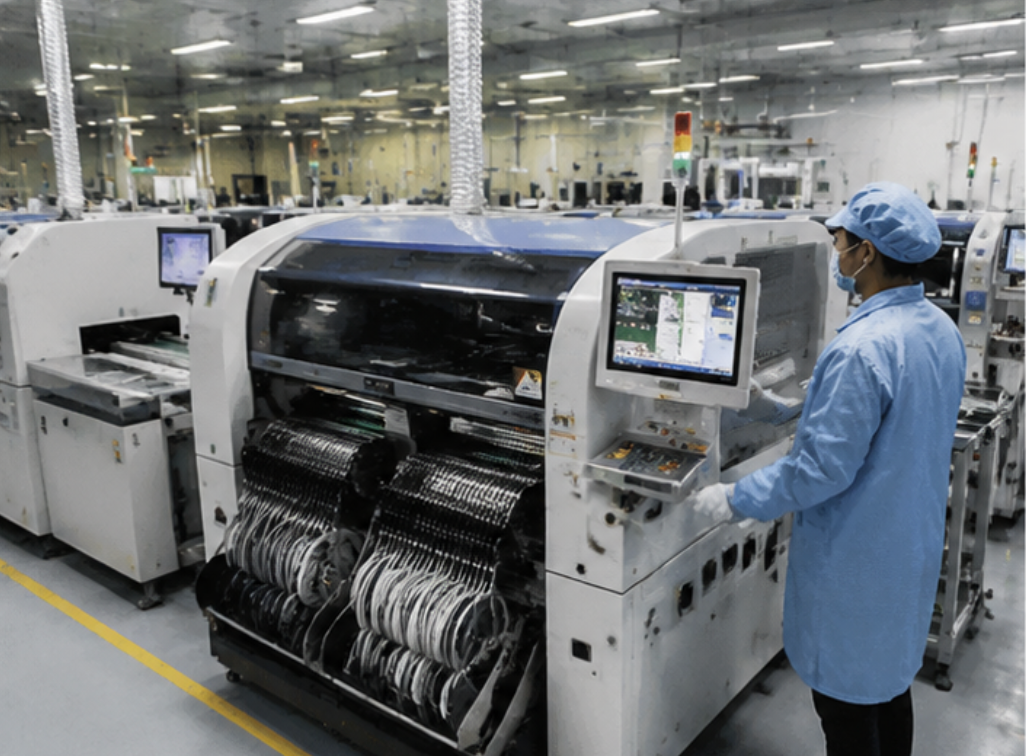
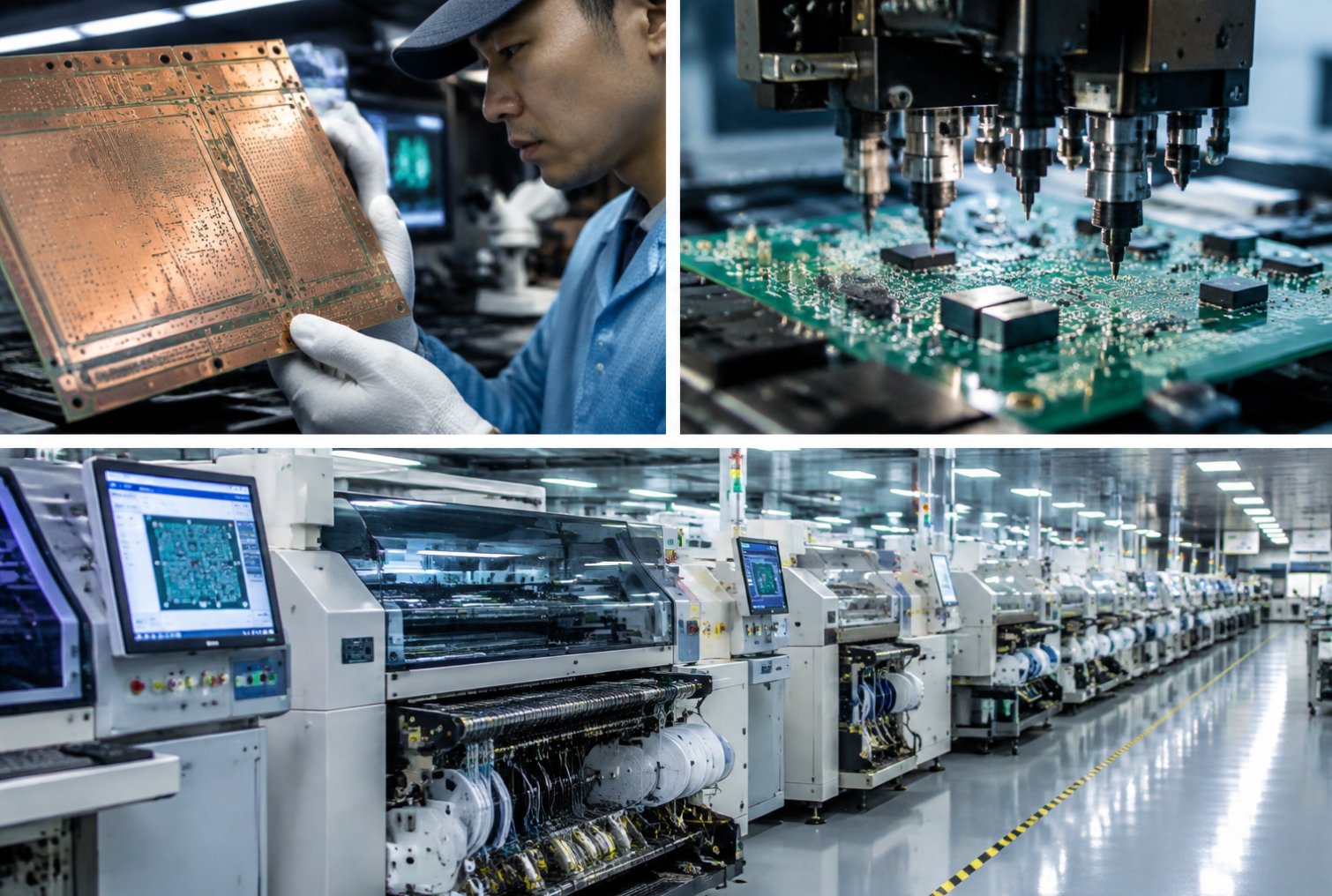
If fabrication provides the structural canvas, assembly determines whether that structure translates into dependable function. Placement precision, solder paste deposition, thermal profiling, and post-soldering cleanliness all influence how a board ages. Misaligned components or solder joints with excessive voids become fracture points when subjected to repeated thermal expansion mismatches, causing intermittent opens that are notoriously difficult to diagnose. Contemporary assembly operations employ automated optical inspection alongside X-ray analysis to identify such flaws before products ship, ensuring that boards preserve their electrical characteristics through years of thermal swings and mechanical strain.
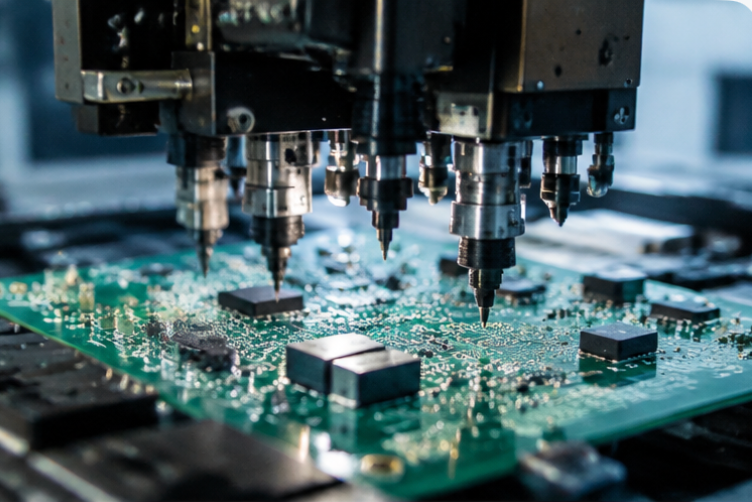
Surface-mount technology has fundamentally altered reliability expectations. The compact footprint of SMT components reduces lead lengths, which in turn lowers parasitic inductance and capacitance—beneficial for signal integrity. Additionally, the reduced mass of these components renders them inherently more resistant to vibration-induced fatigue. When combined with carefully controlled reflow soldering, SMT joints develop consistent intermetallic compounds that resist creep and crack propagation. For applications operating in demanding conditions, the marriage of exact placement and robust metallurgy proves indispensable. Engaging a partner capable of delivering both SMT Assembly and through-hole capabilities accommodates mixed-technology designs, striking an optimal balance between component density and mechanical anchoring.
📈 Market Pain Points and Technology Evolution
Feedback gathered from professionals working with aging systems repeatedly surfaces three concerns: managing noise levels in sensitive operational zones, ensuring intelligible communication across expansive or acoustically challenging spaces, and the burden of training personnel on outdated, complex interfaces. Although these issues echo challenges in audio engineering, they translate directly to electronics at large. Over time, components drift and thermal degradation introduces electrical noise that degrades performance. Designers must incorporate sufficient headroom, while manufacturers must build in tolerances that accommodate these inevitable shifts.
Looking back at the trajectory of reliability-focused technology, the movement has been from bulky, single-function hardware toward adaptable, user-oriented solutions. The current generation of PCB Fabrication, PCB Assembly (PCBA) and SMT Assembly embodies this progression, offering both professional-grade performance and the intuitive operation that now defines industry expectations. Earlier systems depended on hand-wired connections and oversized connectors, both vulnerable to loosening and oxidation. Today, integrated circuits paired with conformal coatings shield against moisture and contamination, while modular architectures permit straightforward replacement of aging subsystems. This shift mirrors broader changes in electronics manufacturing services, where adaptability and dependability now coexist seamlessly.
Solution Benefits and Comparative Analysis
Implementing PCB Fabrication, PCB Assembly (PCBA) and SMT Assembly within aging reliability programs yields quantifiable gains across the board. Users benefit from clearer signal transmission and a more engaging interaction. Operators appreciate equipment that simplifies setup, usage, and maintenance routines. Leadership obtains valuable insights through operational data analytics. Collectively, these advantages translate into a more polished, productive, and dependable reliability operation. Accelerated life testing corroborates these outcomes, with boards enduring thousands of thermal cycles without functional degradation.
The contrast between manufacturing methodologies is pronounced. Hand-assembled boards may appear economical initially, yet they frequently suffer from variability and elevated field failure rates. Automated SMT lines, despite their greater capital requirements, deliver consistent, high-yield output. The following table highlights critical differences between fabrication and assembly approaches tailored to reliability-centric initiatives.
| Model | Position | Weight | URL |
|---|---|---|---|
| PCB Fabrication | Substrate integrity, thermal resistance | High Tg, thick copper, durable finishes | View details |
| PCB Assembly (PCBA) | Component placement, solder quality | Automated inspection, X-ray verification | View details |
| SMT Assembly | Miniaturization, vibration resistance | Precision reflow, low-mass components | View details |
Selecting the appropriate mix of fabrication and assembly services constitutes a pivotal strategic choice. For mission-critical applications, engaging a provider with end-to-end capabilities—spanning design validation, prototyping, and high-volume manufacturing—minimizes coordination overhead and accelerates product introduction. The professional Aging Reliability methodology ensures that every phase, from raw material procurement to final quality assurance, remains aligned with the objective of prolonged service life. By collaborating with a comprehensive manufacturer, teams eliminate the inefficiencies of fragmented sourcing and cultivate assurance in their deliverables.
Ultimately, achieving enhanced aging reliability demands deliberate attention to fabrication quality, assembly precision, and validation rigor. As market forces push for extended warranties and more severe operating environments, the relevance of these disciplines will continue to escalate. Pioneers who commit to superior PCB Fabrication, PCB Assembly (PCBA), and SMT Assembly are not merely conforming to present standards—they are establishing the benchmarks others will follow. For enterprises prepared to safeguard their products against the test of time, the moment to assess manufacturing alliances and embrace this ongoing transformation is now.
Tags: PCB fabrication aging reliability / PCBA assembly / SMT manufacturing /
Prev: PCB Assembly (PCBA) and SMT Assembly Implementation Walkthrough for Packaging Delivery
Next: PCB Fabrication and PCB Assembly (PCBA) in Factory Culture: A Technology Evolution Guide