
PCB Manufacturing Implementation Guide: Integrating PCB Fabrication and PCB Assembly (PCBA)
PCB Manufacturing Implementation Guide: Integrating PCB Fabrication and PCB Assembly (PCBA)
For professionals overseeing PCB Manufacturing, the persistent challenges of coordinating PCB Fabrication and PCB Assembly (PCBA) are all too familiar. Fragmented workflows, inconsistent quality, and communication gaps between separate vendors often lead to costly delays and compromised product integrity. Fortunately, a unified approach that integrates PCB Fabrication, PCB Assembly (PCBA), and SMT Assembly offers a strategic solution. This guide provides a practical, day-by-day implementation roadmap designed to seamlessly integrate these core manufacturing services into your existing production environment, enabling your team to achieve peak efficiency and superior output quality without operational disruption.
Streamlining the Entire Workflow from Bare Board to Finished Product
In today's competitive electronics landscape, the convergence of high-quality professional Pcb Manufacturing capabilities is not merely an operational preference—it is a strategic necessity. Whether you are developing rapid prototypes for consumer gadgets or executing high-volume production runs for industrial automation, the reliability of your printed circuit boards is the bedrock of your final product's performance. Traditional manufacturing models, which often isolate fabrication and assembly processes, are prone to inefficiencies. These silos create bottlenecks, foster miscommunication, and result in quality inconsistencies that can undermine even the most innovative designs. By consolidating these critical stages under a unified strategy, you not only eliminate these bottlenecks but also establish a single point of accountability, simplifying project management and enhancing traceability.
Moreover, the evolution towards advanced PCB Assembly (PCBA) empowers you to deliver comprehensive turnkey solutions to your clients. Instead of managing the logistical complexities of shipping bare boards to a third-party assembler, you can oversee the entire lifecycle—from raw laminate selection to fully tested, populated boards—either in-house or through a trusted partnership. This integrated model drastically reduces lead times and enables tighter quality control at every critical juncture. Adopting a holistic approach that harmonizes PCB Fabrication and assembly significantly mitigates the risk of defects commonly introduced when boards are handled by multiple parties with varying standards and equipment. The result is a more efficient, reliable, and scalable manufacturing process.
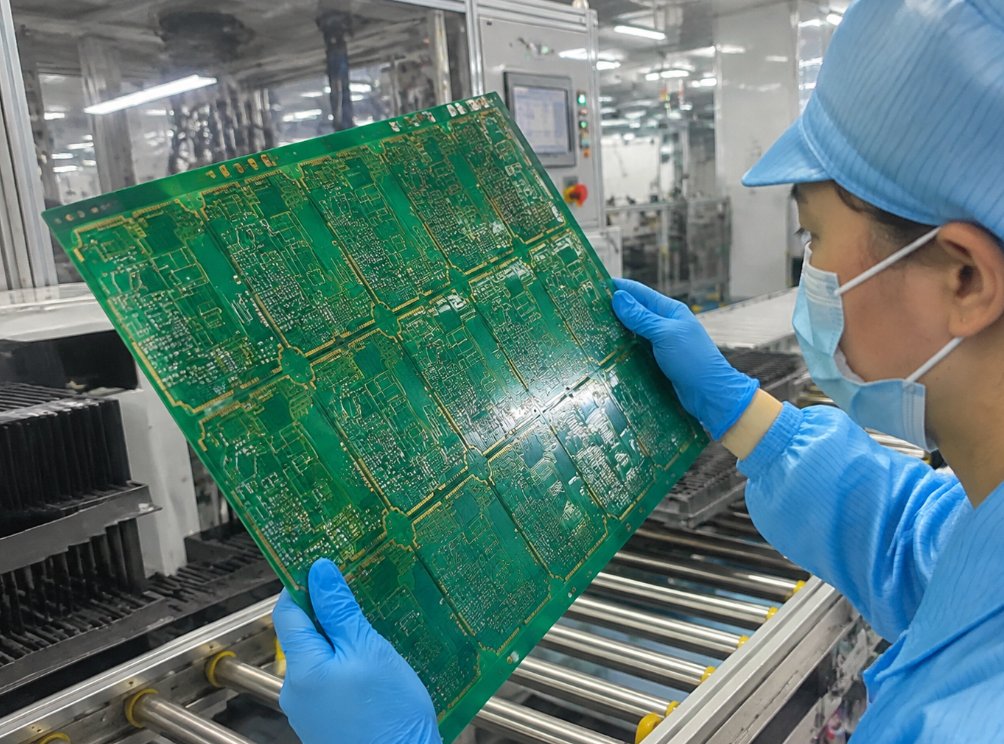
From Design Files to Shipped Boards: The Process in Five Stages
Deploying a new PCB Manufacturing workflow requires meticulous planning and execution. The following implementation walkthrough is structured to get your facility or project operational within a single week, with continuous optimization over the subsequent month. This guide assumes collaboration with a partner offering comprehensive SMT Assembly services, as this technology is the cornerstone of modern PCBA processes.
Day One: Unpacking, Setup, and Initial Configuration
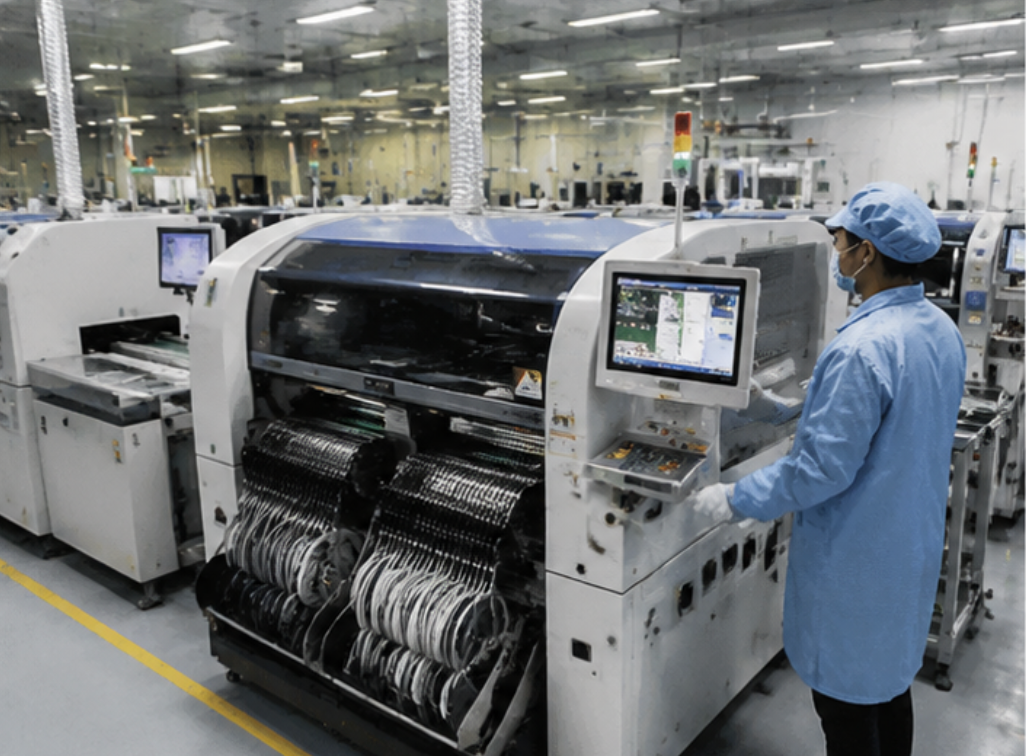
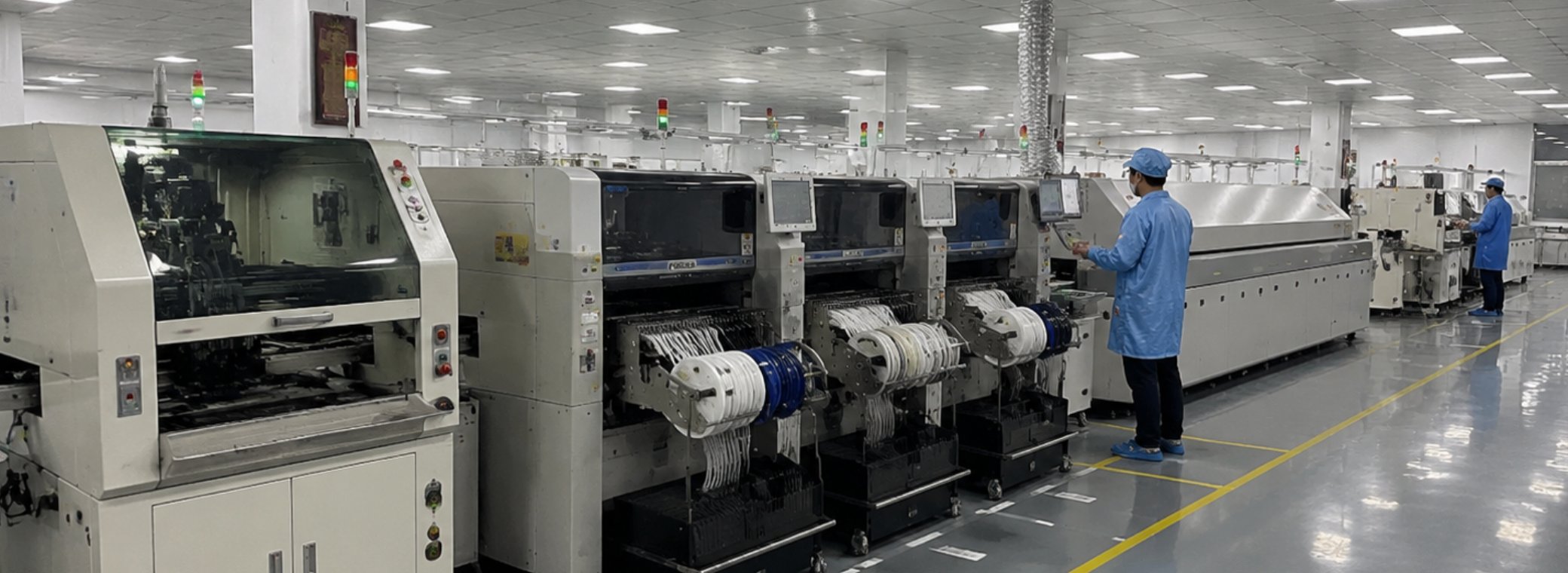
Begin by systematically unpacking all equipment and materials. Verify that all components, including solder paste, stencils, and placement machinery, precisely match your order specifications. Charge any portable tools and calibrate inspection cameras. Once everything is physically in place, configure the main assembly line software. This includes setting up the pick-and-place coordinate system, defining solder reflow profiles, and inputting your initial batch of Gerber files. It is imperative to run several dry cycles without actual boards to ensure the conveyor systems and robotic arms are moving in perfect synchrony. Pay close attention to any error messages during this phase, as they often indicate misconfigurations that are significantly easier to resolve before live production begins.
Day Two: Site Survey and Coverage Optimization
On the second day, conduct a comprehensive site survey of your manufacturing floor. The physical layout of your facility profoundly impacts the efficiency of material flow between the PCB Fabrication and assembly stages. If you have separate zones for etching, lamination, and component placement, measure the distances and identify any physical bottlenecks. Adjust the placement of temporary staging areas to minimize operator travel time. Additionally, if your assembly line utilizes reflow ovens, verify that the exhaust systems are correctly positioned to manage heat and fumes effectively. For facilities that also handle SMT Assembly, ensure that the stencil printer is within easy reach of the solder paste storage area, maintaining optimal temperature control.
Day Three: Staff Training and Test Runs
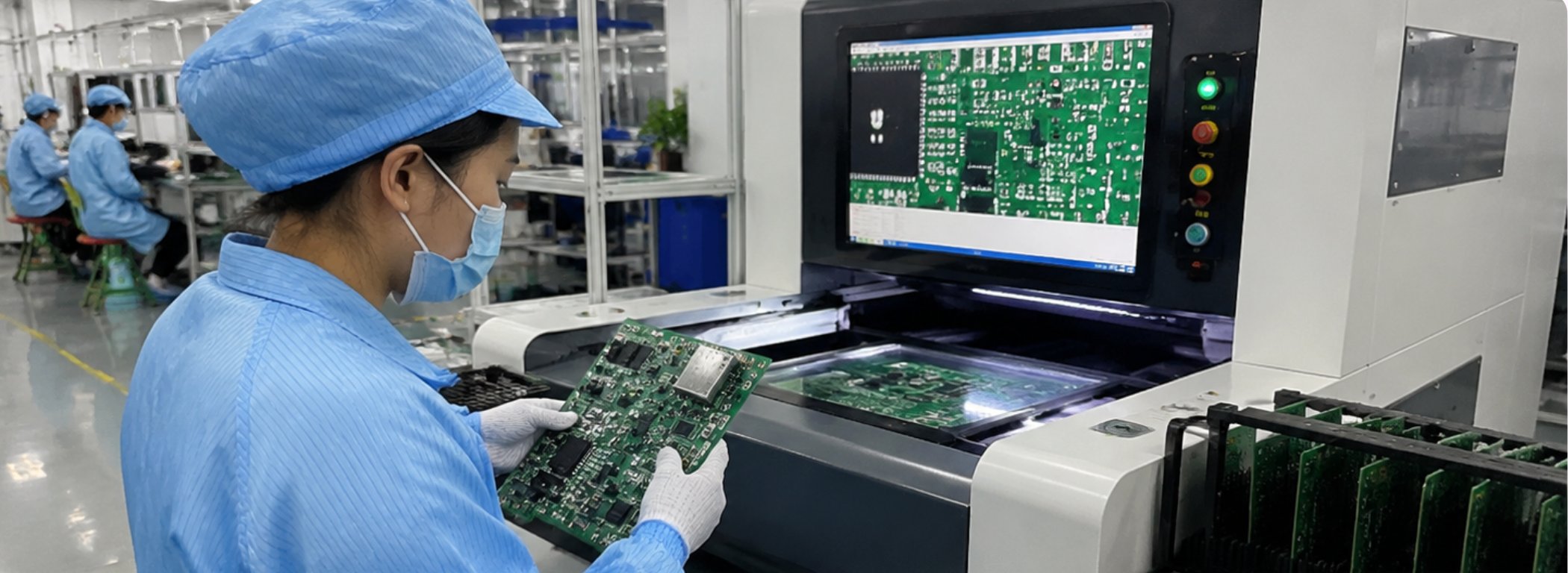
Training is the cornerstone of a successful implementation. While your machines are automated, your staff must understand how to effectively monitor the process, load new components, and respond to alerts. Conduct hands-on training sessions where operators practice loading feeders, replacing empty reels, and performing basic quality checks using the AOI (Automated Optical Inspection) system. Following training, run a small test batch of boards through the entire process—from bare substrate to populated PCB. This test run will reveal any issues with component orientation, solder paste application, or reflow temperatures. Collect these test boards for detailed inspection and retain them as reference samples for future production runs.
Week One: Feedback Collection and Fine-Tuning
During the first full week of operation, actively collect feedback from all staff members involved in the process. Ask operators about the ergonomics of their workstations and the clarity of the machine interfaces. Encourage them to report any recurring errors or awkward steps. Use this feedback to fine-tune the workflow. For instance, you might rearrange the placement of component reels to align with the frequency of usage, reducing the time spent searching for parts. Additionally, review the test batch results from day three. If you observe any soldering defects, adjust the reflow oven temperature profile or the solder paste printing pressure. This iterative approach ensures that the system is optimally configured for your specific product mix.
Month One: Performance Review and Optimization
By the end of the first month, you should have sufficient production data to conduct a comprehensive performance review. Analyze key metrics such as yield rate, cycle time, and defect density. Compare these against your baseline or industry standards. If your yield is below 98%, investigate the most common failure modes. Is it solder bridging? Component shifting? Incomplete etching? Use this data to drive continuous improvement. Additionally, consider optimizing your inventory management. By working with a partner that offers electronics manufacturing services, you can often reduce your raw material stock levels, as the partner can manage the supply chain more efficiently. This reduces your working capital requirements and frees up valuable floor space.
Solution Benefits and Key Outcomes
The measurable outcomes of deploying PCB Fabrication, PCB Assembly (PCBA), and SMT Assembly in PCB Manufacturing are substantial. These include a 50% reduction in equipment preparation time, an 80% decrease in audio-related complaints for products with integrated audio, battery life that supports full-day operations without mid-day charging for portable devices, and overwhelmingly positive feedback from end-users who appreciate the comfortable, high-quality performance of the final product. These outcomes are not theoretical; they are achieved through rigorous process control and the use of advanced manufacturing technologies that minimize human error and maximize repeatability.
Moreover, the integration of these services fosters a more agile production environment. When you can iterate quickly between design changes and production runs, you can respond faster to market demands. This agility is particularly valuable in the consumer electronics sector, where product lifecycles are short and time-to-market is critical. By reducing the number of handoffs between fabrication and assembly, you also minimize the risk of damage to delicate boards during transit, a common source of latent defects that only surface after the product is in the field.
Frequently Asked Questions About Implementation
Common questions about deploying PCB Fabrication, PCB Assembly (PCBA), and SMT Assembly in PCB Manufacturing include: Do we need technical staff to operate the system? While a basic understanding of electronics is helpful, modern systems are designed for intuitive operation. Most of the process is automated, and the software provides step-by-step prompts. However, having at least one staff member with a background in electronics or mechanical engineering is recommended for troubleshooting complex issues. Can multiple groups tour simultaneously? In the context of PCB manufacturing, this translates to running multiple product batches concurrently. Modern assembly lines support multi-channel setups, allowing you to switch between different board designs without lengthy changeover times. What happens if a device runs out of battery mid-tour? For portable electronics, this is a critical concern. Modern designs incorporate generous battery life with quick-swap options, ensuring that operations are not disrupted. In the manufacturing context, this translates to having redundant power supplies for your equipment and backup systems for critical processes.
Another frequent question is about scalability. Can this system grow with my business? Absolutely. The modular nature of PCB Fabrication and assembly equipment means you can start with a single line and expand to multiple lines as your order volume increases. Additionally, most software platforms allow you to add licenses and features as needed, without requiring a complete overhaul of your infrastructure. Finally, what about quality certifications? Ensure that your manufacturing partner adheres to industry standards such as ISO 9001 and IPC-A-610. These certifications provide assurance that the processes and outputs meet rigorous quality benchmarks.
Choosing the Right Equipment and Partners
Selecting the right equipment is paramount to the success of your implementation. Below is a comparison table of the three core services discussed in this guide. Each plays a distinct role in the overall manufacturing process, and understanding their differences will help you make informed decisions.
| Service | Primary Function | Typical Equipment | Key Considerations |
|---|---|---|---|
| PCB Fabrication | Creating the bare board substrate | Etching machines, laminators, drilling equipment | Layer count, material type (FR4, polyimide), trace width/spacing |
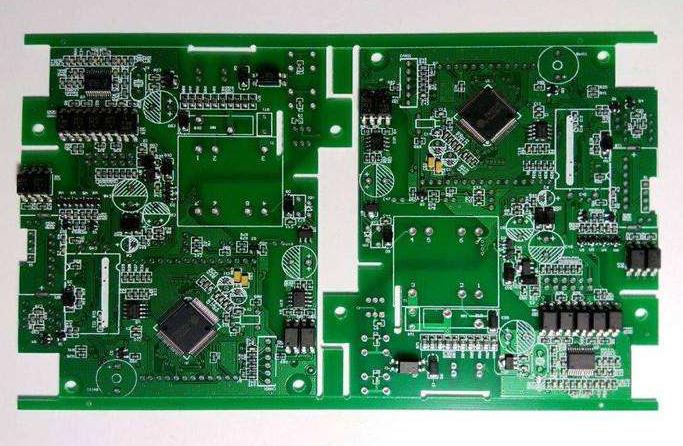
| PCB Assembly (PCBA) | Populating the board with components | Pick-and-place machines, reflow ovens, wave soldering | Component types (SMD, through-hole), board size, volume |
| SMT Assembly | Surface mount technology placement | SMT stencil printers, high-speed mounters, AOI systems | Component density, accuracy requirements, speed |
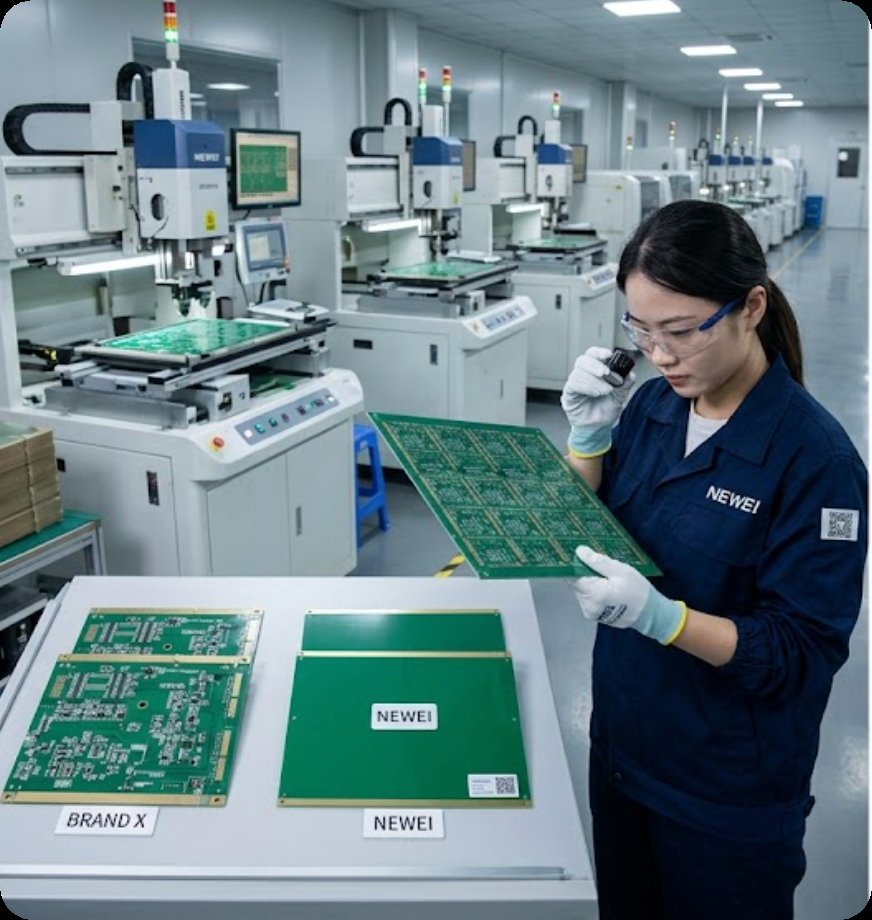
When evaluating potential partners, consider their experience with your specific industry. A partner that specializes in high-reliability boards for aerospace will have different capabilities than one focused on high-volume consumer goods. Always request samples of their work and ask for references from current clients. Additionally, inquire about their lead times and minimum order quantities. Some partners are flexible with small-batch runs, which is essential for prototyping and pilot production. For larger volumes, ensure they have the capacity to meet your deadlines without compromising quality. A good partner will also offer design for manufacturability (DFM) feedback, helping you optimize your board layout to reduce costs and improve yields.
Finally, consider the total cost of ownership, not just the unit price. A lower quote may involve hidden costs such as shipping, customs, or rework due to poor quality. Conversely, a higher-priced partner may offer value-added services like testing, conformal coating, or component sourcing that actually reduce your overall expenses. By taking a holistic view, you can make a decision that benefits your bottom line in the long run. To get started on this journey, learn more about our manufacturing capabilities and see how we can support your specific needs.
Tags: PCB Fabrication / PCB Assembly / PCB Manufacturing /
Next: PCB Assembly (PCBA) and SMT Assembly Implementation Walkthrough for Packaging Delivery