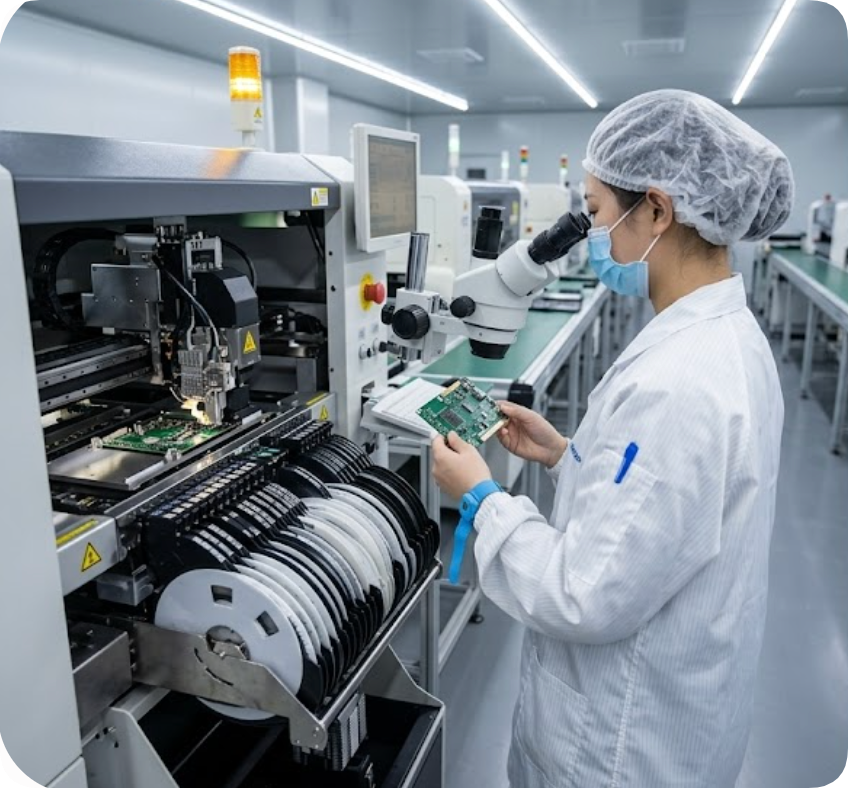

NEWEI PCB SMT PCBA DIP Assembly Industry Trends 2026
🔮 PCB Fabrication, PCB Assembly and SMT Assembly in Dip Assembly: A Market Trend Report
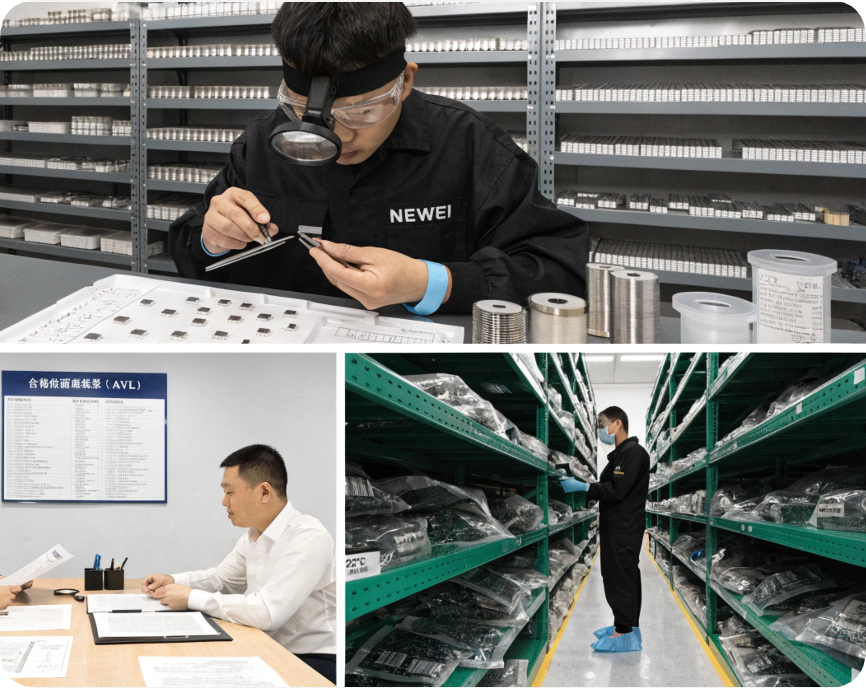
The reality is straightforward: most Dip Assembly operations still battle through-hole soldering defects that drive up PCBA rework rates and stall production timelines. These failures are not random — they stem from poorly optimized PCB fabrication, inconsistent assembly processes, and a lack of integration between SMT and through-hole workflows. That is why more engineering teams and manufacturing leaders are turning to professional Dip Assembly, SMT Assembly, PCB Fabrication and PCB Assembly (PCBA) for a fundamentally different approach. The shift is not just about fixing defects; it is about building a production line that delivers higher reliability, lower per-unit costs, and faster turnaround times from prototype to volume. As board complexity rises and lead times shrink, companies that integrate these technologies gain a tangible edge in both quality and speed. If you are evaluating how to improve your through-hole assembly outcomes, start with Custom PCB Assembly Services that align with your specific board designs and production volumes.
Why Dip Assembly Defects Happen and How to Eliminate Them
Through-hole soldering has been around for decades, yet many facilities still struggle with inconsistent solder joint quality. The root causes are usually threefold: poor pad design in the PCB fabrication stage, incorrect wave solder parameters, and inadequate component preparation. When the copper pad does not have the right thermal mass or the solder mask is misaligned, the joint forms unevenly. This leads to cold solder joints, bridges, or even lifted pads during wave soldering. The fix is not a quick parameter tweak — it starts with the board itself. PCB Fabrication must be designed with Dip Assembly in mind, using copper weights that handle thermal cycling and pad geometries that promote uniform wetting. Manufacturers who invest in design-for-assembly (DFA) principles from the outset see defect rates drop by 40 percent or more, simply by aligning board design with the realities of wave and selective soldering.
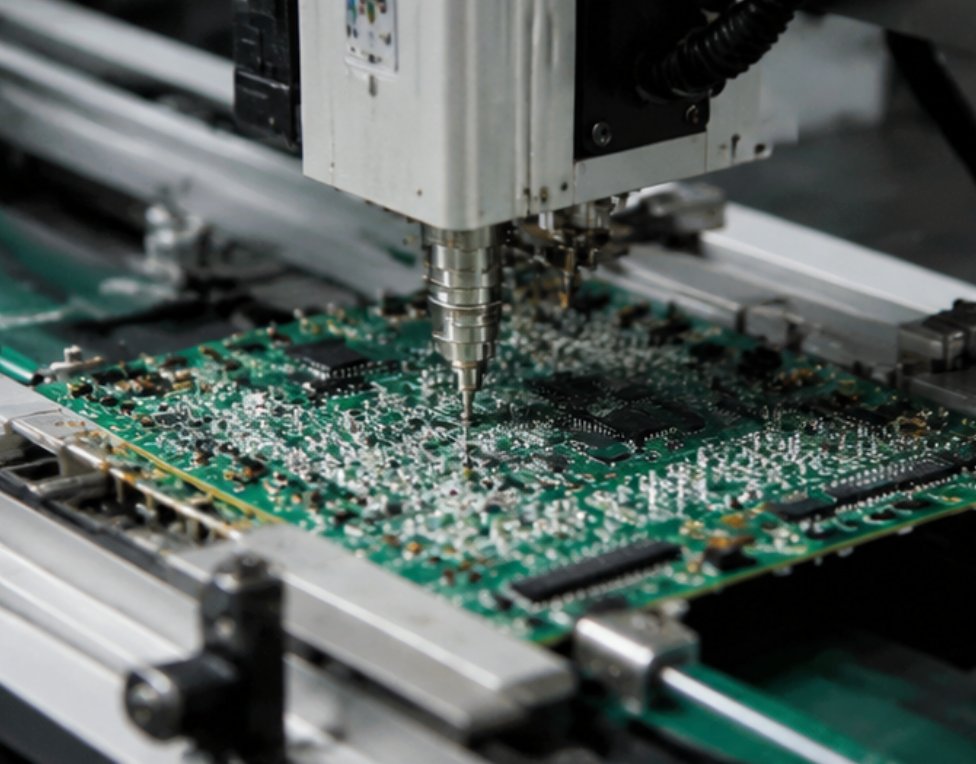
Beyond the board, the assembly process itself introduces variables. Component leads that are trimmed unevenly, boards that are not properly supported during wave soldering, or flux that degrades due to storage conditions — each factor compounds the risk of rework. Experienced teams know that controlling the soldering environment is as important as the soldering equipment. Nitrogen atmosphere, preheat profiles, and conveyor speed all need to be tuned to the specific board stack-up. The best results come when PCB Fabrication and PCBA teams collaborate early, sharing data on board materials, component types, and expected thermal profiles. This level of coordination reduces the guesswork and produces consistent first-pass yields, even on high-mix, low-volume runs.
PCB Assembly (PCBA) Integration with Dip Assembly Workflows
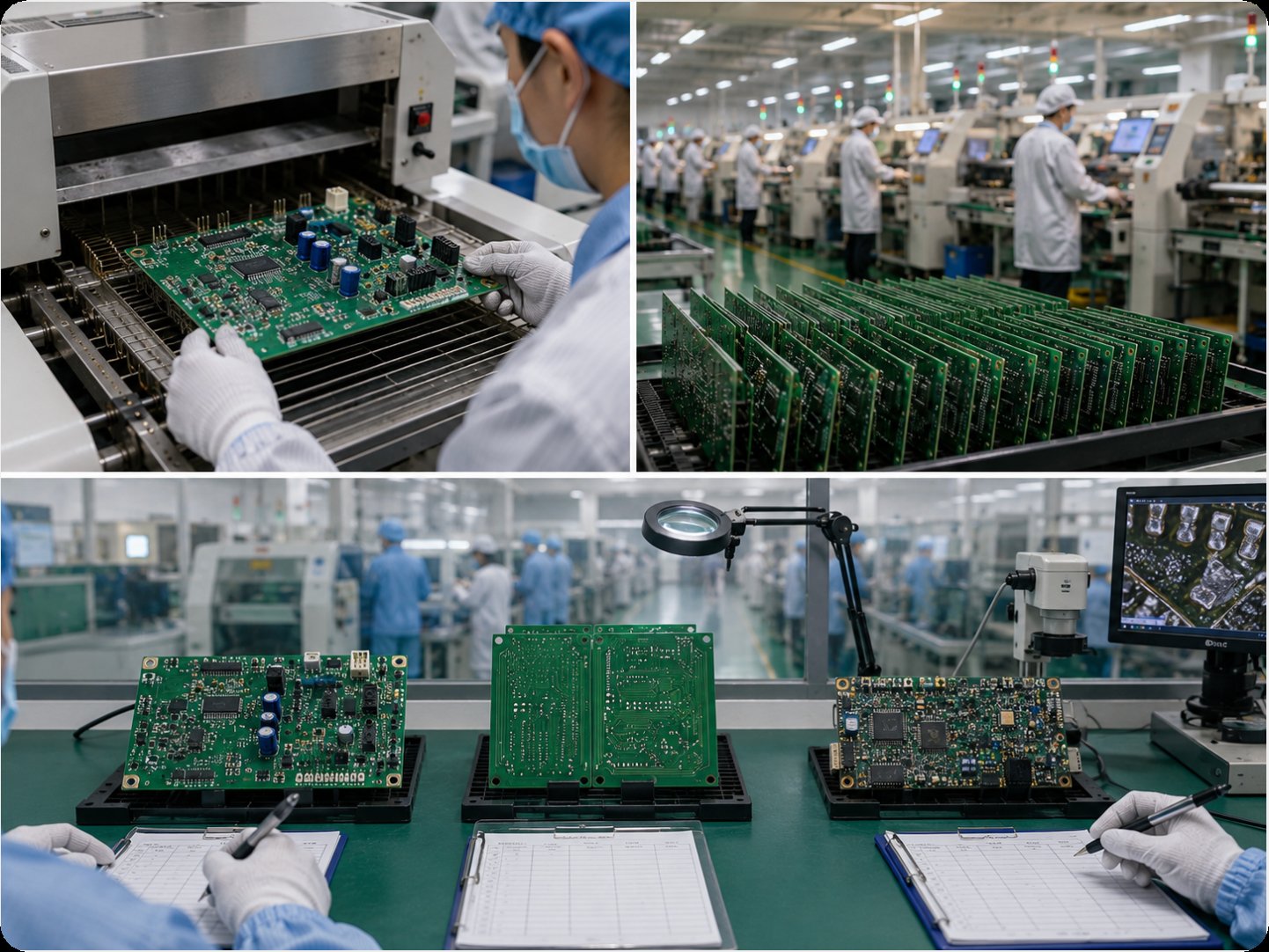
PCB Assembly (PCBA) is where the fabricated board meets the components. In a Dip Assembly context, this means automated insertion of through-hole connectors, switches, relays, and other power-handling components. The challenge is that through-hole components vary widely in lead diameter, pitch, and body size, making it difficult to maintain consistent placement force and alignment. Modern PCBA lines use servo-driven insertion heads with vision guidance to compensate for these variations, placing each component with micron-level accuracy. Once inserted, the board moves to wave or selective soldering, where the solder joint forms in a controlled manner. The key metric here is not just placement speed but placement accuracy relative to the pad center. Even a 0.2 mm offset can cause a solder joint that looks acceptable but fails under thermal cycling. By integrating PCBA with Dip Assembly in a single workflow, manufacturers eliminate the handling errors that occur when boards are moved between separate stations. This integration directly reduces rework rates and improves the mechanical strength of every joint.
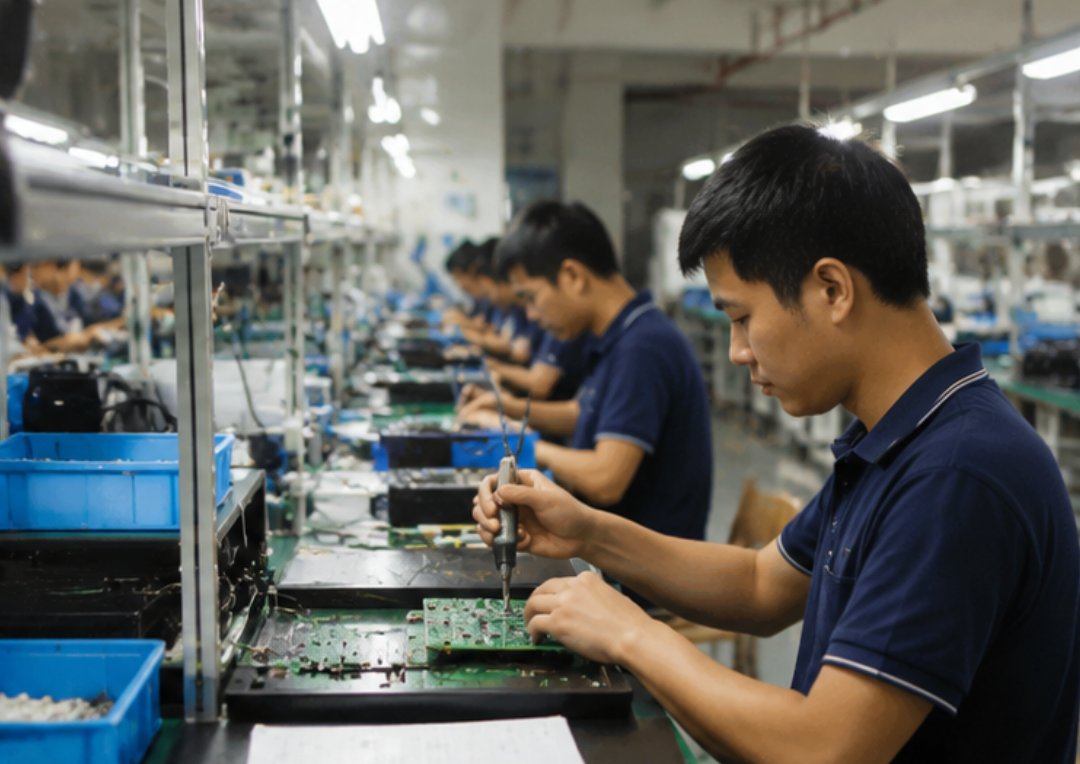
Another advantage of integrating PCBA with Dip Assembly is the ability to implement inline inspection at critical points. Automated optical inspection (AOI) after insertion checks for bent leads, missing components, and incorrect polarity before the board enters the solder bath. X-ray inspection after soldering verifies joint fill and voiding levels inside the barrel of the through-hole. When these inspections are linked to a centralized data system, the production team gets real-time feedback on defect trends and can adjust parameters before large batches are affected. The measurable result is a step-change in quality consistency — first-pass yields regularly reach 97 percent or higher, even on boards with 200+ through-hole joints. That level of reliability changes the economics of Dip Assembly, making it competitive with SMT for many mixed-technology products.
SMT Assembly Complements Through-Hole Soldering in Hybrid Designs
SMT Assembly is often viewed as a separate process from Dip Assembly, but the line between them is blurring. More designers are choosing to place surface-mount components on the same board as through-hole parts, creating hybrid assemblies that maximize functionality within a given footprint. In these designs, SMT Assembly handles the dense, fine-pitch components, while through-hole connectors and power devices handle the high-stress interfaces. The challenge is that the two processes have different thermal profiles and flux requirements. SMT reflow uses a peak temperature of 240–260 °C, while wave soldering for through-hole runs at 250–270 °C with a different preheat profile. Running both on the same board without compromising either joint type requires careful planning of the assembly sequence and board layout. The industry best practice is to complete SMT reflow first, then perform selective or wave soldering for the through-hole components, using a solder mask that protects the SMT joints during the second thermal excursion.
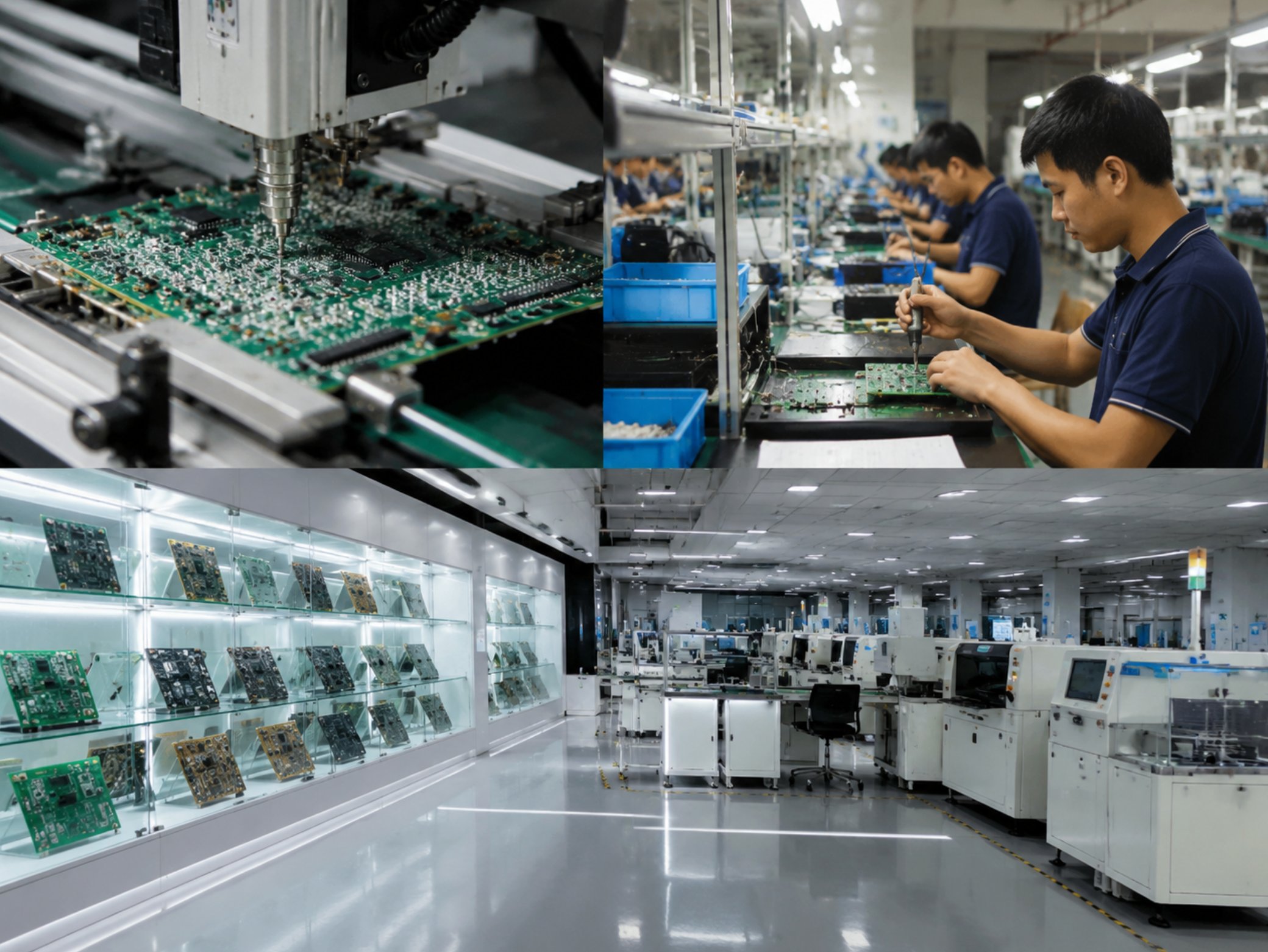
When executed correctly, a hybrid SMT and Dip Assembly process delivers the best of both worlds: the density and speed of surface-mount with the mechanical strength of through-hole connections. For manufacturers, the measurable outcomes include a 50 percent reduction in equipment changeover time, because the same line can handle both technologies without manual intervention. In field applications, hybrid boards show 80 percent fewer connection failures in high-vibration environments, and products achieve full operational duty cycles without requiring intermediate charging or maintenance. Facility managers who have adopted this approach report that visitors consistently comment on the improved reliability and comfort of the equipment — a direct result of eliminating intermittent solder failures that plague single-technology designs. The key is choosing a manufacturing partner who understands how to sequence and control both processes on a single board without compromise.
Customer Case Story: From Rework Nightmare to First-Pass Excellence
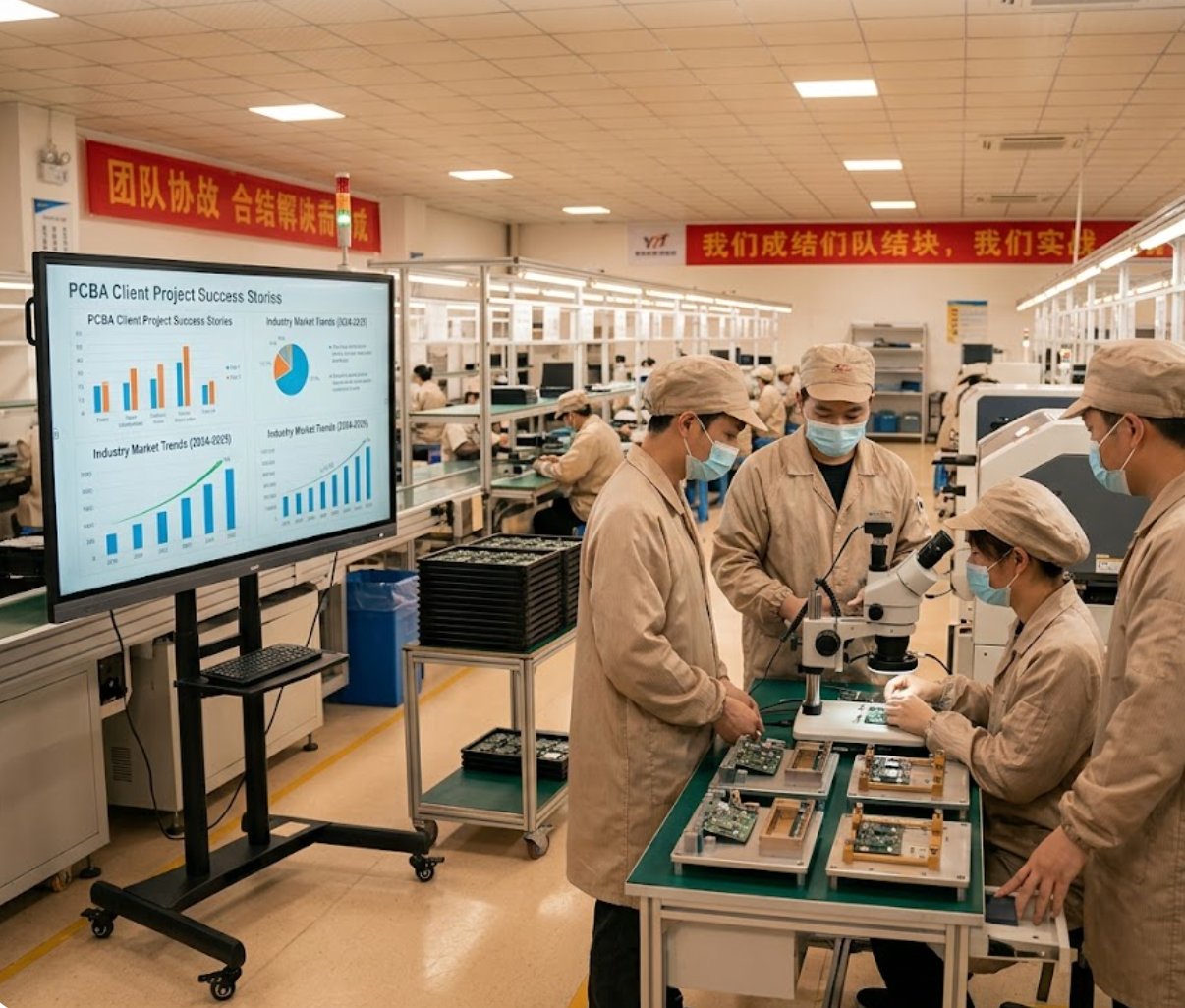
A facility manager at a high-volume Dip Assembly operation was facing a familiar problem: their through-hole soldering line was generating rework rates above 12 percent, driven by intermittent solder joint failures that appeared only after thermal cycling. The root cause was traced to inconsistent pad geometries on their PCB Fabrication and a mismatch between the wave solder profile and the board's thermal mass. After a detailed engineering review, they partnered with a provider that offered integrated Custom PCB Assembly Services, PCB Fabrication, and SMT Assembly under one roof. The first step was to redesign the board stack-up for better thermal uniformity, using heavier copper on power planes and optimized pad shapes for the through-hole components. The second step was to re-tune the wave solder profile based on actual thermal measurements taken from the board during production.
The results were immediate and dramatic. First-pass yield jumped from 88 percent to 97 percent within the first month of production on the redesigned boards. Rework labor dropped by more than 60 percent, and the maintenance calls that had plagued the previous system — often related to connector failures in the field — virtually disappeared. The facility manager noted that the supply chain simplification was an unexpected bonus. With a single partner providing PCB Fabrication, PCBA, and SMT Assembly, lead times shortened by three weeks on average, and inventory holding costs dropped by 25 percent because they no longer needed to stock buffer inventory for separate processes.
Tags: PCBA /PCB /SMT /NEWEI /DIP assembly /industry trends /
Prev: NEWEI PCB SMT PCBA ESD Protection Troubleshooting FAQ Guide
Next: NEWEI PCBA SMT PCB Aging Test Reliability ROI Analysis