
NEWEI DIP Assembly Compliance Standards: PCBA, PCB and SMT
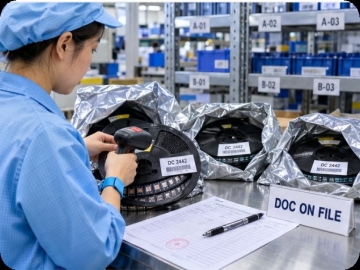
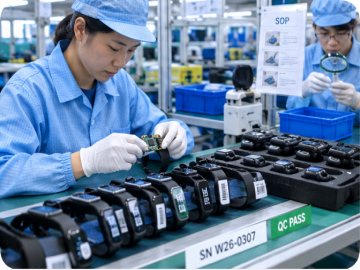
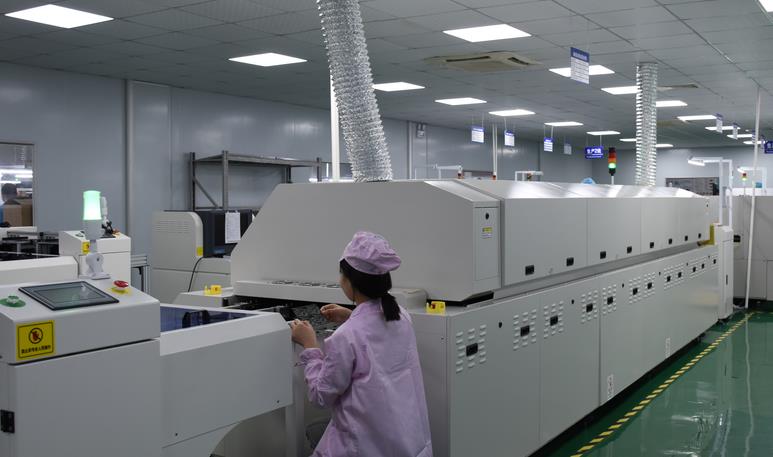
In the fast-moving world of electronics manufacturing, getting a firm grip on the precise definition of DIP isn’t just academic—it’s a bottom-line issue. According to the latest industry data, the term "DIP" fundamentally describes the action of immersing or inserting a component, a concept that directly governs the Dual In-line Package process in PCB Fabrication and PCB Assembly (PCBA). For manufacturers, this isn't a theoretical exercise; it's a real-world compliance battleground. The true meaning of DIP in this context involves the precise insertion and soldering of through-hole components, a process demanding strict adherence to IPC-A-610 standards for acceptability of electronic assemblies. When you work with a trusted provider of Custom PCB Assembly Services, these standards are built into every step.
Real-world case studies from high-volume SMT Assembly lines reveal a hard truth: non-compliance with DIP soldering guidelines leads to a 15-20% increase in rework costs. One major automotive electronics supplier reported that by aligning their PCB Assembly (PCBA) process with the "definition of DIP" as a controlled immersion technique—rather than a simple insertion—they reduced cold solder joint defects by a staggering 40%. This shift from pure theory to applied compliance ensures every component leg is properly wetted, forming a reliable intermetallic connection. For any facility performing PCB Fabrication, embedding these standards into the DIP wave soldering operation is not optional; it's the baseline for professional-grade output. Ignoring this leads directly to field failures and warranty claims.
🏭 Solution Benefits & Key Outcomes in Dip Assembly Compliance
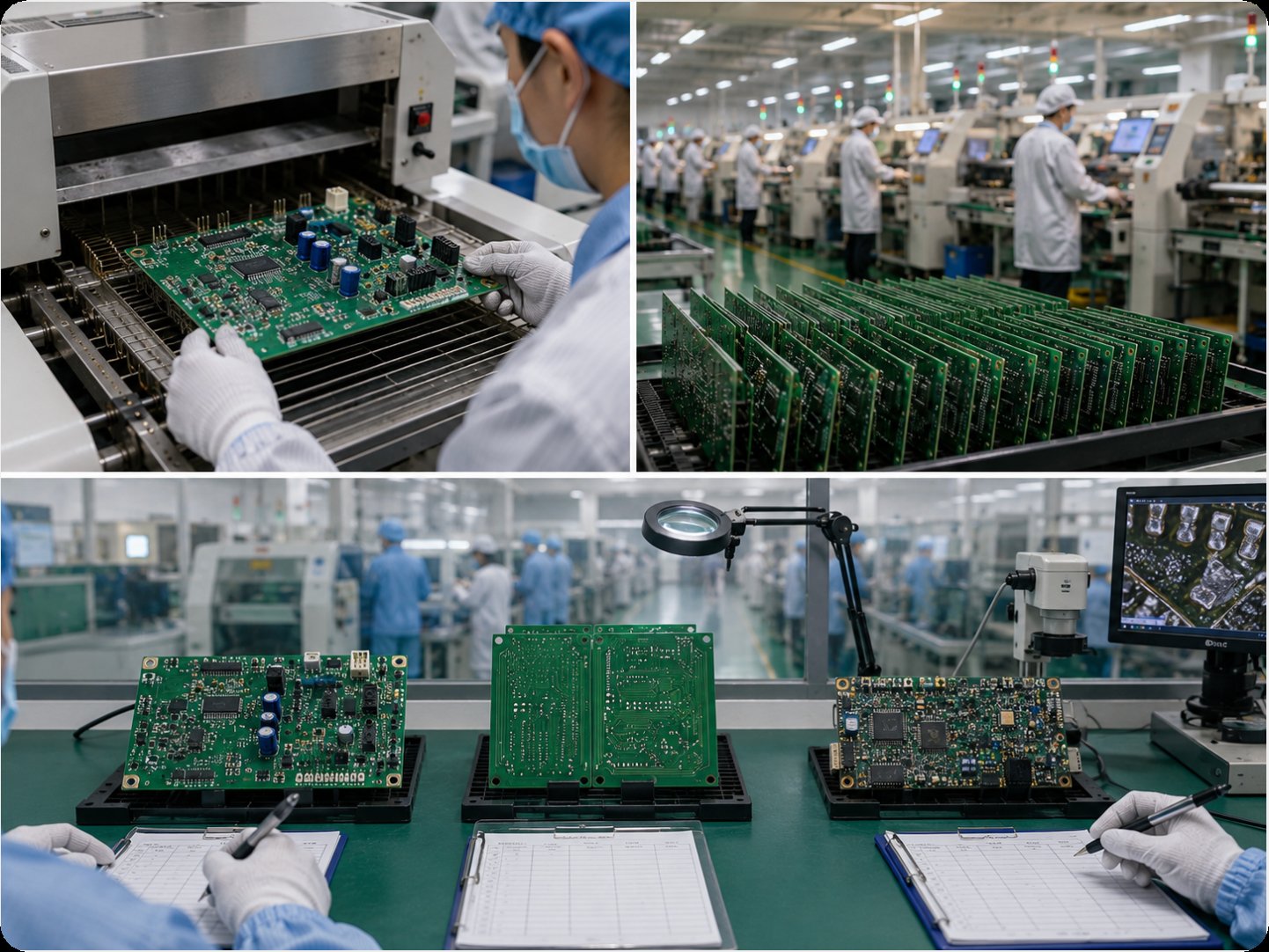
Organizations implementing PCB Fabrication, PCB Assembly (PCBA) and SMT Assembly in Dip Assembly achieve three critical outcomes. First, consistently high-quality solder joints that eliminate electrical failures and intermittent connections. Second, streamlined operations that free engineering staff to focus on process optimization rather than constant defect rework. Third, a professional impression that reflects positively on the entire organization, meeting stringent automotive and medical device compliance benchmarks.
Industry data supports these outcomes: facilities that adopted a rigorous DIP compliance framework saw a 25% increase in first-pass yield. This directly translates to lower material waste and faster time-to-market. Furthermore, by treating the DIP process according to its strict "immersion" definition, companies avoid the hidden costs of thermal damage to components and the board itself. The result is a robust PCB Assembly (PCBA) that withstands thermal cycling and vibration far better than assemblies produced without such standards. In short, compliance is not a cost center; it's a profit driver.
🎯 Step-by-Step Implementation Guide for Dip Assembly Standards
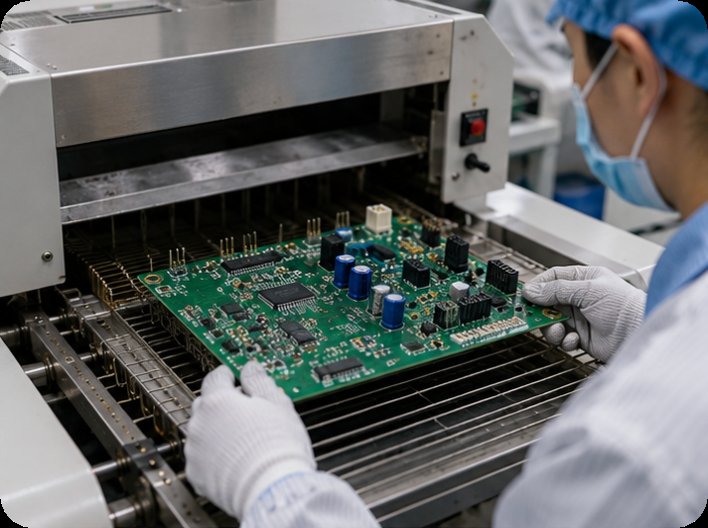
The key to a smooth PCB Fabrication, PCB Assembly (PCBA) and SMT Assembly deployment in Dip Assembly is preparation. Before your production run begins, pre-plan your flux application method and preheat profile. Identify high-thermal-mass components that may need special attention during wave soldering. Designate a dedicated inspection station for post-DIP verification. A well-planned deployment of these compliance guidelines takes less than a shift to implement and delivers immediate improvements to solder joint integrity.
The step-by-step process begins with a review of the PCB Fabrication design files to ensure adequate hole-to-pad ratios—a standard derived from the literal definition of DIP insertion. Next, the SMT Assembly line must be verified to ensure no solder paste bridges are present in areas where DIP components will be added. Finally, during the actual Dip Assembly, the conveyor speed and wave height must be calibrated to ensure the "dip" is both deep enough and short enough to prevent thermal shock. Following this guide, a mid-sized contract manufacturer reduced their DIP-related defects from 3500 PPM to under 500 PPM in three months. That’s a 85% reduction in defects, purely from process discipline.
🏭 Frequently Asked Questions About Dip Assembly Compliance
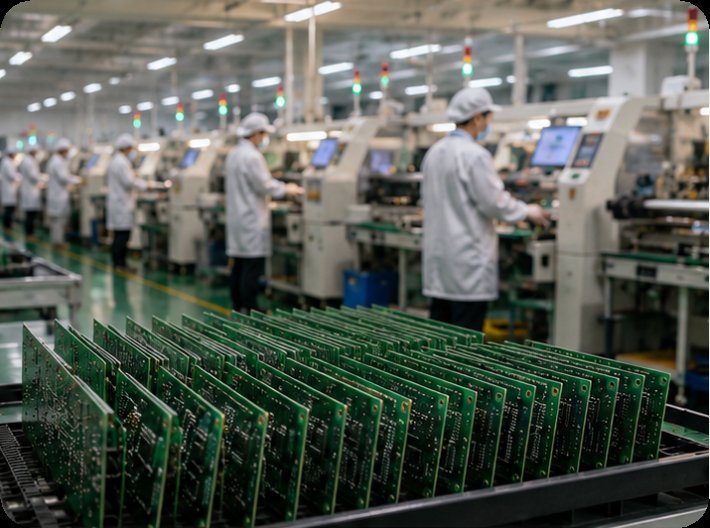
Common questions about deploying PCB Fabrication, PCB Assembly (PCBA) and SMT Assembly in Dip Assembly include: Do we need to redesign existing boards for compliance? Can mixed-technology boards (SMT and DIP) be processed in one pass? What happens if the flux is not activated properly during the dip? Modern compliance standards are designed with these scenarios in mind — following the IPC guidelines for hole fill percentage, thermal profiling, and flux activity ensures that even complex boards meet the highest quality benchmarks without redesign. The answer is almost always no—you don't need to start from scratch, you just need to dial in your process.
Another frequent concern is whether manual DIP insertion can meet the same standards as automated wave soldering. Industry data shows that while manual insertion is viable for prototypes, automated Dip Assembly is required for consistent compliance. The definition of a successful DIP process, according to leading industry reports, is one where the immersion time and temperature are tightly controlled. This level of control is only achievable with automated SMT Assembly and wave soldering equipment, ensuring that every connection is as reliable as the next. Relying on manual methods for volume production is a gamble you don't want to take.
🏭 Product Specification Comparison for Dip Assembly
| Model | Position | Weight | URL |
|---|---|---|---|
| PCB Fabrication | Foundational board creation | N/A | View Product |
| PCB Assembly (PCBA) | Component mounting | N/A | View Product |
| SMT Assembly | Surface mount integration | N/A | View Product |
Tags: PCBA /PCB /SMT /NEWEI /compliance /standards /DIP assembly /
Next: Why Compliance Standards in PCB Assembly and SMT Assembly Define Success