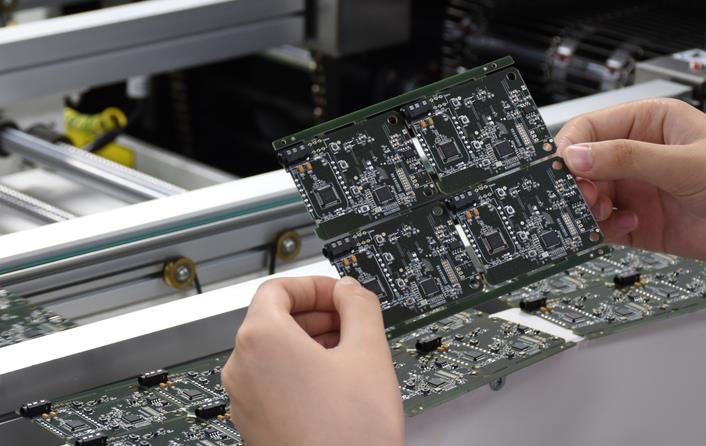

Why Your Industrial PC and Rugged Tablet Prototypes Fail Without Proper PCB Assembly Maintenance
Why Your Industrial PC and Rugged Tablet Prototypes Fail Without Proper PCB Assembly Maintenance
Over the past decade, I've watched countless hardware designs—some brilliant, some merely adequate—get delayed or quietly killed because teams simply didn't respect the role of PCB assembly maintenance during prototyping. The gap between a breadboard that works and a manufactured product that survives the real world is where most projects die. If you're developing an industrial motherboard or a rugged tablet, the difference between a smooth production ramp and a costly, soul-crushing redesign almost always comes down to how you approach the assembly process from day one. At NEWEI, we see this every single week: engineers who obsess over schematic design but ignore the gritty realities of SMT line calibration, stencil tension, and reflow profiling end up with boards that sing in the lab but crash in the field. That's exactly why our dedicated component procurement solutions are built around maintaining strict quality from the very first sourcing step—not just during final testing.
My view: The single biggest mistake I see in custom electronics projects is treating PCB assembly as a simple "plug and play" step. It is not. Proper maintenance of your assembly process — from stencil cleaning to reflow oven profiling — directly determines your yield rate, especially for complex boards like industrial motherboards with dense BGA components. If you skip maintenance checks on your SMT equipment, you are essentially gambling with your entire production run. This is not optional; it is the foundation of reliable manufacturing.
The Hidden Cost of Poor Solder Joint Maintenance in Motherboard Assembly
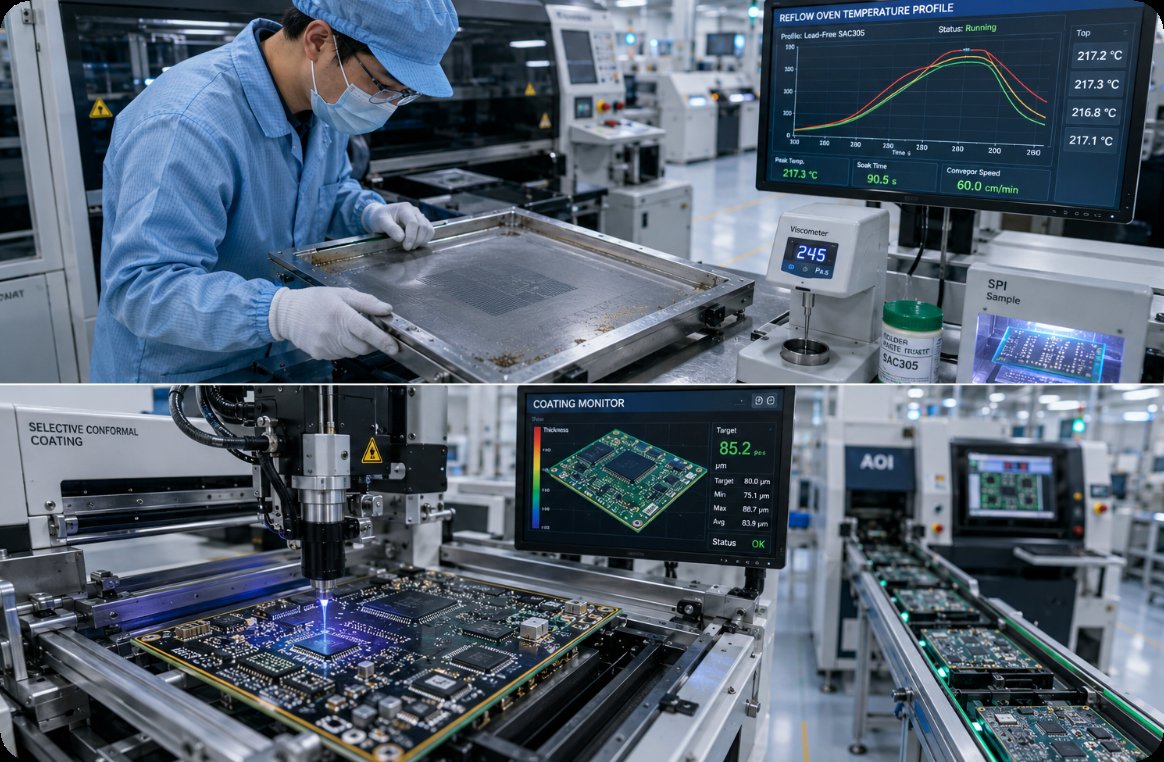
When we talk about PCB assembly maintenance, most engineers immediately think of cleaning or visual inspection. But the real leverage point is in the SMT Assembly process parameters. For a custom industrial PC PCBA project we handled last year, the client's initial prototype had intermittent failures due to tombstoning on 0402 resistors. The root cause? The reflow oven's temperature profile had drifted over three weeks because the thermocouple maintenance schedule was ignored. After we recalibrated the oven and ran a fresh profile using our standard conformal coating and three-proofing process, the defect rate dropped from 8% to below 0.1%. This is not unusual. Maintaining your assembly line is not just about cleaning; it is about verifying that every thermal zone, every solder paste thickness, and every nozzle alignment meets specification. For high-reliability applications like automotive electronics or industrial controllers, skipping these checks is simply not an option.
I often tell clients that a well-maintained SMT line is like a well-tuned engine. You would not drive your car for 50,000 miles without an oil change, yet many manufacturers run thousands of boards without verifying their stencil tension or paste viscosity. At NEWEI, we schedule preventive maintenance on all our SMT Assembly equipment every 200 operating hours. That includes cleaning the stencil, checking squeegee pressure, and verifying the SPI (solder paste inspection) system calibration. This discipline directly translates to higher first-pass yield on complex boards like handheld game console PCBs, where fine-pitch QFN packages require absolutely consistent paste deposition.
Combining Industrial Motherboard and Rugged Tablet Assembly Under One Roof
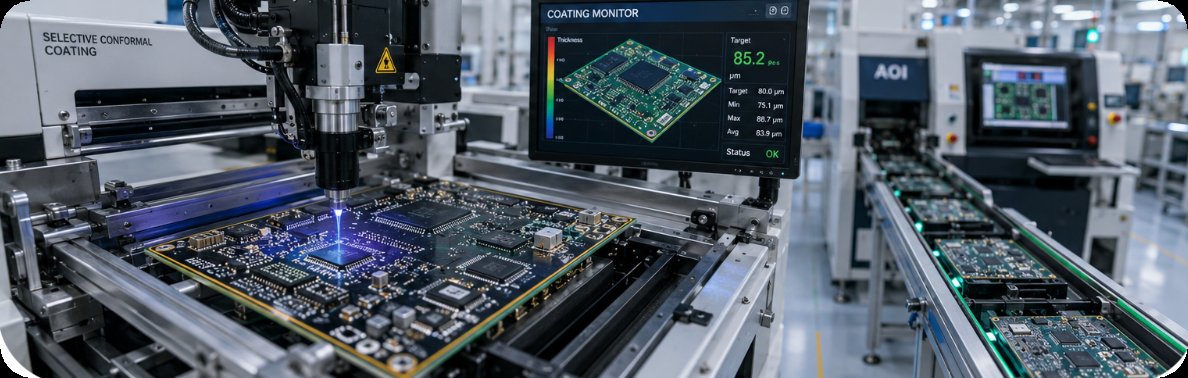
One of the most effective strategies for reducing cost and improving quality is combining multiple products into a single manufacturing flow. For example, a recent project involved producing both a custom PC motherboard and a rugged tablet PCBA simultaneously. These two products share many common processes — solder paste printing, reflow soldering, and functional testing — but they also have unique requirements. The industrial motherboard required thicker copper traces for higher current handling, while the rugged tablet needed full conformal coating for water resistance. By running both products through the same PCB Assembly line with optimized changeover procedures, we reduced setup time by 35% and eliminated a separate coating line. This hybrid approach is only possible when the manufacturer has deep experience with both Industrial PC PCBA and Smart Wearable PCBA assembly techniques, as the thermal profiles and component placement densities differ significantly.
This multi-product approach also benefits from our DIP Assembly capabilities. While the rugged tablet used mostly surface-mount components, the industrial motherboard required through-hole connectors for high-vibration environments. Instead of splitting these between different vendors, we handled both SMT Assembly and DIP wave soldering on the same production floor, with full traceability between steps. The key insight here is that PCB assembly maintenance is not a one-size-fits-all activity. Each product type demands its own maintenance schedule for tooling and fixtures. For the rugged tablet, we replaced the stencil every 5,000 boards because the fine-pitch components wore down the aperture edges. For the industrial motherboard, the wave solder nozzle needed cleaning every 1,500 boards to prevent dross buildup. These details matter, and they are exactly the kind of process discipline that separates a reliable EMS partner from a commodity assembler.
Real-World Applications Where Assembly Maintenance Makes or Breaks the Product
The impact of proper PCB Assembly maintenance extends across many industries. Here are five scenarios where we have seen the difference firsthand:
1. Industrial Automation Controllers: A manufacturer of programmable logic controllers (PLCs) was experiencing field failures after six months of operation. Analysis showed that incomplete cleaning of flux residues underneath BGA packages was causing dendritic growth. After switching to a closed-loop cleaning process with regular bath monitoring, the failure rate dropped to zero. Industrial motherboard assemblies require this level of cleanliness to ensure 10+ year service life in factory environments.
2. Medical Diagnostic Devices: A client developing a portable blood analyzer needed PCB assembly with zero defects because any solder joint failure could produce false readings. We implemented a 100% X-ray inspection regimen for all BGA and QFN joints on their custom board. The key was maintaining the X-ray machine's calibration weekly, not just monthly, to catch subtle voiding patterns early.
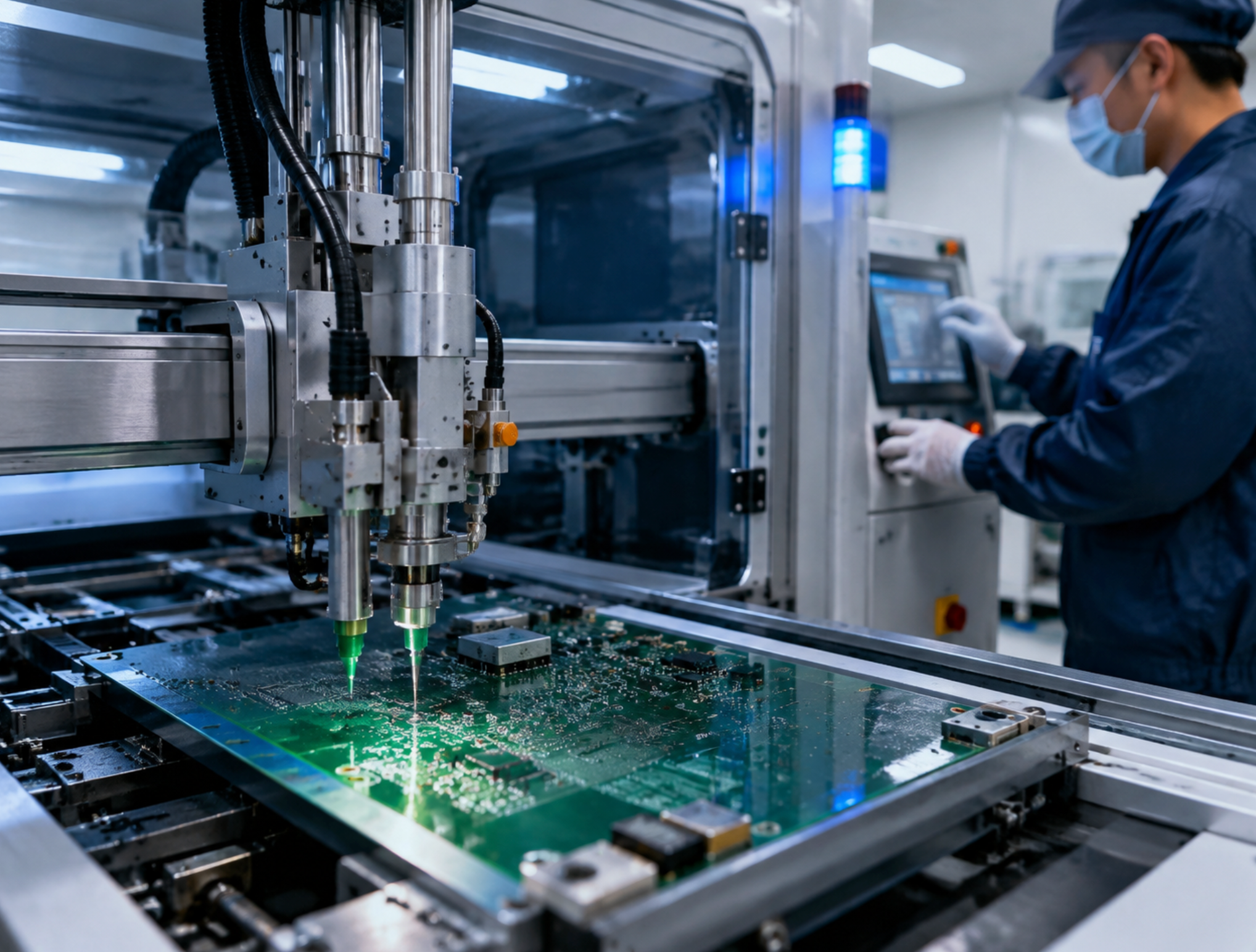
3. Rugged Handheld Terminals: For a logistics company's handheld PDA project, the biggest challenge was ensuring the board survived a 1.5-meter drop test. The solution involved using a thicker PCB substrate and reinforcing all connector solder joints with underfill. But without proper maintenance of the dispensing machine's needle tip, the underfill coverage was inconsistent. Routine needle cleaning and alignment checks solved the problem.
4. Automotive Infotainment Systems: An automotive tier-1 supplier required PCB Assembly for their in-vehicle entertainment modules. The boards had to withstand -40°C to 85°C thermal cycling. We discovered that the reflow oven's conveyor belt speed needed recalibration every month to maintain consistent soak time. This type of SMT Assembly maintenance is critical for automotive-grade reliability.
5. Smart Home IoT Gateways: A smart home company was launching a new smart home PCB product that combined WiFi, Zigbee, and Bluetooth radios on one board. The RF performance was sensitive to solder joint geometry, particularly around the antenna feed points. By maintaining the stencil cleaning frequency at every 10 boards instead of every 50, we achieved consistent RF impedance and passed certification on the first attempt.
How to Choose a PCB Assembly Partner That Prioritizes Process Maintenance
When evaluating an EMS provider for your next custom PC or rugged tablet project, do not just ask about their equipment list. Ask about their maintenance schedule. How often do they calibrate their SPI machines? What is their stencil replacement policy? Do they have a preventive maintenance log you can review? At NEWEI, we publish our maintenance records for every client project, because we believe transparency about process discipline is more valuable than any marketing claim. Our ISO certification is not just a badge; it is a framework for ensuring that every board we assemble meets the same high standard, whether it is a prototype or a production run of 50,000 units.
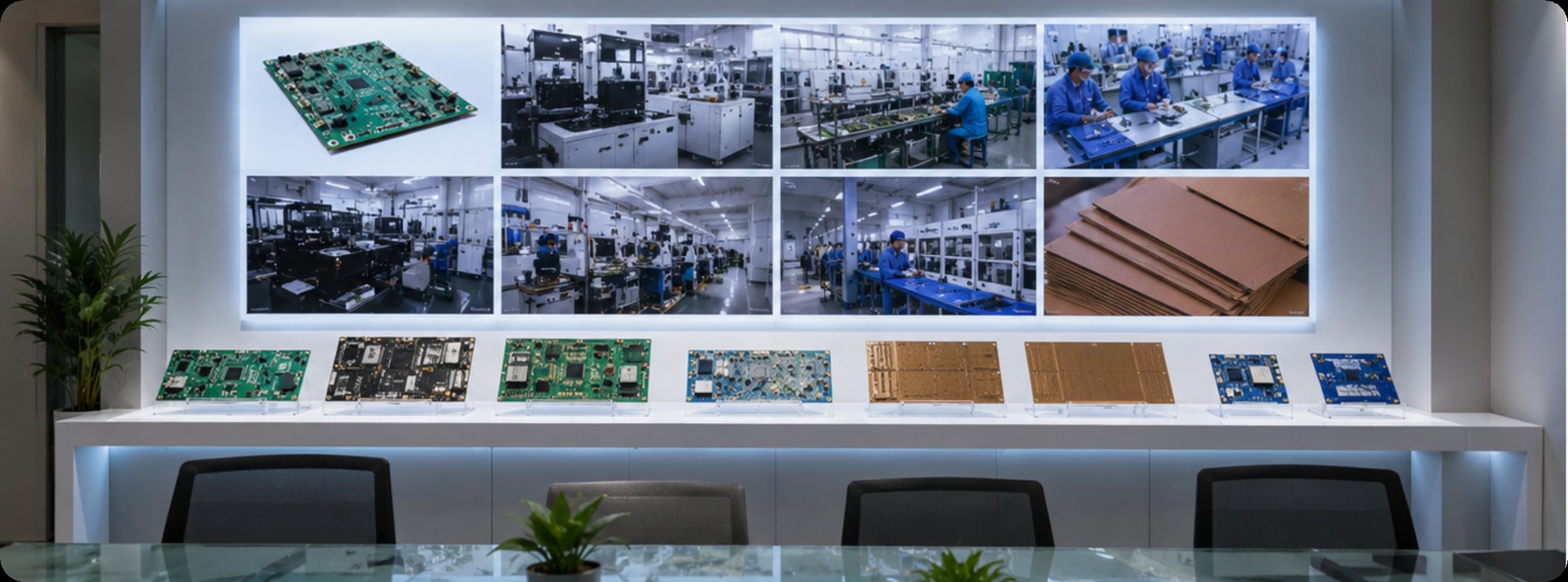
I strongly recommend that you visit the factory floor if possible, or at least request a video walkthrough of the SMT Assembly line. Look for organized tooling storage, clean workstations, and technicians who can explain their maintenance procedures without hesitation. These are the signs of a manufacturer that takes PCB assembly maintenance seriously. If you want to learn more about our manufacturing capabilities, we offer free virtual tours and can share detailed process documentation for your specific product requirements.
At the end of the day, the goal is not just to assemble a board, but to build a reliable product that performs in the field for years. That starts with how you maintain your assembly process. Whether you need industrial motherboard production, rugged tablet assembly, or any other custom electronics manufacturing, choose a partner who treats maintenance as a core competency, not an afterthought. Contact NEWEI today for a free consultation and quotation — we are ready to help you go from prototype to mass production with confidence.
Tags: industrial PCBA /rugged tablet /
Next: ESD Control in PCB Assembly: A Practical Installation & Deployment Guide for ESD-Safe Manufacturing