
Custom Smart Home Products PCB and PCB Fabrication: The Wearable Wave Pushes Three Floor Decisions
Talk to buyers about wearables and smart home devices and you will hear two different product conversations. Walk the factory floor where both get built and they collapse into one, because the bracelet on a wrist and the control board inside a toothbrush now make the same three demands on a line. After years of watching quotes come through our door, my read is blunt: the wearable trend does not show up as a new product catalog. It shows up as three decisions a factory either made years ago or is about to be judged on — how fine a trace it can hold, how fast it can return a sample, and how long it is willing to prove a board before it ships.
Small Boards Are No Longer a Niche Request
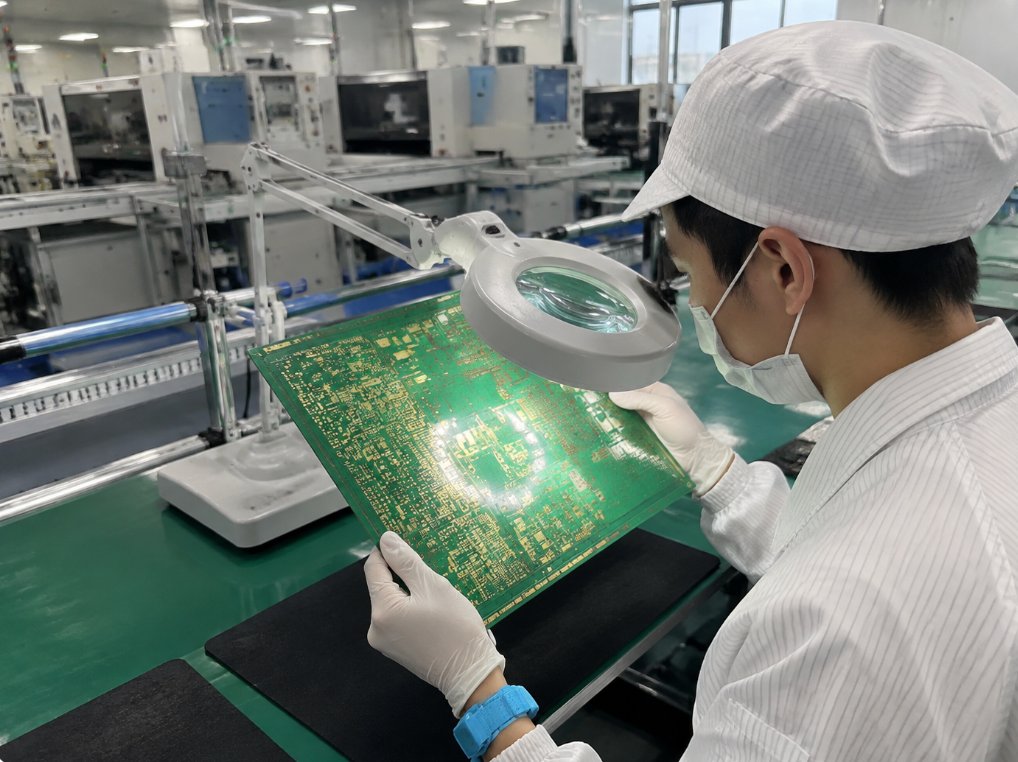
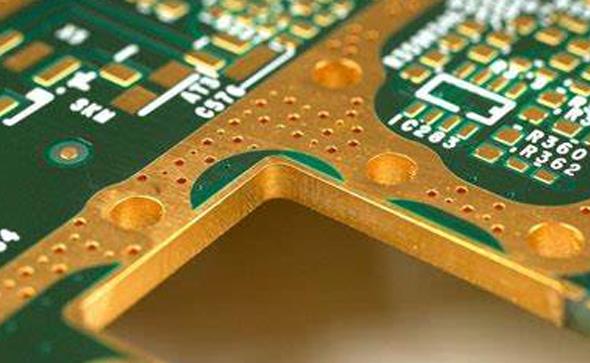
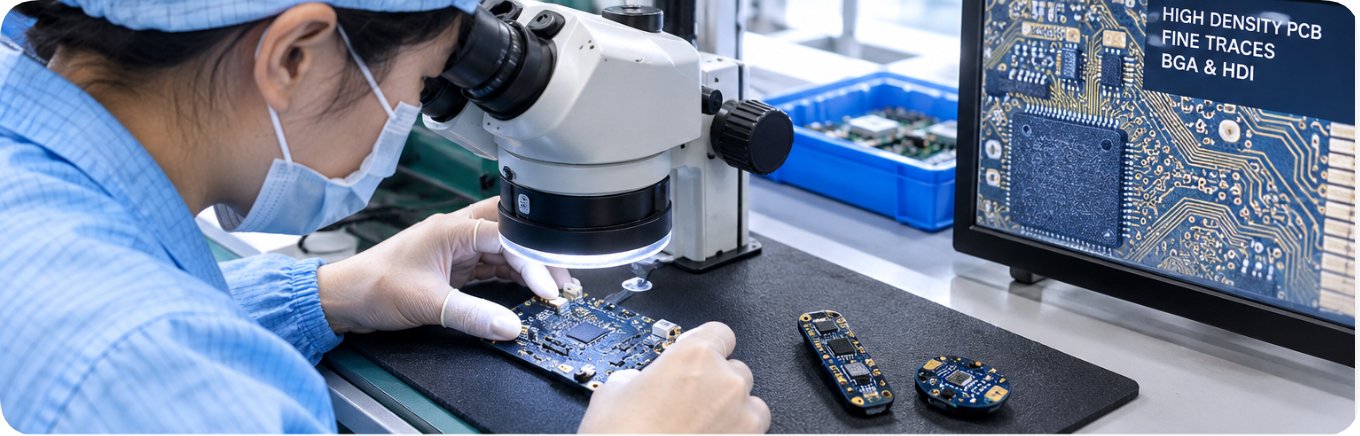
The first demand is physical. A smart bracelet board or a Bluetooth headset board has to fold a radio, sensors, battery management and an antenna keep-away zone into an area smaller than a thumb. Five years ago that described a specialist project; today it describes the mainstream request. The line answer is capability that used to be reserved for premium builds: multilayer stacks from 1 to 36 layers, HDI construction with blind and buried vias, laser drilling, resin plug holes and line width and spacing down to 3mil. Our smart wear PCBA program lives at exactly this end of the range — the VR glasses, massage belt, bracelet and headset boards that pass through it all assume the fine-trace work is routine, not exceptional.
Sampling Speed Became Part of the Order
The second demand is time. Wearable categories move on seasonal refresh cycles, and a buyer who waits two weeks for a prototype has already lost the window the product was designed for. This is why the fastest 24-hour circuit board sampling matters more in this segment than in almost any other: deliver the documents, receive boards in a day, and keep the design loop turning. Just as important is how the sample is made. Many rapid prototyping shops combine more than ten board types into one production panel for cost, which imports quality hazards from strangers' designs. We produce separate samples for each PCB instead, so the board you approve is the board you tested. Every DFM check and process finding comes back in the trial production report at no charge, and quotation follows the Gerber file within an hour in the best case. That is what PCB Fabrication has to mean when the product on top of it refreshes every season.
Proving a Board That Lives Next to a Person
The third demand is trust, and it is the one wearables make hardest. A board inside a set-top box fails in a living room; a board inside a massage belt or a headset fails on skin, next to a battery, mid-session. Reliability arguments that satisfied an industrial buyer do not satisfy the person wearing the product. On our side the answer is continuous aging simulation: products run under specific temperature and humidity conditions for 72 hours up to 7 days, with on-off impact tests worked in, and the performance data recorded so the production process can be corrected rather than merely passed. A medical blood glucose board in our experience went through as many as 500 simulated cycles across roughly 48 hours; tests that cannot be finished in-house go to a cooperative third-party laboratory. The records matter as much as the run itself, because a failure caught in week one of aging is an engineering finding, while the same failure caught by a customer is a refund and a review. This is the stage where aging test data stops being a certificate and becomes the argument that survives a product review.
What the Assembly Floor Absorbs Next
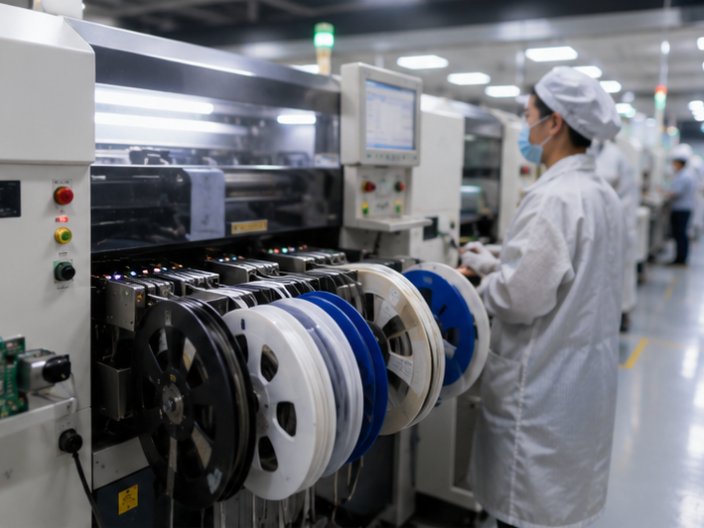
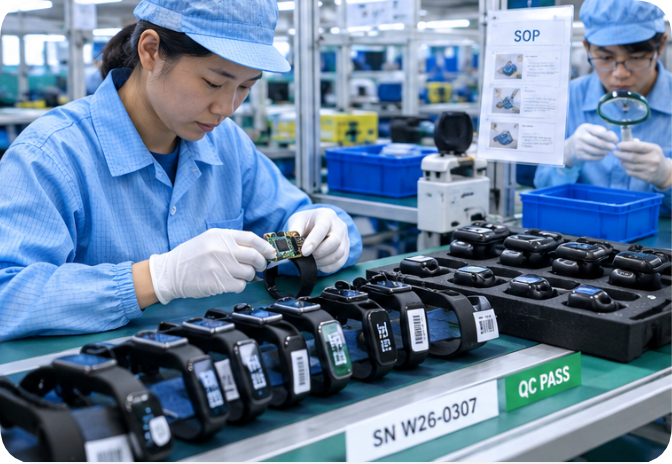
A wearable board rarely ships as a bare PCB. It ships cased, wired and sometimes motorized, which pushes the trend one step further down the floor into product assembly. Putting PCBA together with enclosures, cables and motion parts is manual work with thin margins for error, so the discipline matters more than the equipment list: strict SOP standards at every station, self-inspection by the operator, full inspection by QC, online sampling by QA and OBA sampling before shipment. Around 95 percent of our assembly workers are skilled and each holds one position through structured training, and a barcode system registers every good and bad unit so assembly pass rates stay traceable rather than anecdotal. When a buyer asks why their bracelet came back working after a quarter of field use, the honest answer is usually this unglamorous stack of checks.
A Table of Demands and Line Responses
The pattern across the three decisions is consistent enough to pin above a desk.
| Demand from the market | What it presses on | Line response |
|---|---|---|
| Smaller products, same functions | Trace geometry and layer count | HDI, 1-36 layers, 3mil lines, laser drilling |
| Seasonal refresh cycles | Prototype turnaround | 24-hour sampling, separate samples, free DFM |
| Boards worn or handled daily | Field reliability | Aging runs of 72 hours to 7 days with data records |
None of these rows is optional anymore. A partner can be excellent at one and still lose the program, because the wearable buyer reads all three as one question: can this factory build my product this year, not last year's version of it.
Certifications Quietly Widen Their Reach
The trend also redrew which certificates matter on the sales floor. ISO 9001:2015 remains the baseline everyone expects. What changed is how often the other two come up in first conversations: ISO 13485, the medical device quality standard, now belongs in wearable talks because fitness bands drift toward health monitoring and boards like an oxygen generator unit sit one step from regulated territory. IATF 16949, the automotive standard, surfaces whenever the discussion turns to vehicle-mounted accessories and chargers. A factory that holds all three can carry a product family from a consumer bracelet to a medical board without changing suppliers mid-life, and buyers have started treating that breadth as a selection criterion in its own right rather than a wall decoration. The quieter effect is on engineering conversations: audits walk past the framed certificates and into the records behind them, so holding the standard and being able to show the traceability behind it now carry equal weight.
Where Two Product Families Share a Bench
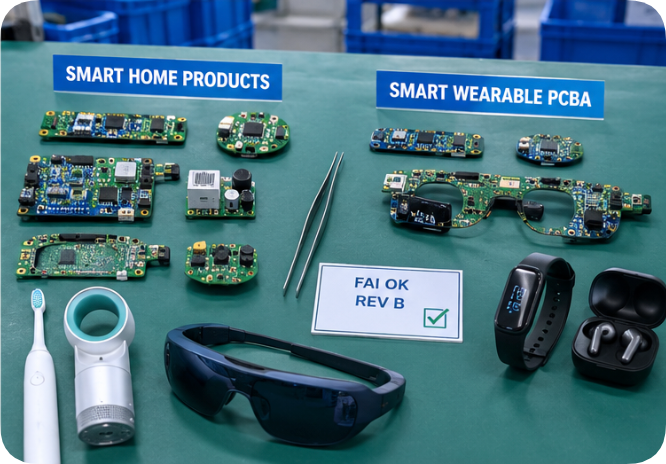
The convergence is easiest to see on the product side of our Custom Smart Home Products PCB line. An electric toothbrush board, an oxygen generator board, a bladeless fan board and smart massage glasses all face the same judgments as the wearable family: they live near a battery, they meet moisture or skin, and they get handled by consumers instead of technicians. Massage glasses make the overlap literal — half wellness wearable, half home device. The practical consequence for buyers is that the two categories no longer need two qualified suppliers, one factory judgment covers both, and the sample you approve for one family is produced under the same floor decisions as the other. It also means a quality escape learned on one product line hardens the process for the other before the same mistake can repeat.
Where the Trend Lands Next
If you are evaluating a manufacturing partner for wearable or smart home work, compress the whole trend into three questions. How fine can your traces go without moving my board to a premium tier, how fast does a sample return and is it built separately from other customers' boards, and what does a reliability run look like for a product that touches a person. The first question gets answered by equipment, the second by scheduling discipline, and the third by patience — and only a partner who made these decisions years ago will answer all three without hesitating. Inside a full electronics manufacturing services engagement, from free consultation and quotation through prototype to mass production with a dedicated project manager, these three floor decisions are the difference between a supplier who follows the wearable wave and one who was already standing where it landed.
Tags: SMT assembly /aging test /smart home PCB /
Prev: SMT Assembly and the Packing Bench: Troubleshooting the Faults That Start After the Line
Next: No more...