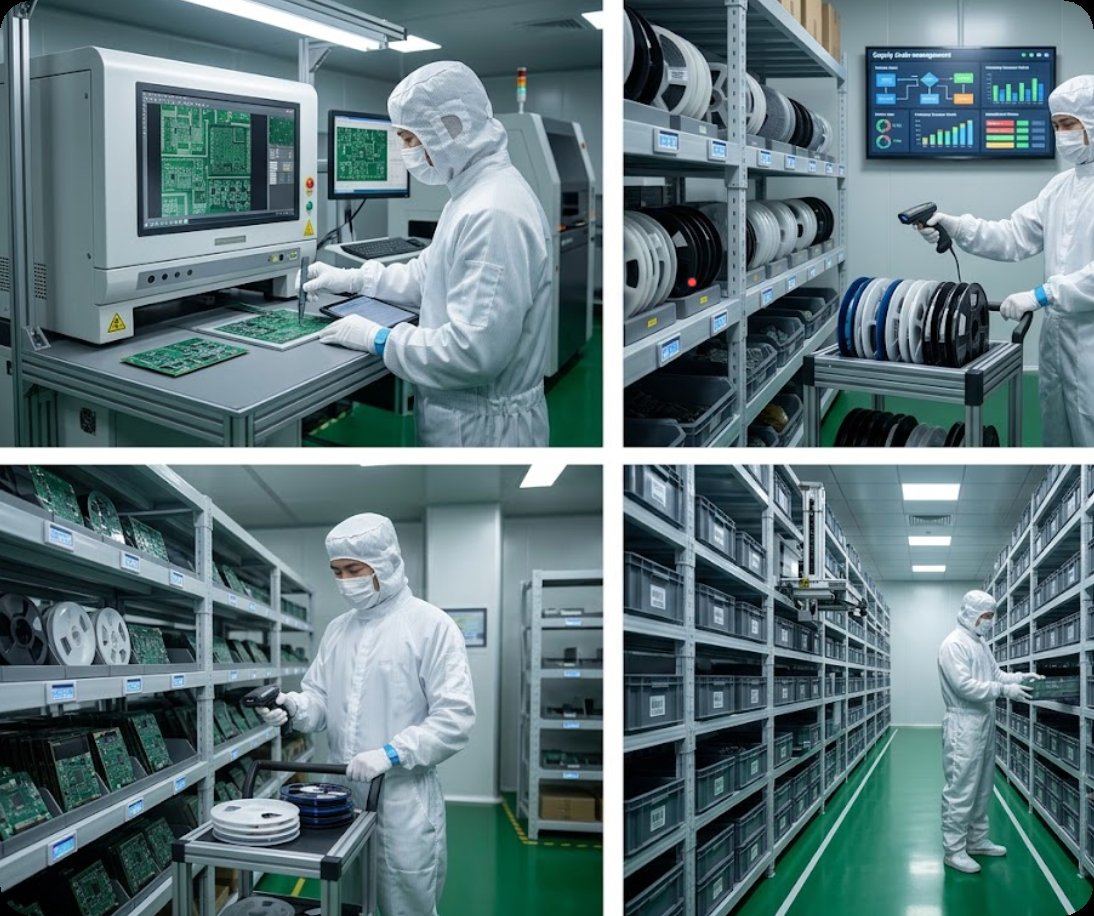

NEWEI PCBA PCB SMT Manufacturing Industry Trends 2026
NEWEI PCBA PCB SMT Manufacturing: Industry Trends 2026
🔮 PCB Fabrication / PCB Assembly (PCBA) / SMT Assembly Trend Report: Market Context and Strategic Outcomes
Here is the reality: most Pcb Manufacturing solutions fail to address common pain points that reduce efficiency and user satisfaction. That is why more organizations are turning to PCB Assembly (PCBA), PCB Fabrication and SMT Assembly for a fundamentally different approach. The electronics manufacturing landscape is undergoing a significant transformation. As product lifecycles shorten and quality expectations rise, the demand for precision-driven Pcb Manufacturing has never been more acute. Companies that once tolerated inconsistent fabrication tolerances or assembly delays are now re-evaluating their entire supply chain strategy. The shift is not merely about finding a vendor; it is about partnering with a provider that understands the intricate relationship between design intent, material selection, and production execution. For those seeking a reliable foundation, engaging with professional Pcb Manufacturing services has become a critical first step toward achieving operational excellence and market competitiveness.
Solution Benefits and Key Outcomes in Modern Pcb Manufacturing
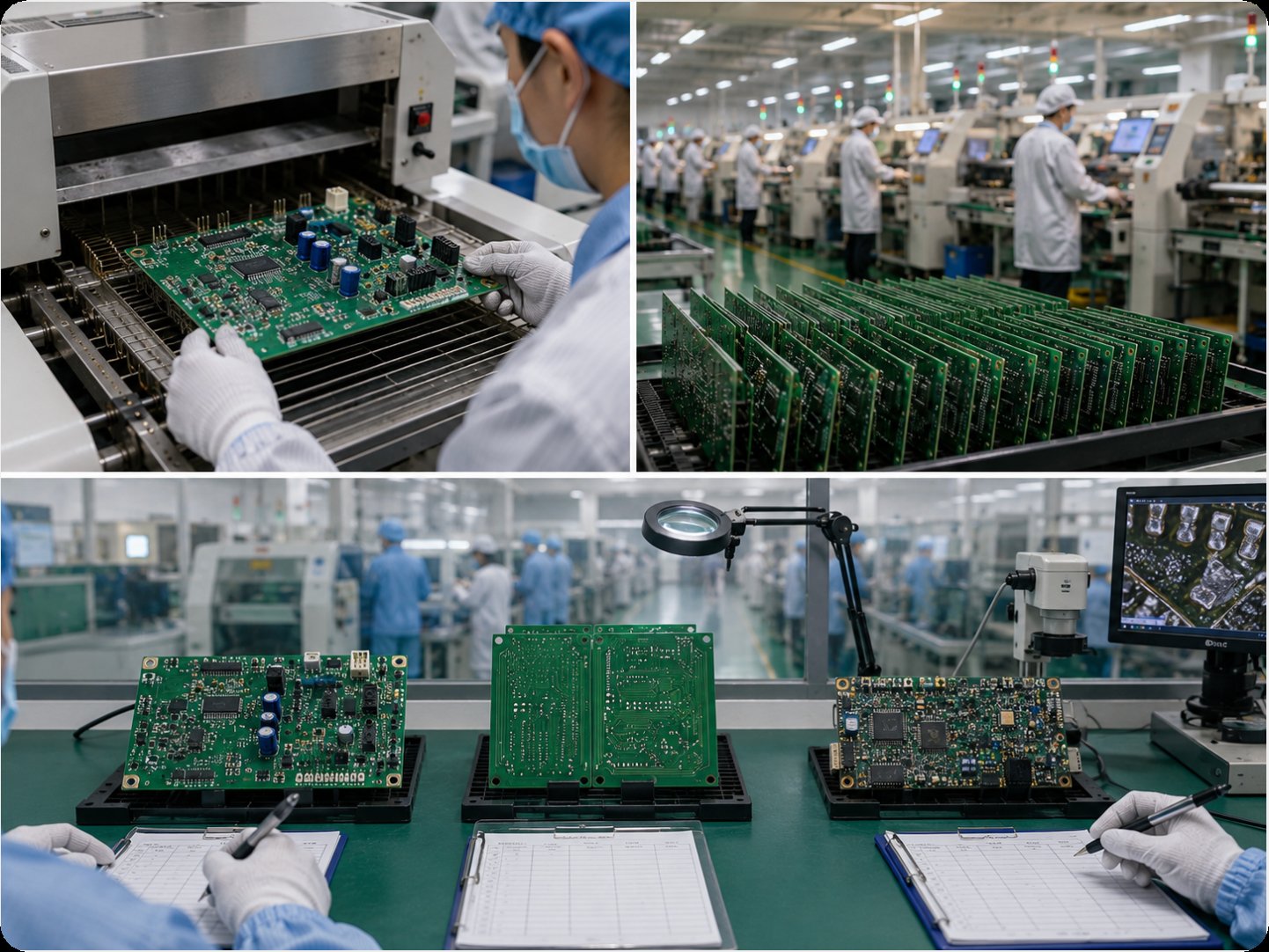
Organizations implementing PCB Fabrication, PCB Assembly (PCBA) and SMT Assembly in Pcb Manufacturing achieve three critical outcomes that directly impact their bottom line. First, they secure consistently high-quality electrical performance that eliminates field failures and costly rework cycles. In an era where a single defective board can halt an entire production line or tarnish a brand’s reputation, the reliability of the fabrication process is paramount. Advanced inspection technologies and controlled impedance capabilities ensure that every batch meets stringent specifications, reducing the risk of intermittent faults that are notoriously difficult to diagnose in the field. Second, streamlined operations emerge as a direct benefit of integrated manufacturing solutions. By consolidating fabrication and assembly under a single roof, organizations eliminate the logistical headaches of coordinating multiple suppliers. This integration reduces lead times, minimizes handling damage, and simplifies communication. Staff can focus on core competencies—design, testing, and final product integration—rather than managing vendor relationships and chasing delivery schedules. This operational efficiency translates into faster time-to-market, a decisive advantage in industries ranging from consumer electronics to medical devices. Third, the professional impression delivered by high-quality boards reflects positively on the entire organization. Whether it is the flawless solder joints on a PCBA or the clean, accurate traces of a fabricated board, these tangible quality markers build customer confidence and support premium pricing strategies.
Customer Case Story: Transforming Operational Efficiency
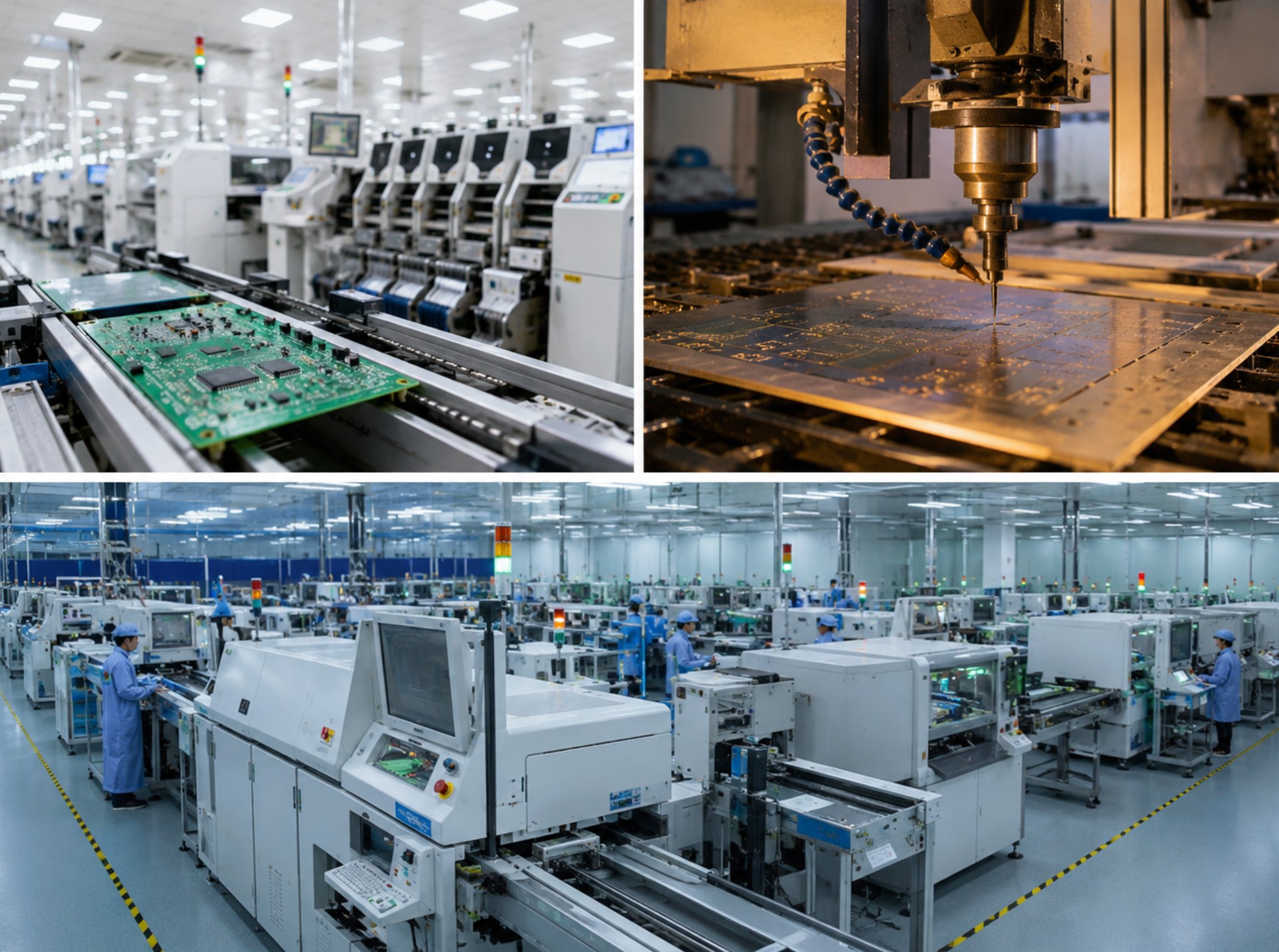
The Pcb Manufacturing team at a major industrial instrumentation company was spending 30 minutes per production batch just on manual inspection and board-level troubleshooting. This routine was not only time-consuming but also inconsistent, as it relied heavily on the experience of individual technicians. After implementing a unified approach with SMT Assembly and full PCBA services, they cut preparation time to under 5 minutes and eliminated the solder-related defects that had been plaguing their operations. The transition from a fragmented, multi-vendor model to a single, accountable partner transformed their workflow. The results were immediate and measurable. The defect rate dropped by over 40% within the first quarter, and the time saved on inspection allowed the team to increase their production capacity without adding headcount. Moreover, the new process enabled them to adopt more complex board designs, knowing that the manufacturing partner had the capability to execute them reliably. The elimination of manual rework stations not only freed up valuable floor space but also reduced the risk of electrostatic discharge damage, a silent killer of sensitive components. This case illustrates that the right manufacturing partnership is not just a cost center—it is a strategic investment in operational resilience and product quality.
Industry News and Recent Developments in Pcb Manufacturing
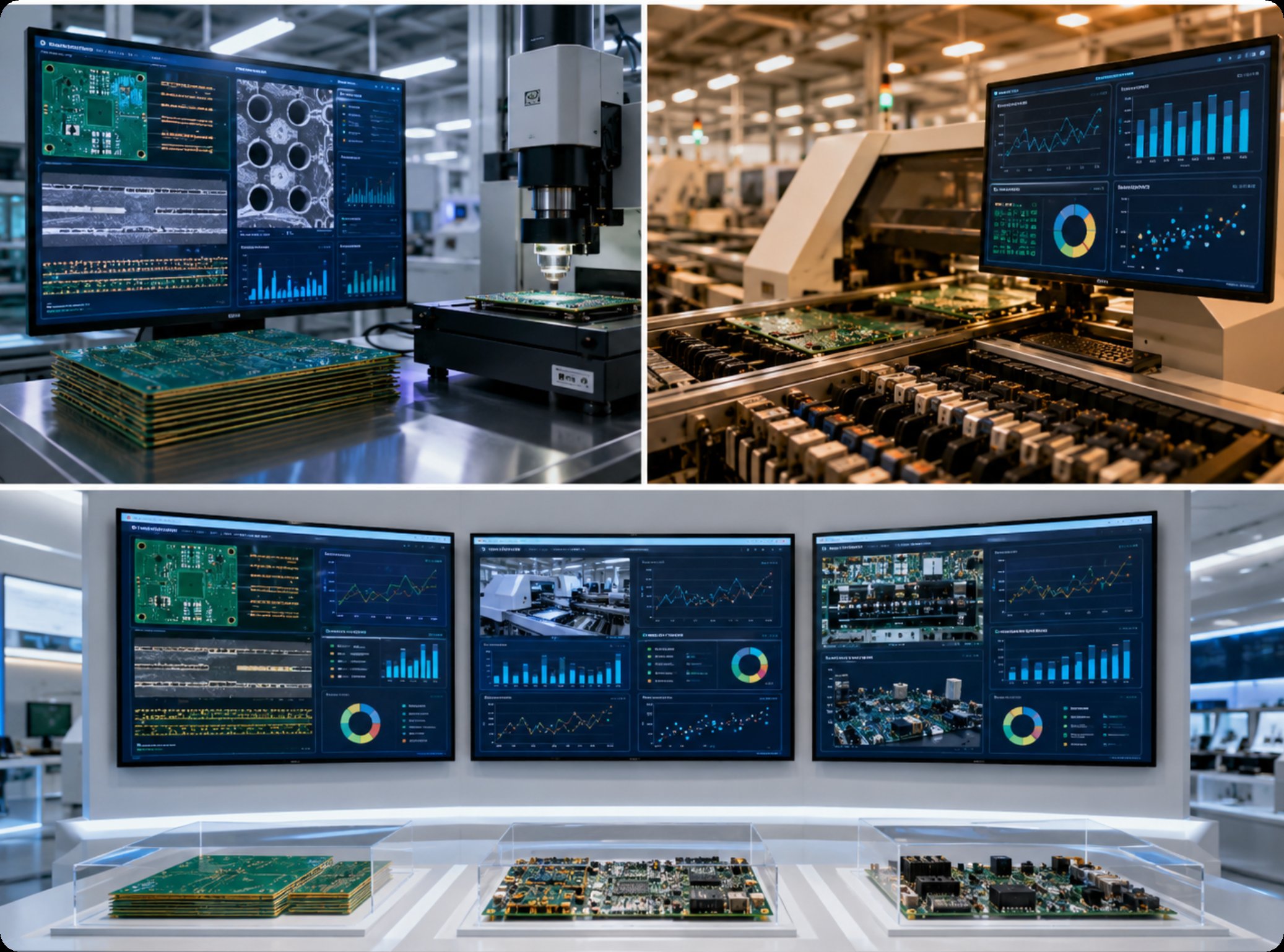
A notable development in the Pcb Manufacturing sector this year is the growing emphasis on data-driven quality control. Modern fabrication and assembly lines are now equipped with sensors and automated optical inspection systems that capture real-time data on every process step. This shift toward Industry 4.0 principles is turning the production floor into a rich source of actionable intelligence. For instance, thermal profiling data from SMT reflow ovens can now be analyzed to predict potential solder joint failures before they occur, allowing for proactive adjustments rather than reactive scrap. Furthermore, the integration of these data streams with enterprise resource planning systems is enabling managers to optimize inventory levels and production scheduling with unprecedented precision. In the context of electronics manufacturing services, this data-centric approach is redefining the relationship between customer and supplier. Instead of receiving a simple batch report, clients can now access live dashboards showing the status of their orders, traceability of materials, and yield rates. This transparency builds trust and facilitates faster problem-solving. As the industry moves forward, the ability to leverage data will be a key differentiator, separating commodity board houses from strategic partners who contribute to the customer’s overall product roadmap and quality journey.
Navigating the Landscape: Key Considerations for Buyers
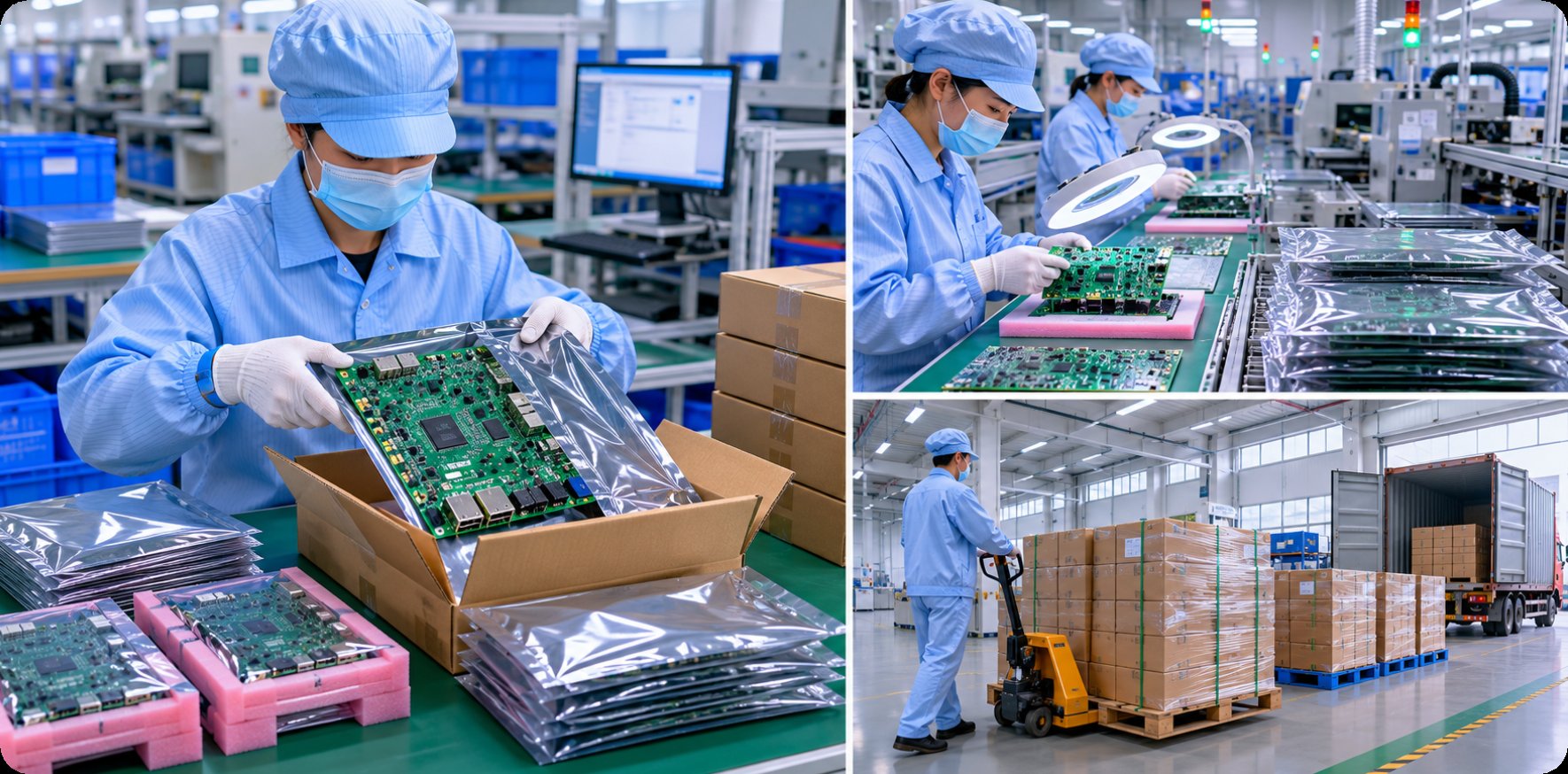
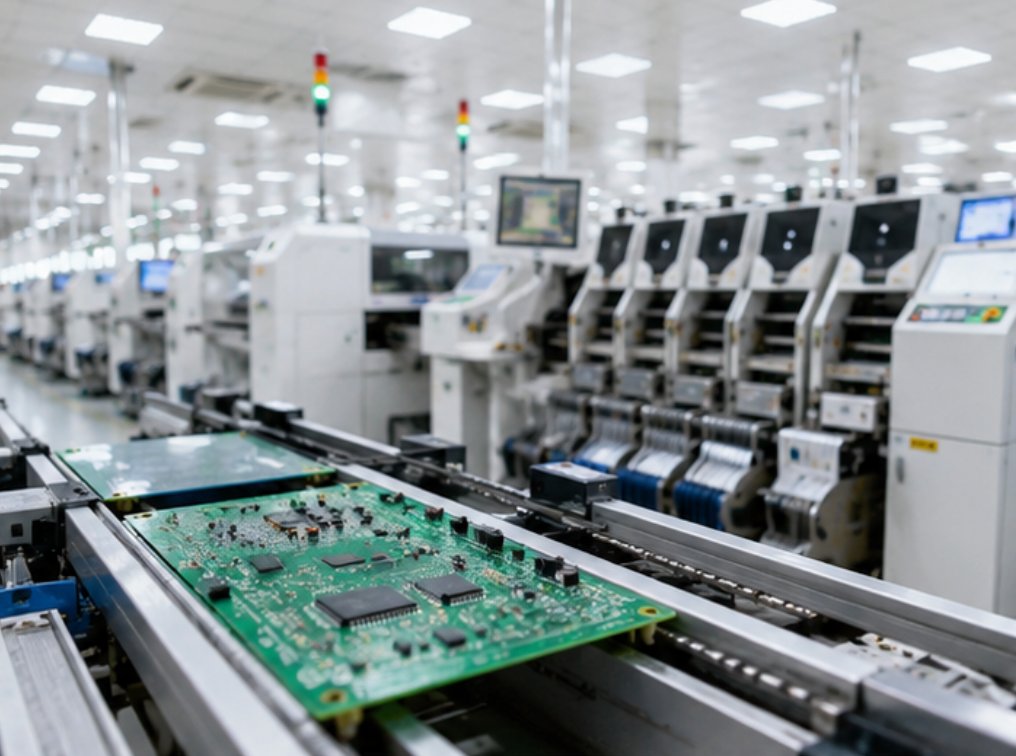
When evaluating potential partners for PCB Fabrication and assembly, several factors warrant careful consideration. The first is technological capability. Not all facilities are created equal; some specialize in high-layer-count boards, while others excel in high-volume, low-cost production. Understanding your specific requirements—such as minimum trace width, material type, and surface finish—is essential before engaging in detailed discussions. The second factor is quality certification. Look for partners who adhere to international standards like ISO 9001 and IPC-A-600, as these provide a baseline for process control and product acceptance. Another critical aspect is the partner’s ability to support the full product lifecycle, from prototyping to high-volume production. A partner who can seamlessly transition your design from a proof-of-concept to a mass-production run saves you the trouble of qualifying a second vendor. This is where the value of a full-service provider becomes evident. They can manage the complexities of component sourcing, especially in times of global supply chain volatility, and offer design for manufacturability feedback that can significantly reduce costs. The table below provides a quick reference for the core service categories discussed, highlighting their primary focus areas.
| Service Category | Primary Focus | Typical Applications | URL Reference |
|---|---|---|---|
| PCB Fabrication | Bare board creation, layer stack-up, impedance control | High-reliability computing, telecom infrastructure | https://www.neweiodm.com/pcb_manufacturing/ |
| PCB Assembly (PCBA) | Component placement, soldering, testing | Medical devices, automotive electronics | https://www.neweiodm.com/ |
| SMT Assembly | Surface-mount technology, high-density placement | Consumer electronics, IoT modules | https://www.neweiodm.com/smt_assembly/ |
Strategic Integration and Future Outlook
As we look toward the future, the convergence of PCB Fabrication and assembly services is set to deepen. The rise of advanced packaging technologies, such as system-in-package and chiplet designs, requires an unprecedented level of collaboration between the design house and the manufacturer. This collaboration extends beyond mere execution; it involves co-engineering to optimize thermal performance, signal integrity, and mechanical reliability. Organizations that embrace this collaborative model will be better positioned to innovate, as they can leverage their manufacturing partner’s expertise to push the boundaries of what is technically possible. The decision to integrate these services is not merely a tactical response to current market pressures; it is a strategic move that future-proofs your operations. By consolidating your supply chain and partnering with a provider that offers both fabrication and assembly, you gain agility, reduce risk, and enhance your ability to scale. For those ready to take the next step, we invite you to learn more about our manufacturing capabilities and discover how a unified approach to Pcb Manufacturing can transform your product development cycle and deliver a lasting competitive advantage.
Tags: PCBA /PCB /SMT /NEWEI /manufacturing /industry trends /2026 /
Prev: NEWEI PCBA SMT PCB Aging Test Reliability ROI Analysis
Next: NEWEI SMT PCBA PCB ESD Protection Performance Test