
Smart Wearable PCBA and DIP Assembly: Three Order Sheets, Three Ways the Money Splits
Three inquiry sheets landed on the same desk in our sales office last week, and the contrast between them says more about electronics manufacturing than any brochure could. One covered a Smart Wearable PCBA ODM build, a health-band board no larger than a thumb. One covered an automotive body controller, thick with connectors and process demands. The third was a DIP Assembly run for an industrial control board that still relies on through-hole parts. Same factory, same week, three completely different shapes of bill — and a buyer who reads only the total line on each quote will miss where the money actually sits.
This article walks through the three sheets the way our estimators do: line by line, asking which costs concentrate on each build and which lever the customer still holds before the first panel is loaded. None of the three is objectively expensive or cheap. Each one simply spends the budget in a different place, and each rewards a different kind of early decision.
The Smart Wearable Sheet: Where Miniaturisation Adds Hours
The wearable quote is the one where board area does the talking. A health-band assembly squeezes the same functional blocks that a larger consumer board spreads out comfortably into a fraction of the space, and every millimetre of that compression has to be paid for somewhere. Placement machines handle small components at speed, but the wearable sheet concentrates its money in the decisions made before layout freeze: how much clearance each part keeps from its neighbour, whether the antenna section can stay on its own corner, and how much room the rework bench will have if a connector needs attention after assembly.
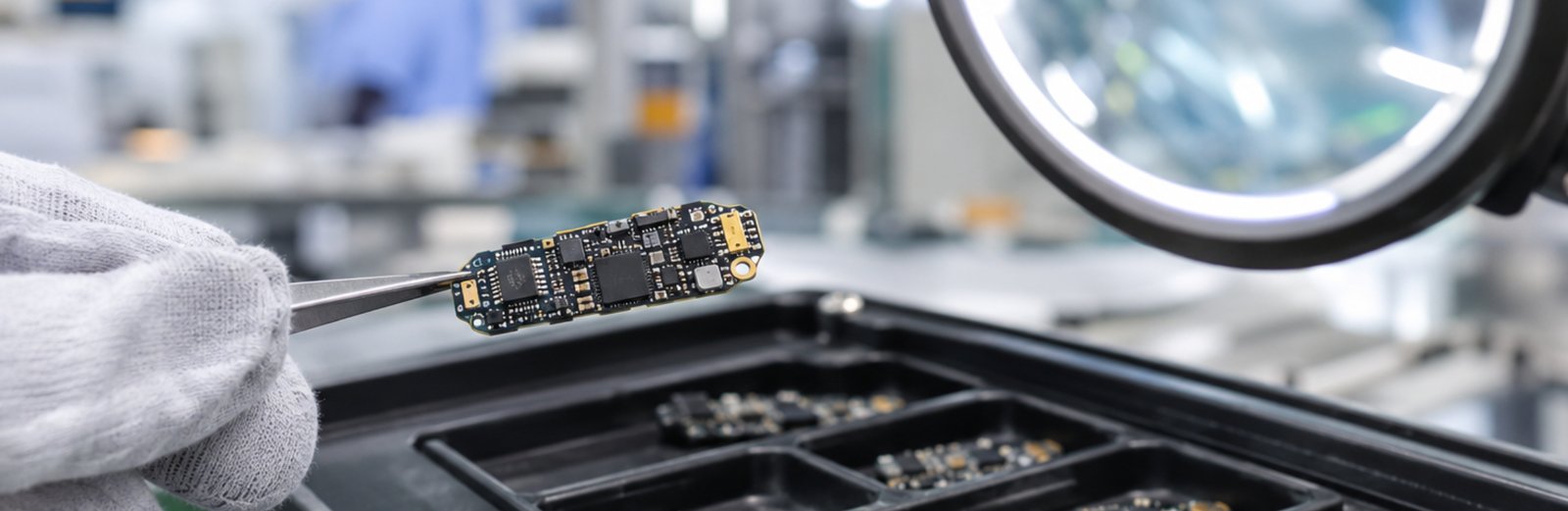
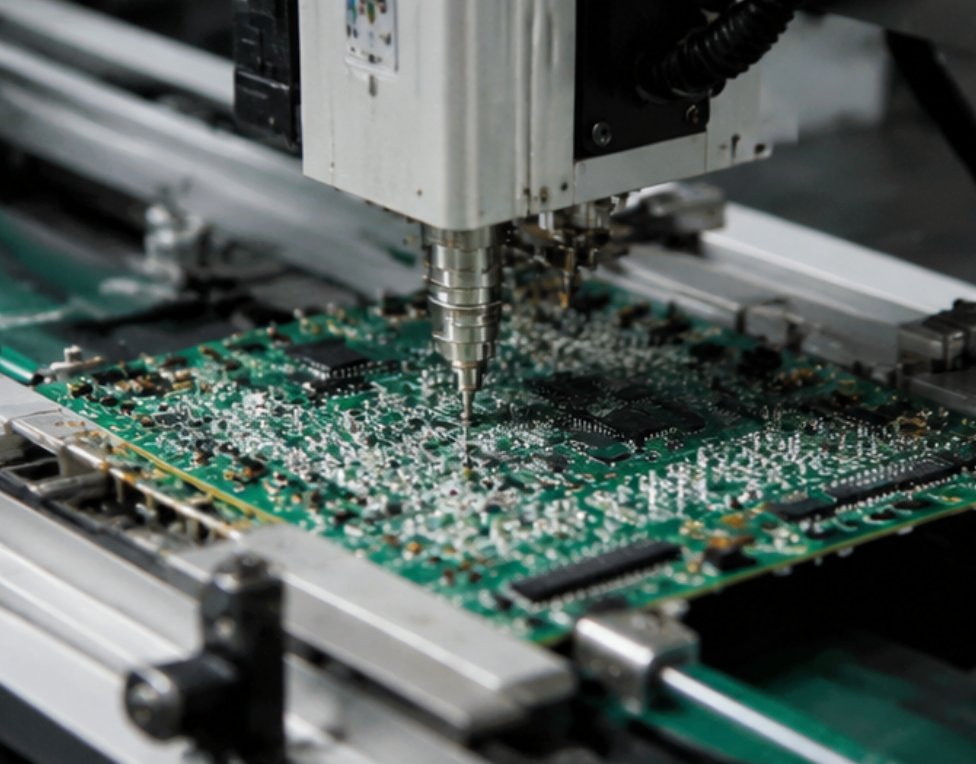
When buyers ask why the wearable build prices above a physically larger consumer board, the honest answer is that the smaller canvas turns routine steps into delicate ones. Stencil design, paste inspection thresholds and the order in which sections are populated all tighten around a dense layout. Automotive Electronics PCBA customers face a different concentration, which is the second sheet.
The Automotive Sheet: Paperwork Is a Line Item, Not a Courtesy
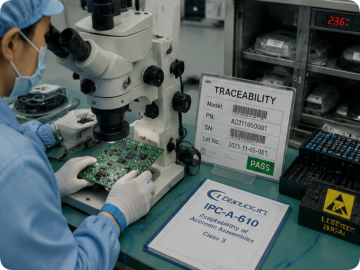
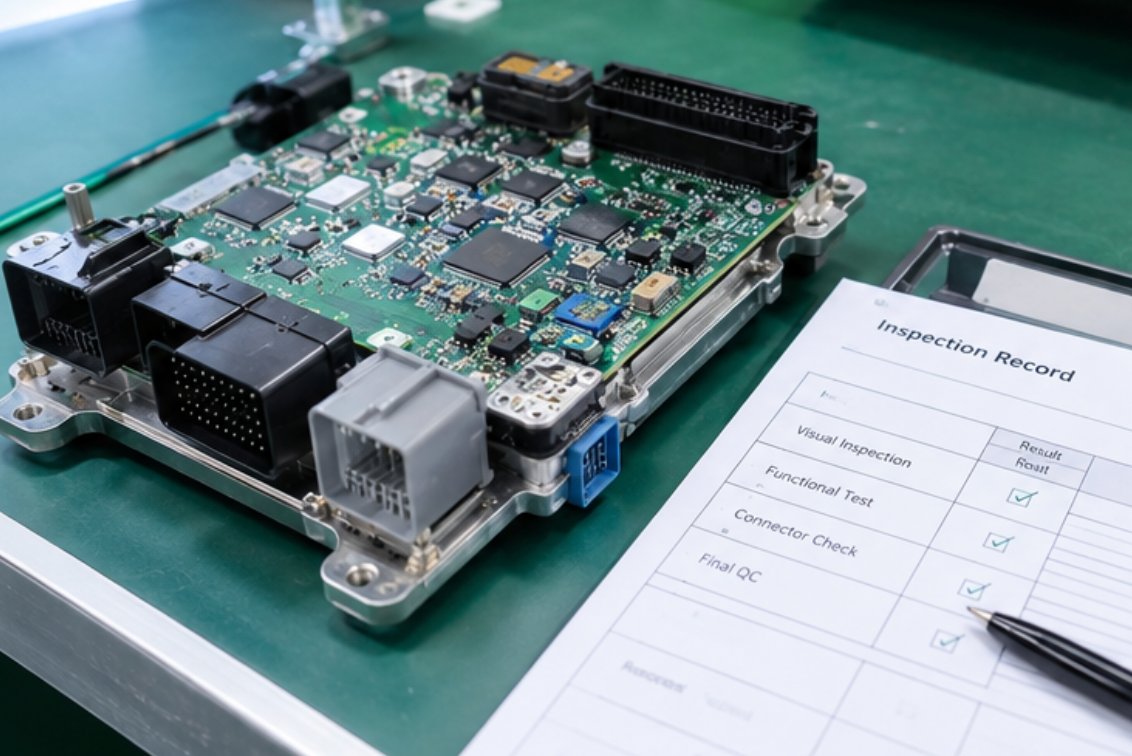
The automotive body controller carries fewer exotic components than the wearable band, yet its quote holds a block of cost that the wearable sheet barely shows: process control and the records that prove it. Traceability requirements, first-article confirmations, repeated inspection gates and the engineering time to close out every deviation sit on the automotive sheet as explicitly quoted work. A buyer who has only ever purchased consumer boards sometimes reads that block as overhead; it is better read as the price of being able to answer a field question two years later with a document instead of a guess.
The lever a buyer holds on this sheet is the change window. Every drawing revision that arrives after process planning has started ripples through inspection plans and traveller documents, and each ripple lands back on the quote. Freezing the connector selection and the board revision before the quotation is issued keeps the paperwork block lean; issuing revisions mid-quote does the opposite, and estimators can see the difference within hours of receiving the file set.
The DIP Bench: Paying for Hands, Jigs and Second Looks
The third sheet, the through-hole run, concentrates its money in bench hours. DIP plugin processing is the part of PCBA work with the most manual operations and the highest demands on management, which is why the quote weights labour and inspection differently from either machine-paced sheet above. Our own DIP page is blunt about the arrangement: plug-in AOI checks for component error, leakage and reversal, precisely because hand insertion invites exactly those three fault types, and the pass-through rate is controlled rather than assumed.
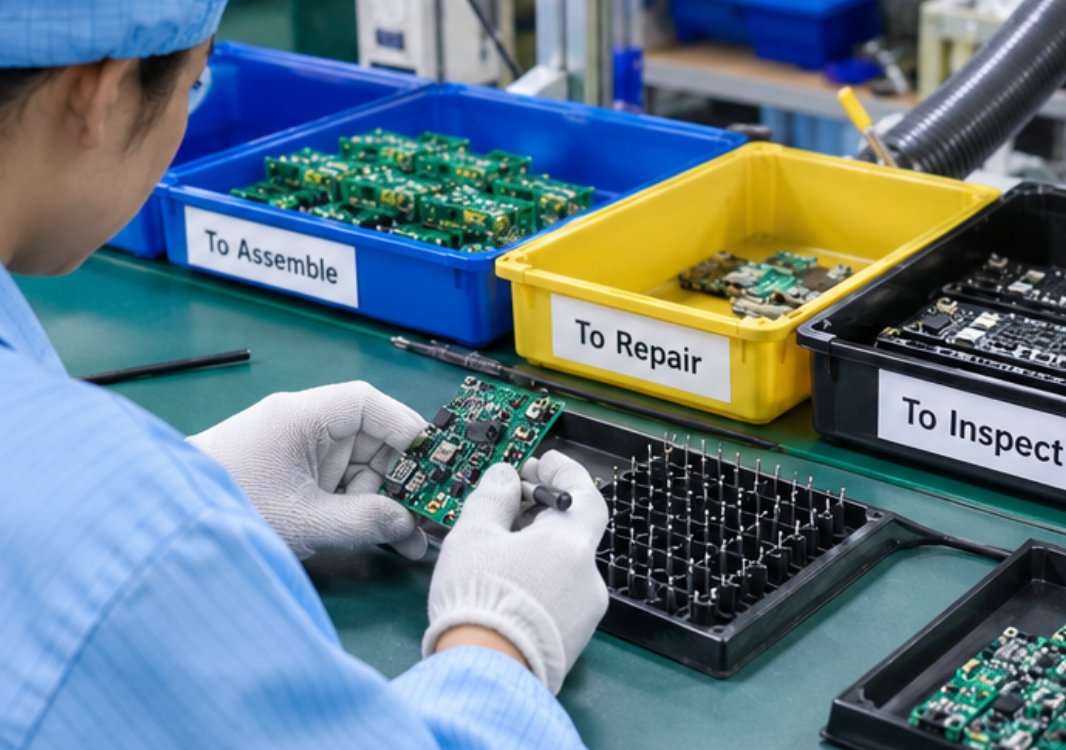
What softens the bill on this sheet is organisation rather than automation. Around every cable and board, a temporary storage area with independent identification keeps three states apart — waiting for plug-in, waiting for maintenance, waiting for QC — so nothing sits unlabelled and nothing gets reworked twice. Strict IPQC and QA lot-sampling standards close the loop. A buyer comparing DIP quotes should therefore ask less about the hourly rate and more about how the bench is zoned and sampled; the same headcount produces very different pass-through economics depending on that discipline.
| Order Sheet | Where the Money Concentrates | The Lever the Buyer Still Holds |
|---|---|---|
| Smart wearable PCBA | Placement care on a crowded board, stencil and paste decisions, rework access | Footprint and clearance choices before layout freeze |
| Automotive electronics PCBA | Process control, inspection gates and traceability records | Freezing the board revision and connector set before quoting |
| DIP assembly | Bench hours, jig preparation and repeated inspection passes | Through-hole versus SMT trade-offs settled at design review |
Setup Fees and the Panelization Math
One cost appears on all three sheets and behaves differently on each: the setup charge. Machine-paced lines spread a setup across the panel, so the panelization decision — how many boards travel per fixture — quietly sets the per-board share. A wearable build panelises aggressively because the boards are small; the automotive controller panelises conservatively because its connectors overhang the board edge; the DIP run often panelises around jig dimensions instead, since the welding fixture, not the placement head, defines what a panel must be. Asking an estimator which factor set the panel count on your sheet is a two-minute question that frequently explains a price gap between suppliers.
The Three-Zone Bench That Keeps Repair Bills Short
It is worth returning to the DIP sheet's quietest saving, because it generalises across all three orders. A bench where waiting-for-plug-in, waiting-for-maintenance and waiting-for-QC boards share one unlabeled tray will eventually rework a board that was never faulty, and that hour is pure loss. Independent identification per state — the arrangement our DIP floor runs as standard — costs nothing in equipment and removes an entire category of avoidable handling. The same logic scales up: on the automotive sheet, the traveller document is the zone label; on the wearable sheet, the layout freeze is. Every manufacturing cost structure hides a version of the three-zone rule, and the buyers who spot it early pay it once instead of monthly.
Overhead: The Column That Never Gets Its Own Header
Buyers sometimes ask why no quotation line reads "overhead". The honest answer is that it is distributed, not hidden. Engineering hours spent reviewing a dense wearable layout, maintenance time on the plug-in AOI, the record-keeping that keeps an automotive traceability chain unbroken — all of it lives inside the process lines above it. The estimators' habit of writing the sheet so each charge attaches to a visible activity is what makes the total auditable. If a competing quote is materially lower, the difference is usually in how explicitly those shared costs were written down, not in whether they exist.
Reading a Quote the Way the Floor Reads It
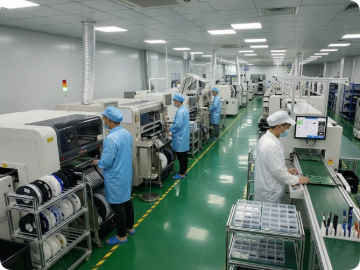
There is a practical habit that closes this loop. Before comparing totals, read each sheet against the floor that will run it: the wearable build against the placement line's care budget, the automotive build against the inspection calendar, the DIP run against the zoning and sampling discipline of the bench. A quote that names those attachment points can be negotiated line by line; a quote that returns one number cannot, because there is nothing to negotiate against. This is also the fastest way to discover whether a supplier has actually looked at your files or only at your quantities.
What We Ask Before Pricing Yours
For a wearable inquiry we ask about board outline, connector access and the rework scenarios the product team worries about. For an automotive inquiry we ask which revision is final and who signs it. For a DIP inquiry we ask how many through-hole part types repeat across the run and whether the bench can zone them as described above. Those questions are not ceremony — each one moves a cost from the uncertain column to the counted one, which is where a buyer wants it. You can see how we present these capabilities publicly on our EMS Electronic Manufacturing overview, and bring the same three sheets to any supplier you compare us with.
The practical takeaway is simple: the total on a quote is a conclusion, not an explanation. Ask for the split, ask which floor section each line attaches to, and the three sheets on your desk will start reading like engineering documents instead of prices. More background on our production side sits on the PCB manufacturing page, and our factory news follows the same cost-first habit in every order story.
Frequently Asked Questions
1. Why does a smaller wearable board often quote higher than a larger consumer board?
Because board area is a budget, not a size. Compressing the same functions into less area tightens stencil design, paste inspection and placement sequencing, and it narrows the rework window. The money moves from raw materials into process care, which shows up as a higher per-board figure even when the component list looks similar.
2. What exactly sits inside the automotive quote beyond assembly?
Traceability records, first-article confirmations, inspection gates and deviation close-out. These are quoted as real work because they are real work, and they are what let a field question be answered with a document years later. Freezing the board revision before quoting keeps this block as small as the requirements allow.
3. How does the DIP line control quality when so much is done by hand?
With plug-in AOI that screens for component error, leakage and reversal, plus strict IPQC and QA lot-sampling standards across the run. The bench is organised into independently identified zones for waiting-for-plug-in, waiting-for-maintenance and waiting-for-QC boards, so mixed or unlabelled stock never reaches the next station by accident.
4. Can the setup charge really differ that much between suppliers?
Yes, because the panel count behind it can differ. Panelisation follows the fixture and the board geometry — small wearable boards panelise aggressively, connector-heavy automotive boards conservatively, and DIP runs follow the welding jig. Two suppliers can be looking at identical boards and still hold different per-board setup shares, which is why the panel count is worth asking about directly.
5. Which single question gets the most cost off any of the three sheets?
The version of this one: which decision on my side still moves this line? On the wearable sheet it is footprint clearance before layout freeze; on the automotive sheet it is the frozen revision; on the DIP sheet it is the through-hole versus SMT split settled at design review. Naming the lever turns the quote from a price into a plan.
Tags: DIP assembly /smart wearable PCBA / automotive PCBA / PCBA cost /
Prev: PCB Fabrication, Custom Industrial PC PCBA ODM and Product Assembly: What Each Milestone Confirms
Next: No more...