
Where SMT Assembly Is Heading Next: Component Density, Inspection Depth and the Case for In-House Shell Mold
Ask five contract manufacturers where surface-mount technology is going and you will hear five versions of the same three forces: components keep shrinking, inspection keeps getting deeper, and the distance between processes keeps getting shorter. None of these is a marketing line. Each one changes what happens on the floor and what a buyer should put in a quote request. This article walks through the shifts we watch from inside a working plant, using our own SMT and molding lines as the reference point.
The context matters. A line that places precision components for industrial controllers faces different pressures than one building consumer gadgets in eight-week bursts, and the SMT assembly services that survive the next few years will be the ones organized around those differences.
Three Shifts Buyers Notice First
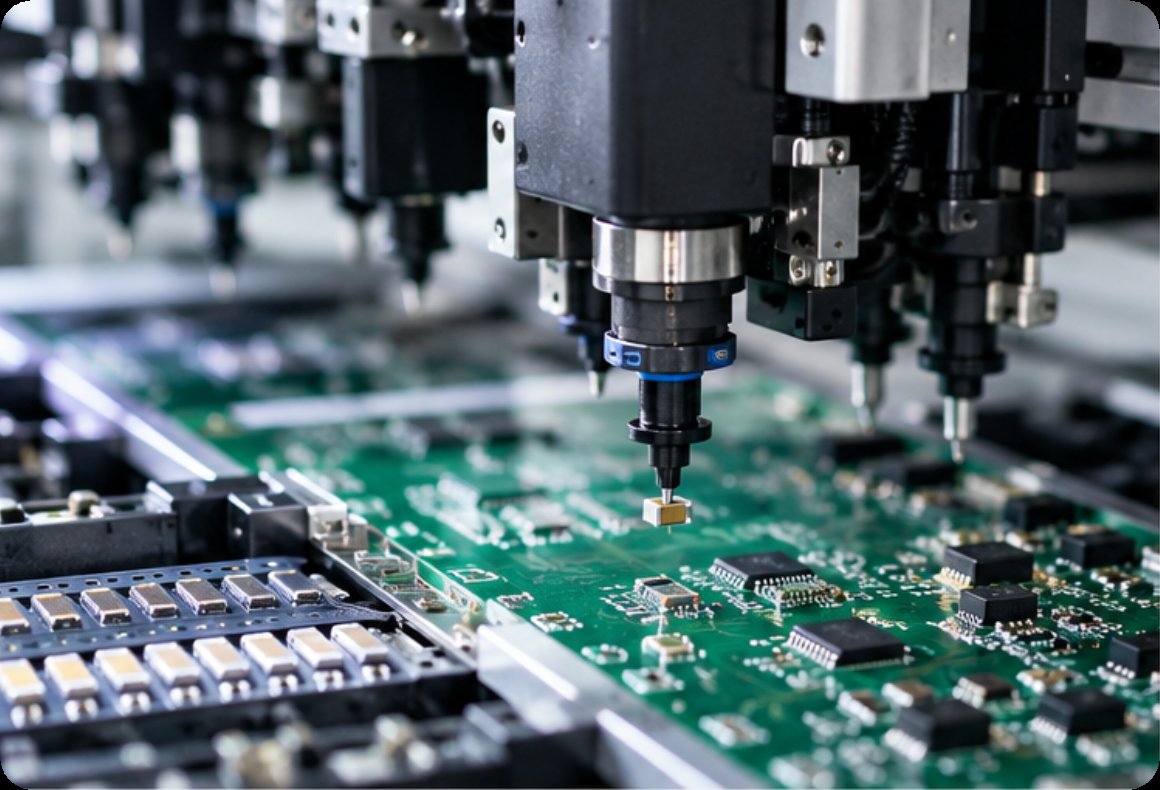
The first shift is size. 0201 passive components are no longer a specialty request; they are routine on dense boards, and each step down in package size multiplies the ways a placement error can hide. The second is verification depth: buyers increasingly ask not whether a line has AOI, but where AOI sits in the flow and whether X-ray covers the joints light cannot reach. The third is consolidation. Orders that once went to three vendors — one for boards, one for molding, one for final assembly — increasingly land with a single floor that can do all three, because every handoff between vendors is a place where schedule risk and accountability get lost.
0201 Placement Puts New Demands on Stencils and Paste
| Shift on the floor | What it demands | Where our line answers it |
|---|---|---|
| Component density down to 0201 | Paste inspection, stencil control, re-validated reflow profiles | Solder paste thickness detectors, multi-temperature-zone reflow |
| Deeper inspection gates | Inline AOI at each stage plus X-ray for hidden joints | AOI stations, X-ray inspection machines, barcode traceability |
| Consolidated vendor scope | Molding and assembly on one calendar | In-house shell mold, product assembly and SMT on one floor |
Working with precision components such as 0201 packages changes the economics of everything upstream of the placement head. Stencil thickness, aperture design and paste viscosity stop being engineering details and become yield levers; a foil that worked for 0402 parts will bridge or starve at 0201 scale. Solder paste thickness detectors run before the first panel, and multi-temperature-zone reflow profiles get re-validated whenever a paste lot changes. Plants that treat these as occasional adjustments quote aggressively and then struggle on first-pass yield, which the buyer pays for in rework.
For buyers, the practical takeaway is to ask a prospective supplier two questions early: what is the smallest package the line places routinely rather than occasionally, and what is the measured first-pass yield on boards that use it. A floor certified to IATF16949 for automotive electronics will usually answer both without hesitation, because those numbers are already on its quality wall.
AOI and X-Ray Stop Being Optional Gates
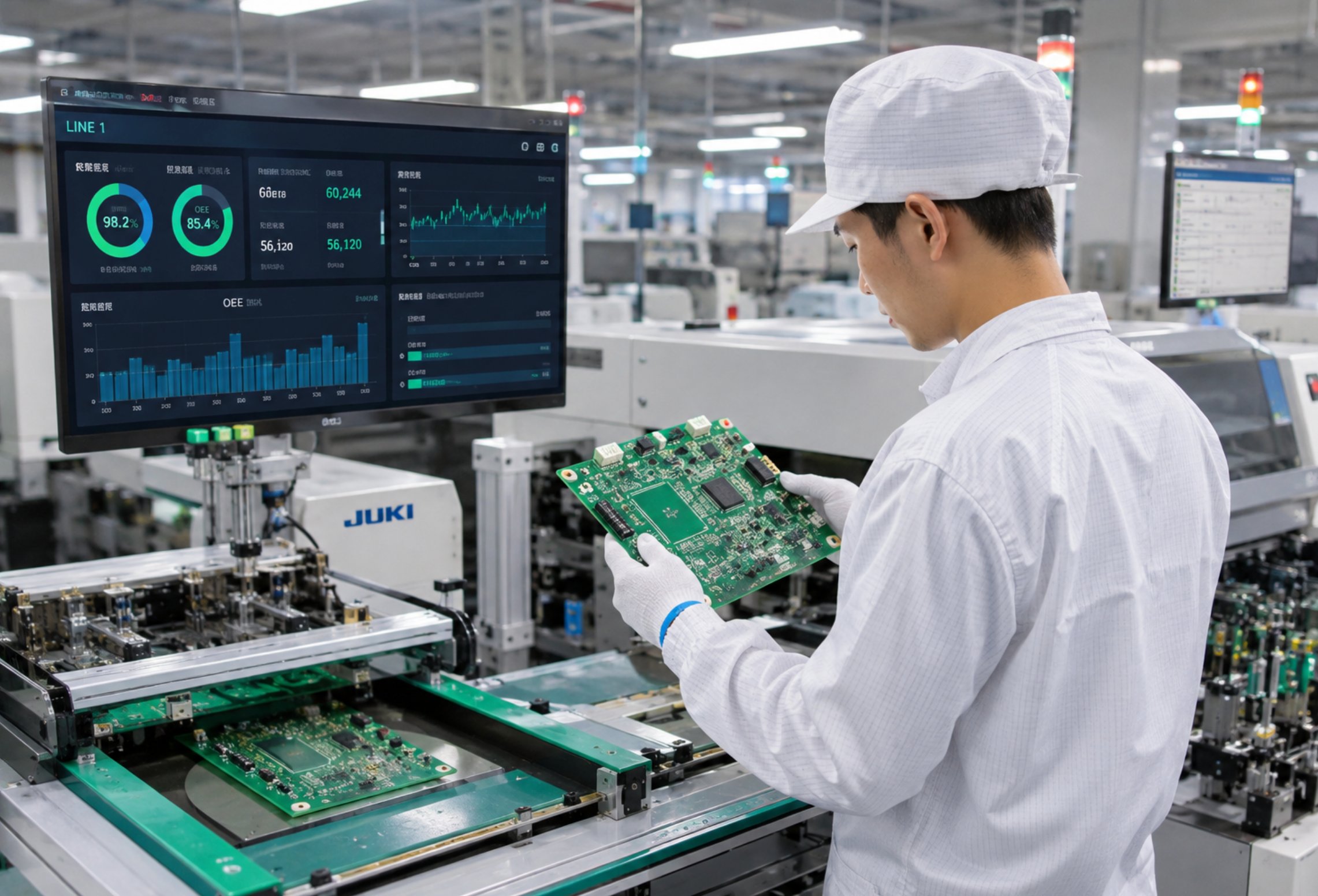
Optical inspection has moved from end-of-line sampler to inline gate. On a modern SMT flow, AOI optical detection equipment checks paste, placement and reflow results at separate stations, so a drift is caught at the stage that caused it rather than at final test where the cause is buried. X-ray inspection machines cover what cameras cannot: hidden joints under BGAs and QFNs and the voiding ratios of the fine-pitch parts that 0201-class density inevitably brings alongside.
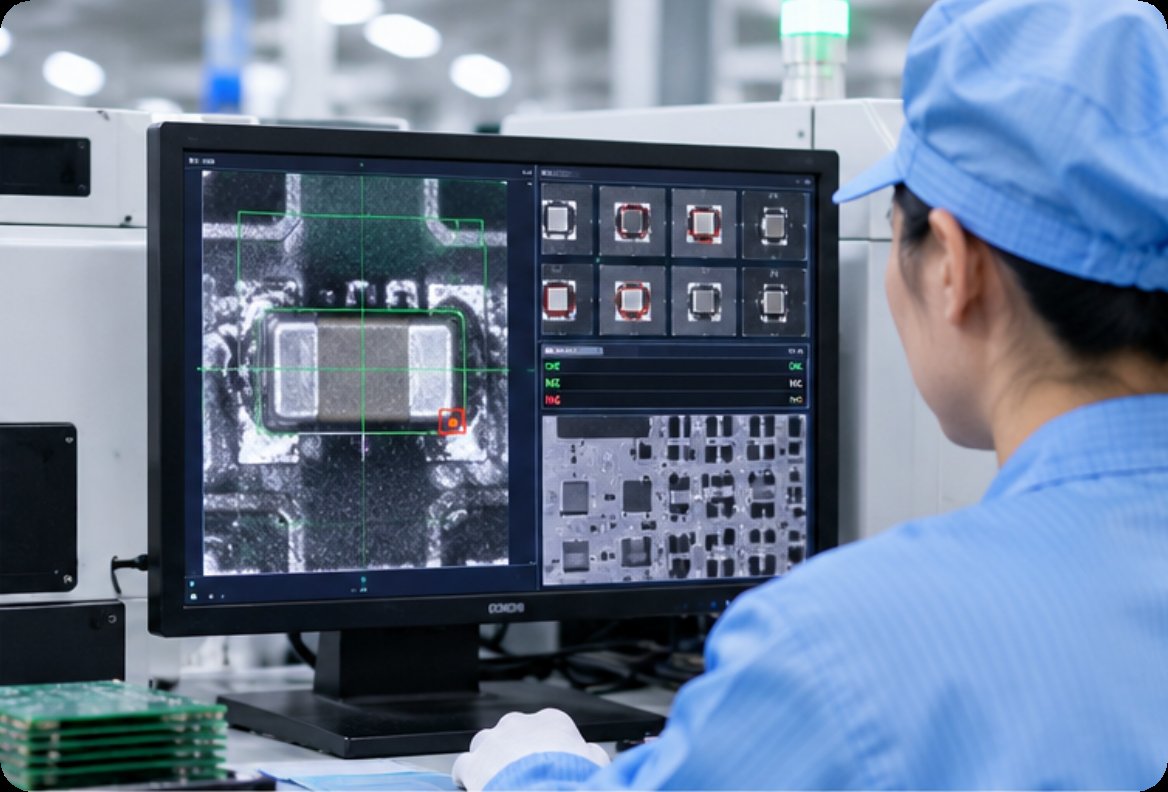
The reporting layer matters as much as the machines. Traceability systems that register good and bad units against a barcode give the customer a defect map by panel and shift, which turns a quality conversation from anecdotes into data. Buyers evaluating an electronic product assembly line should ask to see a sample traceability report before asking for a price break, because the report is where the real capability shows.
Automotive Certification Spills Into Consumer Volumes
IATF16949 was written for automotive supply chains, but its discipline leaks usefully into every other sector. The standard's habits — process failure mode analysis, layered audits, reaction plans tied to measured escape rates — are the same habits that keep a mixed-technology line stable when order sizes swing from prototypes to volume. The stations qualified for automotive work run the same SOP operation standards, station self-inspection, QC full inspection, QA online sampling and OBA sampling before shipment as the rest of the floor, but with tighter documentation and shorter reaction thresholds.
The spill-over benefits buyers who never ship a car part. A plant that holds automotive certification has already paid for the process discipline that other customers get as a side effect, and its change-management records mean a component substitution gets analyzed before it ships rather than after a field return.
Why Mold Capacity Moved Inside the Fence
The quietest trend in electronics manufacturing is vertical: enclosures and structural parts are coming back in-house. Injection molding — thermoplastic pellets injected into a cavity, reaction injection molding for thermosetting resins, metal injection molding for fine powder parts — used to be a procurement line item managed by a second vendor. Now buyers increasingly expect their EMS partner to coordinate molds directly, because the stable supply of internal molds and parts is what makes injection-molded quality repeatable across a production life.
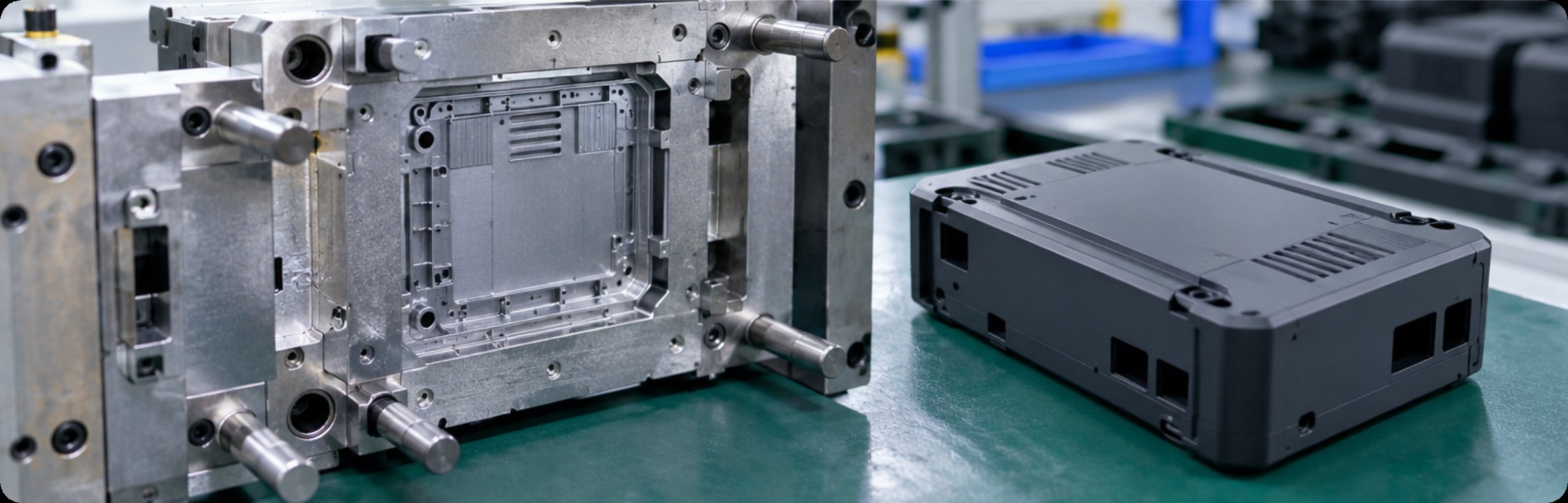
Fast, cost-effective shell production through professional partners and centralized procurement also removes the MOQ wall that used to force startups into offshore minimums. No-MOQ molding paired with mass customization means a housing revision can iterate in days, which changes how product teams schedule their electronics milestones. Our own shell mold and injection molding services exist for exactly this reason: the enclosure stops being somebody else's schedule risk.
Lead Times Compress When Services Share One Floor
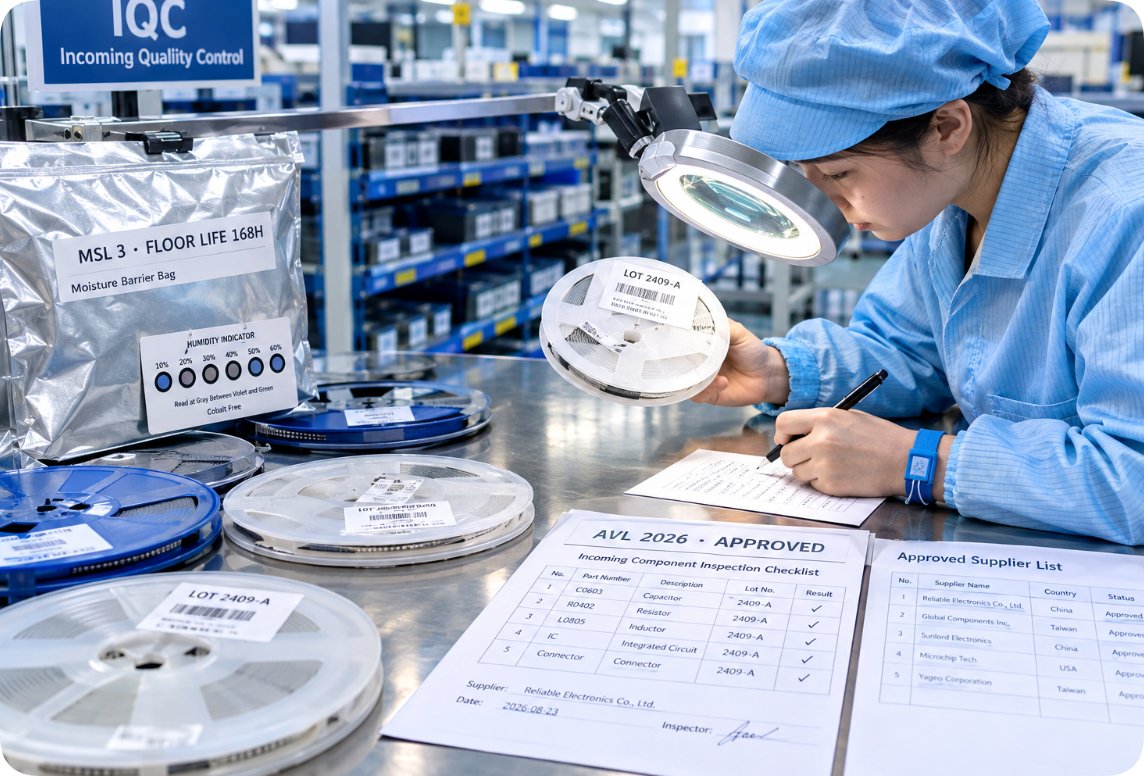
Under normal material conditions, SMT surface-mount processing lead time starts from three to five working days, excluding public holidays. That number only holds when the surrounding steps cooperate: stencil procurement, mold trials and final assembly must move on the same calendar. When a customer prepares materials and PCB boards and delivers them for verification, the clock starts at incoming inspection — and if the same plant owns the molding, the verification loop that used to take a week of emails now takes an afternoon.
The compression compounds across a program. Prototype runs ride the same lines as production, so a design fix learned on Tuesday's AOI data is in Thursday's panels without a vendor-change negotiation. For teams running turnkey SMT and DIP assembly programs, this is the largest schedule lever available, and it costs nothing except choosing suppliers whose services share a floor.
What to Ask a Supplier Before the Next Quote
The trends above collapse into a short checklist. Ask for the smallest routine package and the measured first-pass yield at that scale. Ask where AOI and X-ray sit in the flow and who signs the escape reports. Ask whether molding and final assembly share the plant, and what a housing revision costs in days rather than dollars. Ask which certifications the floor holds and which ones apply to your product specifically.
Suppliers organized around these questions will answer in specifics, and the rest will answer in brochures. Our overview of EMS electronic manufacturing services and the published notes on our PCB manufacturing capabilities cover both sides of that conversation, and we are happy to walk buyers through the line sections that matter for their boards rather than the ones that photograph well.
Frequently Asked Questions
1. Are 0201 components worth specifying for industrial products?
Use them where density demands it, not as a habit. A line with paste inspection, tight stencil control and verified 0201 experience places them reliably, and the board-area savings can shrink an enclosure or free routing layers. Every step down in size narrows the supplier pool, so confirm the capability in writing before the design freezes.
2. Does automotive certification matter if my product is industrial or consumer?
Indirectly, yes. IATF16949 discipline — layered audits, formal reaction plans, documented change control — raises the floor for every order on the plant, and it signals that quality data is recorded rather than remembered. Most industrial buyers benefit from that infrastructure without paying automotive-grade documentation costs.
3. How fast can a mold-included program realistically iterate?
With molding coordinated by the assembly partner, a simple housing revision moves from CAD change to molded sample in days, because the tool trial and the assembly verification happen in one plant. The exact number depends on tool complexity and steel changes versus new cavities, but the vendor handoffs that used to dominate the calendar simply disappear.
Tags: SMT assembly /shell mold /AOI inspection /contract manufacturing /
Next: No more...