
Why Smart Hardware Startups Choose a Single ODM for Industrial Motherboard, Medical Device PCBA & Smart Wearable PCBA
Why Smart Hardware Startups Choose a Single ODM for Industrial Motherboard, Medical Device PCBA & Smart Wearable PCBA
Over the past decade, I’ve watched too many hardware startup teams crash not because their product lacked demand—but because they tried to manage three different PCBA vendors at the same time. The founder thinks they’re diversifying risk. In reality, they’re multiplying complexity: three different quality standards, three separate procurement pipelines, three sets of compliance headaches. If you’re building a portfolio that spans Industrial Motherboard, Medical Device PCBA, and Smart Wearable PCBA, consolidating your supply chain with an experienced Industrial PC PCBA ODM partner becomes the single most important decision in your production cycle. One ODM, one team, one unified system—that’s how you turn three product lines from a liability into a competitive advantage.
1. The Three-Line Product Scenario Matrix: One Startup, Three Worlds
A hardware startup today rarely builds a single product. More often, they’re developing an industrial gateway, a companion medical diagnostic tool, and a consumer wearable—all under one roof. Each product demands a completely different manufacturing DNA:
Industrial Motherboard — Built for 24/7 operation in factories, digital signage, and IoT gateways. Requires 6–12 layer HDI PCBs, ±0.01mm BGA placement, and 0201 micro-component capability. These boards must survive extreme temperatures and vibration.
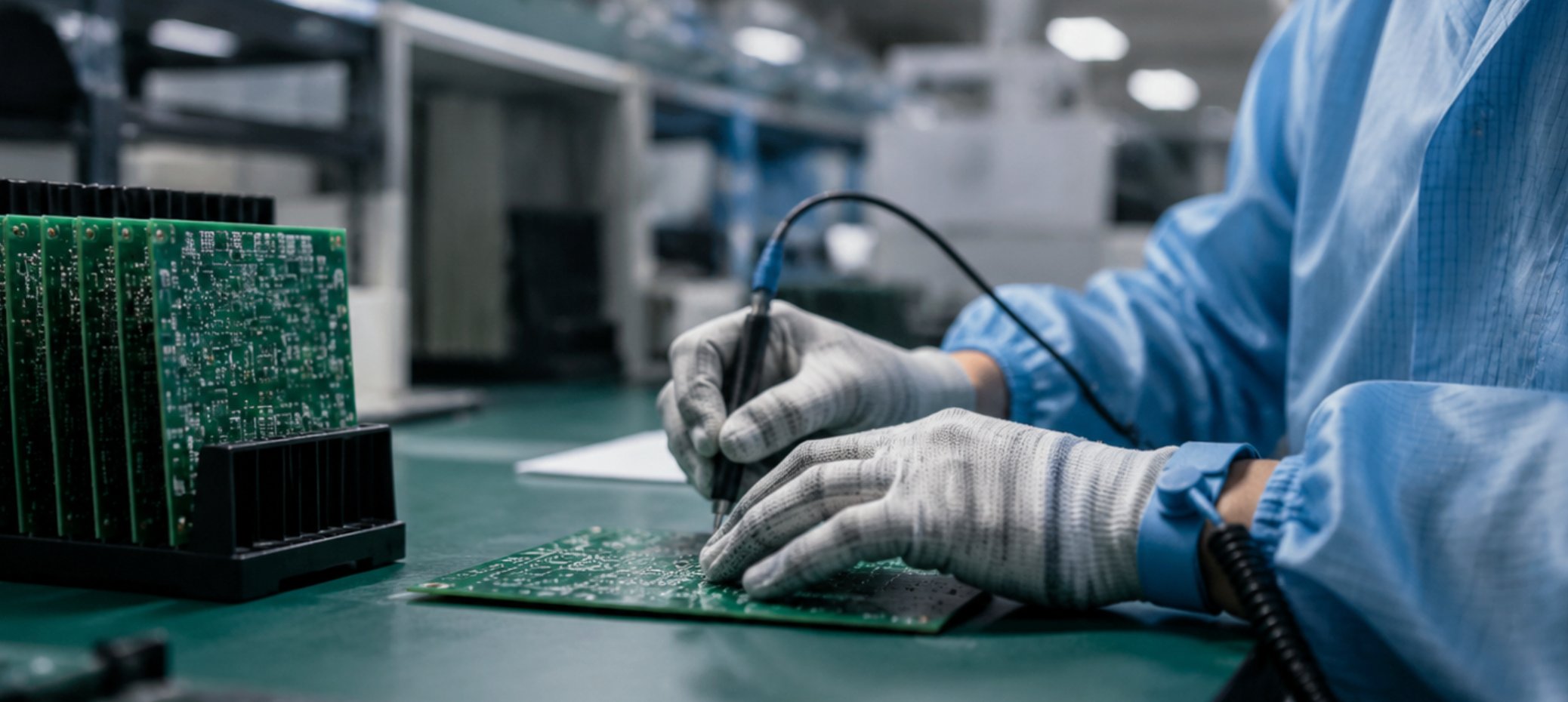
Medical Device PCBA — Designed for patient monitors, diagnostic instruments, and smart medical terminals. Must comply with ISO 13485, undergo 168+ hour burn-in testing, and be assembled in an ESD-protected cleanroom. Reliability is non-negotiable.
Smart Wearable PCBA — Powering smartwatches, TWS earbuds, and VR glasses. Demands ultra-thin rigid-flex PCBs, 01005 chip placement, and low-power RF tuning for BLE/WiFi/GPS. Miniaturization is the name of the game.
These three product types could belong to three different companies—or they could be three divisions of your own startup. The question is: do you really want to qualify and manage three separate ODMs?
2. Technical Capability Synergy: Why One Factory Beats Three
The beauty of consolidating your Industrial Motherboard, Medical Device PCBA, and Smart Wearable PCBA under a single ODM like NEWEI is that the technical capabilities overlap far more than most founders assume. The same SMT line that places BGA chips at ±0.01mm accuracy for an industrial board also handles the micro-BGA on a medical sensor module. The same SMT Assembly Services team that manages 0201 components for a wearable also ensures the 6-layer HDI stack-up for an IoT gateway is defect-free.
At NEWEI, all three product lines share:
One SMT production system — with programmable reflow profiles for different PCB thicknesses and materials.
One quality management framework — IPC-A-610 Class 2/3 standards applied uniformly across industrial, medical, and consumer builds.
One supply chain desk — combined purchasing power for PCB laminates, connectors, and passive components.
When you run three product lines in parallel, the cross-contamination is actually positive: lessons learned from medical-grade ESD protocols directly improve yield on your wearable line. Industrial thermal stress testing methods get adapted for long-duration medical burn-in. The whole becomes greater than the sum of its parts.
3. Compliance & Certification Coverage: One Team, Three Regulatory Paths
Hardware founders often underestimate the certification burden of multi-product portfolios. An Industrial Motherboard needs CE/FCC industrial compliance. A Medical Device PCBA requires ISO 13485 and FDA registration support. A Smart Wearable PCBA demands FCC/CE/RoHS/REACH for consumer electronics. Navigating these three regulatory worlds separately is a nightmare.
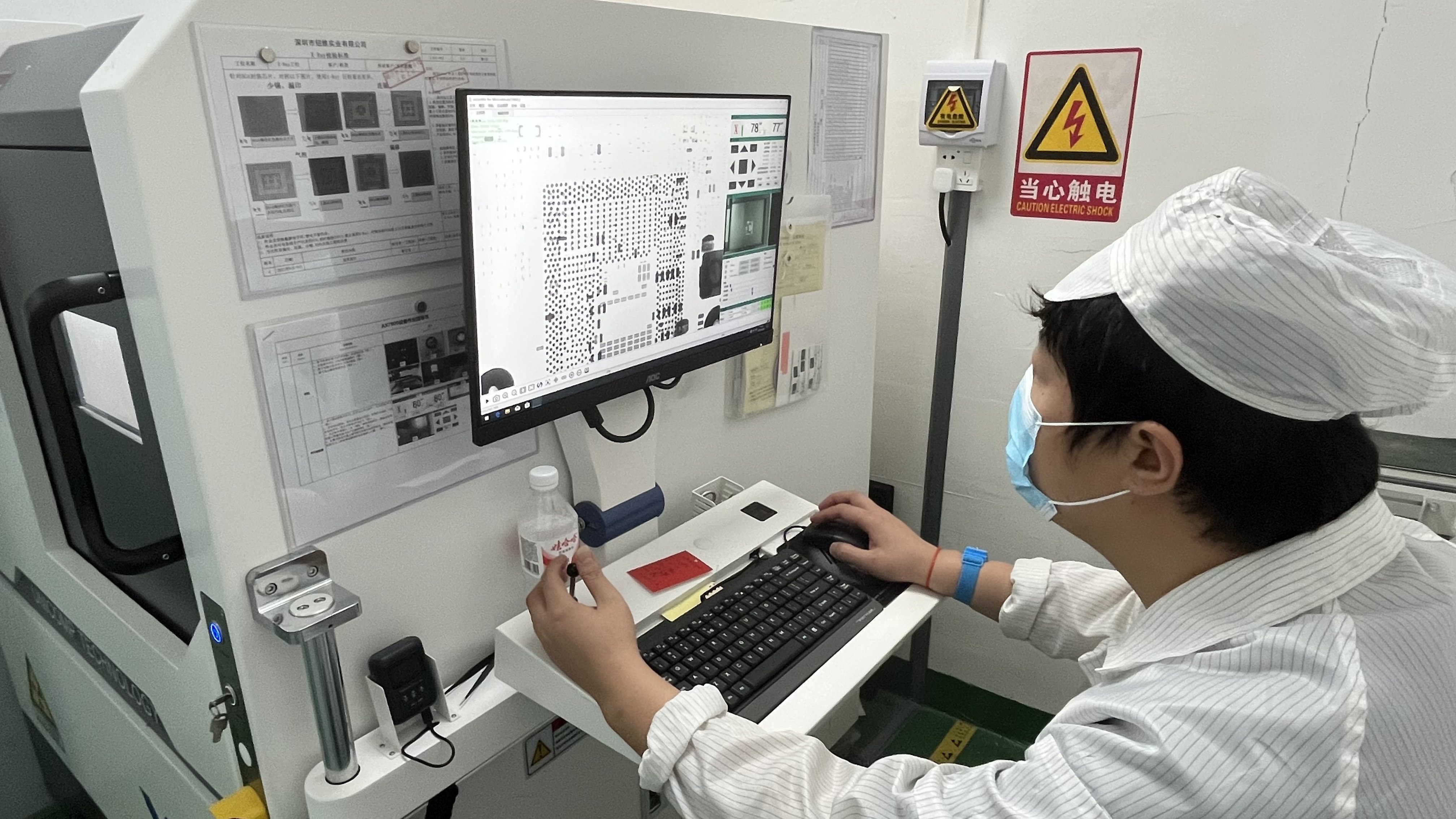
NEWEI’s compliance team handles all three in parallel. Because we already manufacture ISO 13485-certified medical PCBs in a dedicated cleanroom, the same facility and process discipline lifts the quality baseline for industrial and wearable products. Our Aging Test Services —originally developed for medical devices requiring 168+ hour burn-in—are now available for industrial motherboards that need extended lifecycle validation. The result? You get medical-grade reliability on your industrial line, and consumer-grade speed on your wearable line, all under one certification umbrella.
4. Supply Chain Cost Reduction & Efficiency: The Multi-Product Advantage
Let’s talk about the economics of consolidation. When you source Industrial Motherboard, Medical Device PCBA, and Smart Wearable PCBA from three separate vendors, you pay three NRE fees, maintain three safety stock buffers, and negotiate three separate payment terms. At NEWEI, we aggregate your volume across all three lines:
Combined PCB procurement — Our flagship industrial PC motherboard ODM platform pools your rigid, flex, and rigid-flex orders to secure better pricing on high-frequency laminates and FR4.
Shared stencil and fixture management — One set of solder paste stencils and test fixtures for all three products reduces tooling costs by up to 30%.
Unified BOM kitting — Common passive components (resistors, capacitors, inductors) are bought in higher volumes, driving per-unit cost down.
Reduced logistics overhead — One shipment, one customs clearance, one quality inspection per batch instead of three.
For a startup burning cash on product development, these savings aren’t just nice-to-have—they directly extend your runway. And because NEWEI offers comprehensive product assembly capabilities, we can deliver fully assembled and tested units, from prototype to mass production, cutting your time-to-market by weeks.
5. Product Development Comparison: Industrial vs Medical vs Wearable PCBA
To make the multi-product strategy tangible, here’s how the three lines compare across eight critical dimensions when manufactured under one ODM roof:
| Dimension | Industrial Motherboard | Medical Device PCBA | Smart Wearable PCBA |
|---|---|---|---|
| Application Scenario | Industrial automation, IoT gateway, machine vision, digital signage | Diagnostic instruments, patient monitors, smart medical terminals | Smartwatches, TWS earbuds, VR glasses, fitness trackers |
| Development Cycle | 8–12 weeks (including thermal & vibration validation) | 12–16 weeks (including biocompatibility & 168h burn-in) | 6–10 weeks (focus on miniaturization & RF tuning) |
| MOQ | 100–500 units (prototype); 1000+ (mass production) | 50–200 units (prototype); 500+ (medical batch) | 500–2000 units (prototype); 5000+ (mass production) |
| Key Process | HDI laser drilling, ±0.01mm BGA placement, conformal coating | Cleanroom assembly, ESD full protection, 168h aging test | Rigid-flex lamination, 01005 micro placement, low-power RF test |
| Typical DPPM | < 200 DPPM (Class 2 target) | < 50 DPPM (Class 3 target) | < 300 DPPM (consumer acceptable) |
| Certification Path | CE, FCC (industrial), UL 60950 | ISO 13485, FDA registration, IEC 60601 | FCC, CE, RoHS, REACH, Bluetooth SIG |
| PCB Layer Count | 6–12 layers HDI | 4–8 layers (high reliability, thicker copper) | 2–6 layers (ultra-thin, rigid-flex) |
| Placement Accuracy | ±0.01mm (0201, BGA) | ±0.015mm (micro-BGA, QFN) | ±0.02mm (01005, CSP) |
This table isn’t just a feature comparison—it’s a roadmap. When you choose a single ODM that masters all three profiles, you eliminate the risk of one vendor’s weakness becoming your bottleneck.
6. Conclusion: The Multi-Product ODM Advantage
If your hardware startup is building across Industrial Motherboard, Medical Device PCBA, and Smart Wearable PCBA, the most dangerous decision isn’t choosing the wrong product—it’s spreading your manufacturing across too many baskets. A single, experienced ODM like NEWEI gives you:
Unified quality control across industrial, medical, and consumer grades.
Shared technical expertise that improves every product line.
Consolidated compliance management covering CE, FCC, ISO 13485, FDA, RoHS, and REACH.
Cost savings through combined procurement and NRE amortization.
Faster time-to-market with one point of contact from prototype to mass production.
Stop juggling three vendors. Start leveraging one integrated ecosystem. Whether you need PCB Manufacturing for a 12-layer HDI board, SMT Assembly for 01005 components, Aging Test Services for medical-grade burn-in, or comprehensive product assembly—NEWEI delivers it all under one roof. Your job is to define the product. Our job is to manufacture all three, flawlessly.
As we covered in a recent company update, our multi-product ODM model has already helped several startups cut supplier count from four to one. Ready to consolidate your multi-product PCBA strategy? Contact NEWEI today for a free consultation and quotation. Let’s turn your three-line portfolio into a single-source success story.
Tags: PCB Assembly /Industrial ODM /Medical PCBA /Wearable PCBA /
Prev: 💰 PCB Fabrication and SMT Assembly ROI Analysis in Factory Culture
Next: NEWEI PCB SMT PCBA Incoming Quality Control Supply Chain Trend