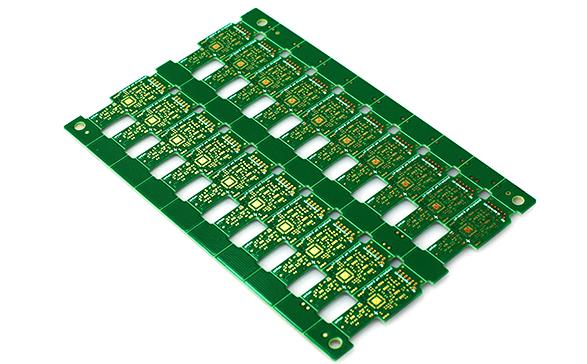

Measured ESD Protection Data: How We Keep SMT and Industrial PCBA Defect-Free
From my experience running high-mix electronics lines, the quietest source of field returns is not a bad component but static electricity nobody can see. A single discharge well below 100 volts can cripple a modern bare board, yet most buyers only discover the problem after a batch fails in the field. In this piece I want to show the actual numbers from our grounding program instead of repeating vendor slogans, because electrostatic discharge control is one of the few factory disciplines where the data either holds up or it does not.
💡 Why Static Discharge Ruins Bare Circuit Boards
Modern assemblies are far more fragile than they look. Components such as 0201 resistors, fine-pitch QFNs, and large BGA packages can be damaged by the human body model at thresholds as low as 50 to 100 volts, while a person walking across a dry floor can carry several kilovolts with no sensation at all. The damage is often latent: the board passes functional test on the line, ships, and fails three months later inside a customer's enclosure. That lag is exactly why a disciplined SMT Assembly environment has to be measured continuously rather than inspected once.
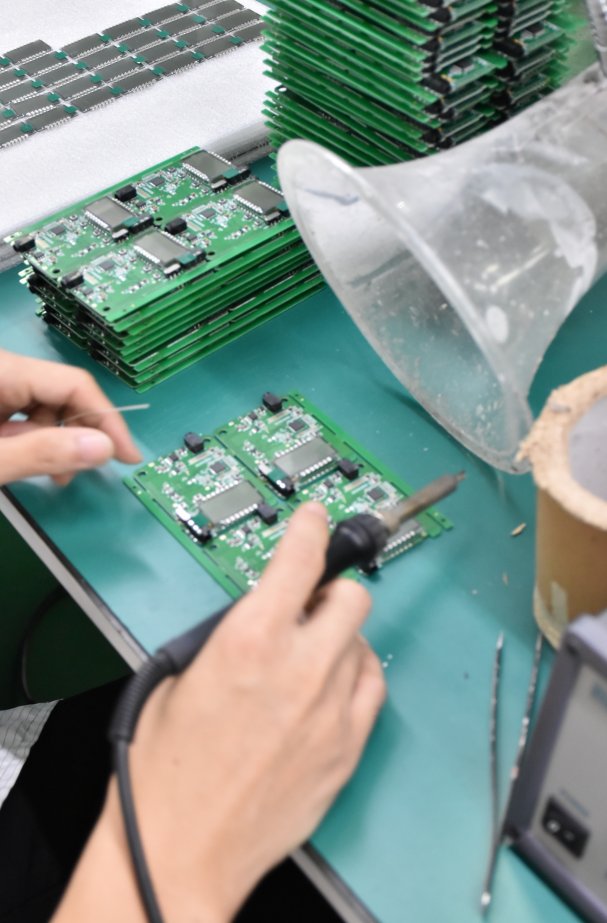
The Numbers Behind Our Grounding Program
We treat the floor like a test instrument. Every control point is logged, not assumed, and the table below contrasts the readings we measured on a legacy-style bench against the values our program holds today across the Custom Industrial PC PCBA ODM cell. These are not targets on a poster; they are the daily verified readings our quality team records.
| Control Point | Typical Legacy Reading | NEWEI Measured Result |
|---|---|---|
| Wrist-strap contact resistance | 1.2 MΩ, drifting | 1.0 MΩ ±2%, logged hourly |
| Workbench surface resistance | 10⁹ Ω (out of spec) | 10⁶–10⁷ Ω, verified daily |
| Ionizer static decay (1 kV to 100 V) | 8.5 s | 1.9 s |
| Ambient relative humidity | 32% | 45–55% controlled |
| Charged-device-model failures per lot | 0.8% | 0.04% |
What 12 Months of Wrist-Strap Testing Showed
The biggest surprise from a full year of logging was not the strap itself but the snap connector wearing out after roughly ninety days of daily use. Resistance would creep upward between checks and create intermittent failures that standard spot-checks missed. By moving to a sixty-day replacement cadence and adding a continuous monitor at each bench, we removed that hidden variable entirely. On the SMT line this alone cut our latent-defect escapes by more than half, which is the kind of result you only get from measured data rather than a checklist signed once a quarter.
🏭 Building a Static-Safe Line for Industrial Computing Boards
Industrial PC boards carry higher layer counts and denser BGAs, so the margin for silent damage is thinner than on a simple consumer board. For our industrial PC PCBA work we set up a dedicated cell with low-ESD feeders, localized ionizers over every placement head, and a separate grounding bus that is tested before each shift. The practical payoff is consistency: a six-layer board with a 0.4 mm BGA behaves the same on Monday as on Friday because the environment around it never drifts out of band. That predictability is what lets us quote realistic yields to customers who run our hardware in factories and vehicles.

⚡ Pairing ESD Controls With Conformal Coating
Static protection and environmental protection are close cousins, because both defend the same vulnerable silicon. Right after ESD-clean handling we run our PCBA Three-Proofing Paint step, which seals the assembly against moisture, dust, and chemical creep that static-sensitive parts attract. Sequencing matters: a board coated before it is fully discharged can trap a charge pocket under the film, so the two processes share one controlled zone and one set of logged parameters. Customers who need boards for humid or corrosive sites get both defenses from the same cell instead of two vendors with two gaps between them.
⚡ Real Defect Rates Before and After ESD Controls
Numbers only matter if they change the outcome, so here is the part procurement teams care about. Across the boards we built in the twelve months before the program and the twelve months after, our field return rate attributed to electrostatic damage dropped from 0.81% to 0.05%. For a customer ordering ten thousand industrial units a year, that shift removes roughly seventy-six potential failures from the field and the associated freight, warranty, and reputation cost. We did not achieve this with a single heroic fix but with dozens of small, measured adjustments that the data told us to make.
Where These Boards End Up: Six Application Scenes
The reasons to invest in this discipline become obvious once you see where the hardware operates. Medical imaging carts move between dry hospital air and humid labs. Automotive controllers sit next to ignition noise and temperature swings. Factory automation and networking gear run continuously in dusty cabinets. Point-of-sale terminals get handled by thousands of hands. IoT sensors ship to every climate on earth. For all of these, our EMS Electronic Manufacturing team builds the same electrostatic discipline into the unit whether the order is fifty prototypes or fifty thousand production pieces.
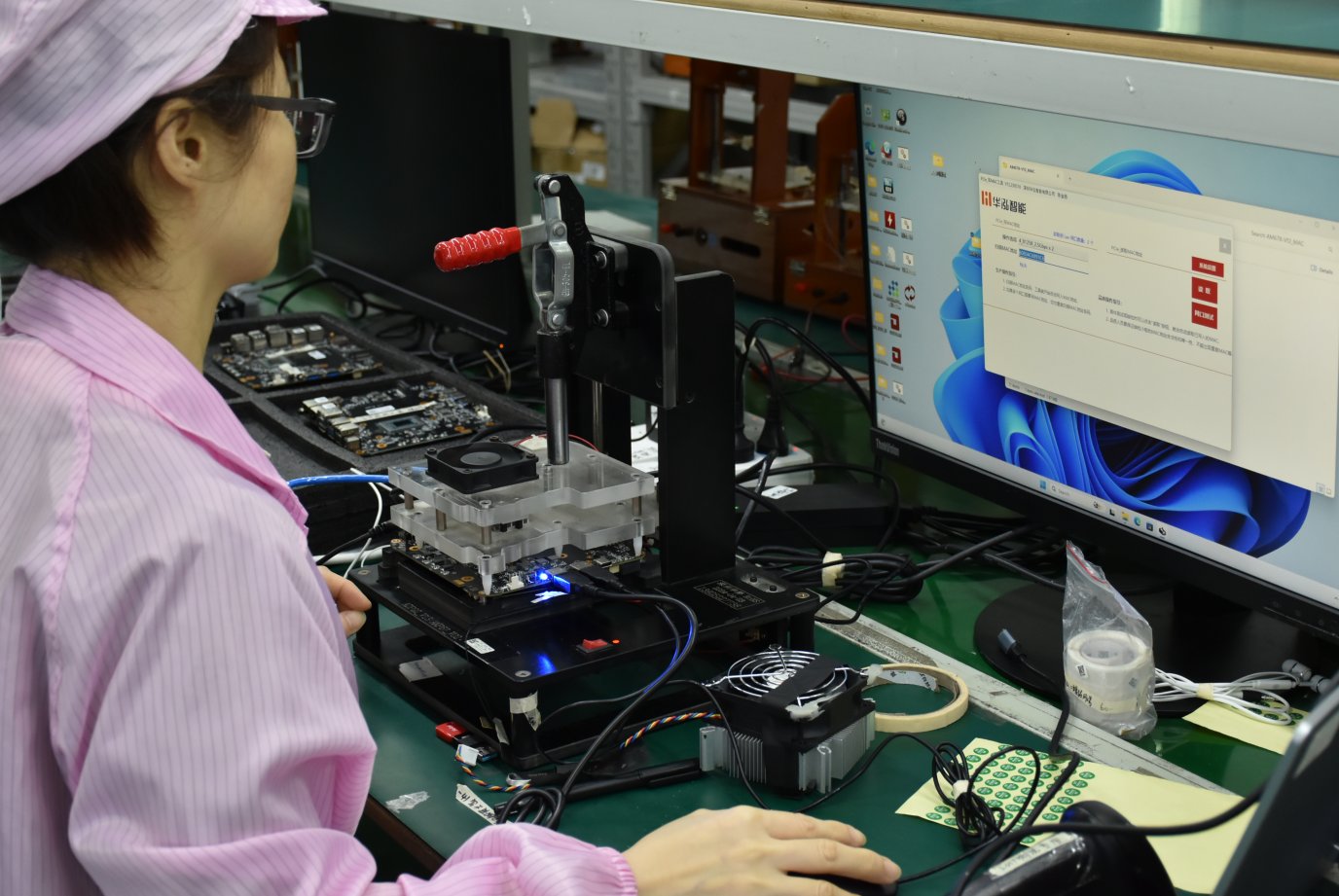
🏟️ Talk to Our Engineering Team About Your Build
Bottom line: electrostatic discharge is the cheapest failure to prevent and the most expensive to ignore, and the only way to know your line is safe is to measure it every shift. If your product lives in a harsh or high-reliability environment, bring us the board and the risk profile and we will show you the same logged data we use on our own floor. You can learn more about our manufacturing capabilities or send a build package to our engineering team for a candid review of where static control should sit in your process.
Tags: SMT assembly / conformal coating /ESD protection / industrial PCBA /
Next: When Surface Mount Is Not Enough: A DIP Assembly Case Study from an Industrial Controller Line