
PCB Fabrication and Custom Industrial PC PCBA ODM: How a First Mass-Production Run Cleared Its Hardest Hurdles
My view upfront: The riskiest moment in any hardware program is the jump from a prototype that works on the bench to a production lot that survives in the field. Most teams budget for the design and forget the process engineering that sits between. When a customer hands you both the bare board and the populated industrial PC at the same time, you are not buying two services, you are buying one continuous chain of accountability. That chain is where first-pass yield is won or lost.
A controls-equipment maker reached out earlier this year with a familiar story. Their engineering team had a capable industrial PC design and a prototype that behaved perfectly in the lab. What they lacked was confidence that the same result would show up on the five-thousandth unit rolling off the line. They had been quoted by separate vendors for the substrate and the assembly, and the two quotes, read together, described two different products. That mismatch is the quiet killer of mass-production launches.
The Spec Sheet Looked Simple Until the Prototype Came Back
Their industrial PC carried a six-layer board with two fine-pitch BGAs, a handful of high-speed differential pairs, and a housing that would live on a factory floor. None of that is exotic on paper. The trouble started when the first small batch returned from a split supplier arrangement: one vendor made the bare boards, another placed the parts, and neither owned the interface where the two met. Impedance on the differential pairs drifted just enough to push a few units outside tolerance. The customer did not have a process problem. They had a handoff problem.
Where the Real Difficulty Hid
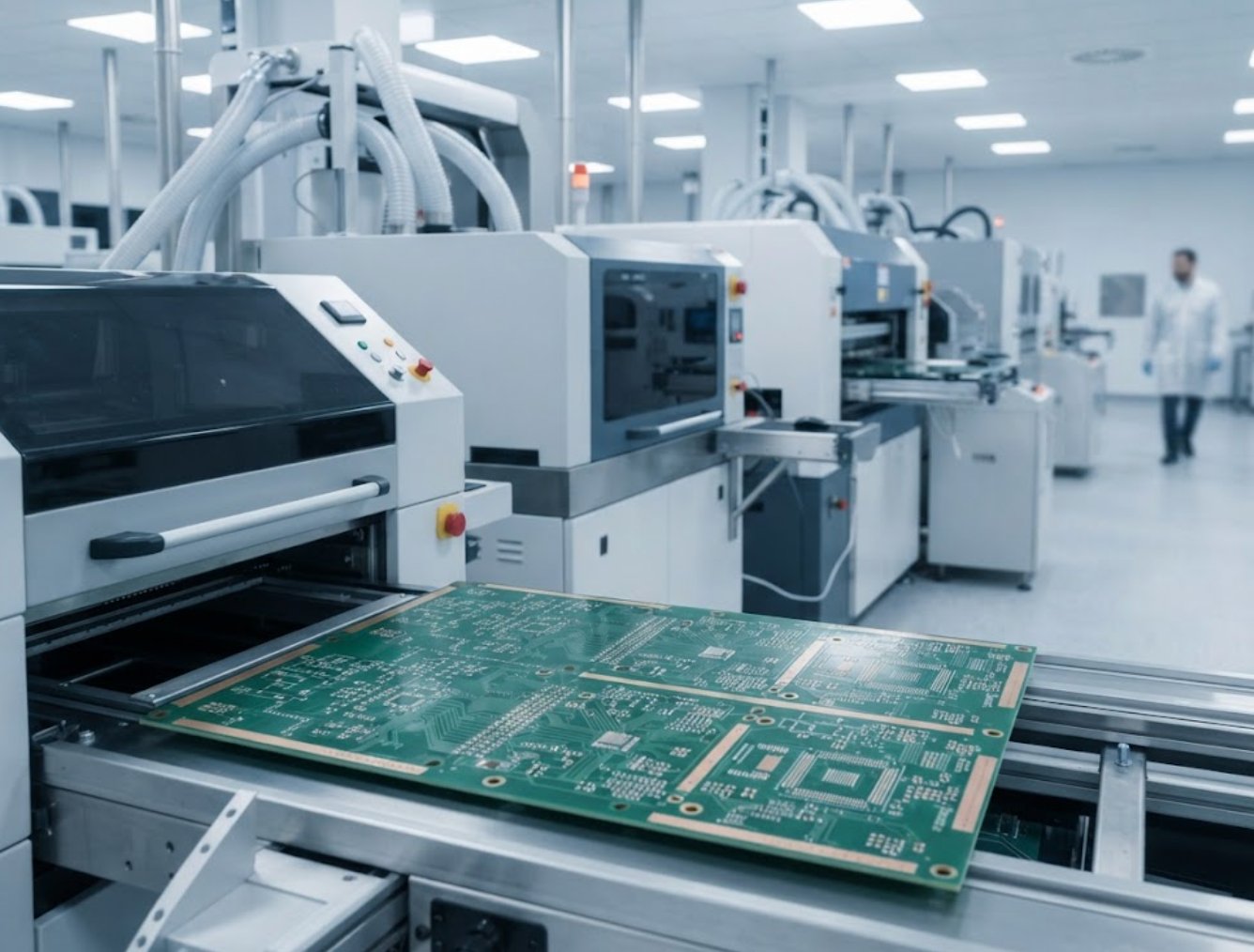
Pull the curtain back and the hard parts of this program were never the obvious ones. They were the interfaces. A SMT assembly line can place a 0.4 mm pitch component all day long, but if the substrate underneath was not fabricated with controlled impedance and flat registration, the placement is solving a problem the board already created. We re-ran the stack-up, tightened the dielectric tolerance, and brought the bare board and the placement under one process owner.
Impedance is a board problem before it is a placement problem
The differential pairs needed tight tolerance across temperature. That is decided at the fabrication stage, in the prepreg selection and the etch control, not at the pick-and-place machine. Treating fabrication and assembly as one discipline let us tune the stack-up and then verify it on the same floor, instead of shipping blame between two companies.
Environmental protection decides field life, not lab life
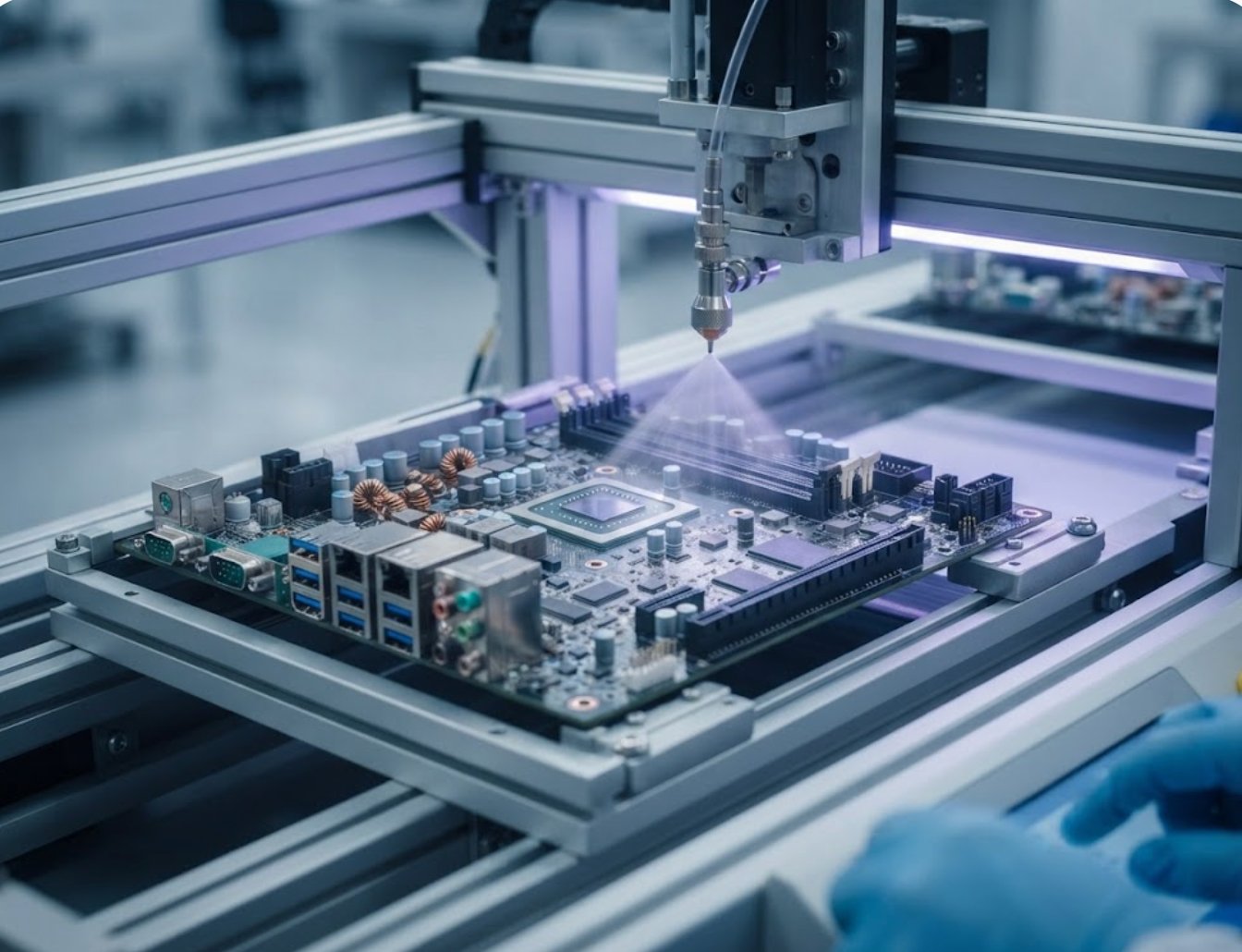
An industrial PC on a factory floor meets dust, condensation, and temperature swings that a lab never produces. A conformal coating (three-proofing) step is not cosmetic here. It is the difference between a board that lasts three years and one that fails in eighteen months. We qualified the coating thickness and coverage on the actual populated board, not on a test coupon, because coverage on a real assembly with tall capacitors is a different problem from coverage on a flat sample.
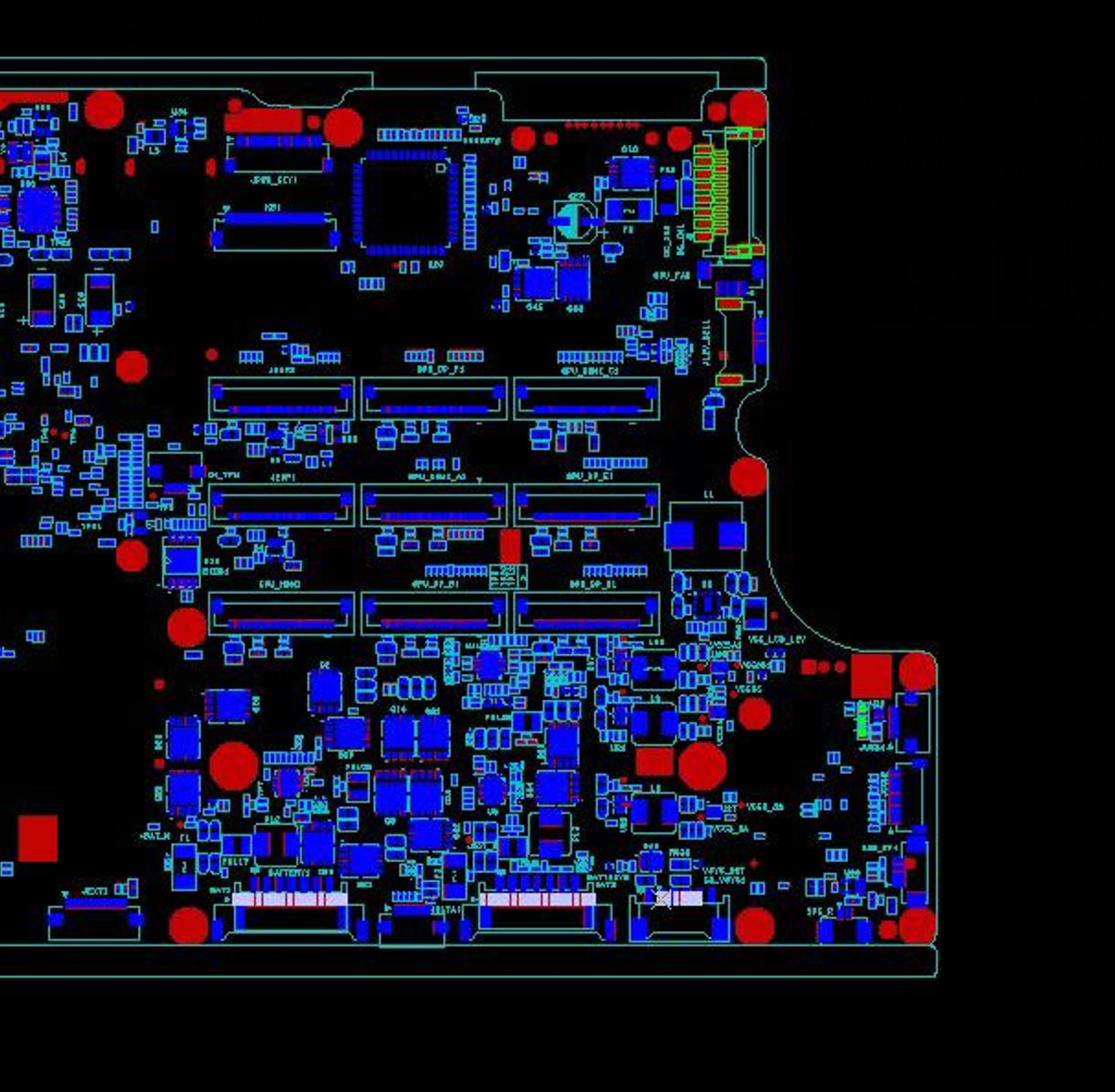
Building the Board and the Bare Substrate Under One Roof
This is the part most procurement plans get wrong. The customer's program needed both the bare six-layer substrate and the populated industrial PC, and the smartest move was to stop treating them as two purchases. By pairing Custom Industrial PC PCBA ODM with in-house substrate manufacturing, the same engineering team owned the stack-up, the placement, the coating, and the test. When a tolerance question came up, the person who answered it was the person who could change the next panel, not a vendor three time zones away.
What the two disciplines share that buyers miss
The synergy is not just convenience. Fabrication controls registration and impedance; assembly controls placement and reflow; coating controls field reliability; and all three feed the same functional test. When one owner runs the chain, a finding in test can be traced back through coating, placement, and fabrication in the same afternoon. In a split model that same loop is a week of email. For a first production run, that loop speed is the difference between shipping on schedule and explaining a delay to a distributor.
Scenes Where This Combination Pays Off
The pattern repeats across industries, and the customer cases line up neatly:
Factory automation controller: six-layer board, two BGAs, lives in a panel cabinet with vibration and heat; needs controlled impedance and conformal coating from the same owner.
Outdoor kiosk motherboard: condensation and temperature swing demand three-proofing validated on the real populated board, not a coupon.
Medical cart computer: traceability and clean process documentation required across fabrication and assembly under a unified quality framework.
Logistics edge gateway: short runs with frequent revision; fast loop between board change and placement verification keeps lead time short.
Energy monitoring node: high-speed sampling pairs that must hold tolerance across the full operating band.
Smart agriculture terminal: dust and humidity in the field make coating coverage the deciding factor in field life.
None of these programs fails because the design was weak. They stall because the build chain had too many handoffs for the tolerance they asked for.
What the Second Batch Taught Us
By the second production lot, first-pass yield on the differential pairs had moved from a worrying number to a stable one. The change was not a new machine. It was removing the seam between substrate and assembly. The table below shows the practical shift we tracked on this program:
| Step | Split suppliers | One-chain ownership |
|---|---|---|
| Impedance verification | After assembly, often late | At fabrication, before placement |
| Coating validation | Coupon only | On populated board |
| Failure loop time | About 5 days across vendors | Same afternoon |
| First-pass yield (diff pairs) | About 91 percent | About 99 percent |
Lessons Worth Repeating Before You Commit Volume
If you are about to sign a volume order that includes both a bare board and a populated industrial PC, ask one question first: who owns the interface between the two? If the answer is two companies, price the waiting and the blame-shifting into your plan, because it will show up. If the answer is one electronics manufacturing services partner running the chain end to end, the hard process problems stop being your problem and start being theirs, which is exactly where they belong.
The customer shipped their first full volume run on schedule, and the boards that came back from the field matched the boards that left the line. That is the only metric that matters, and it is the one a split supply chain quietly puts at risk.
Tags: custom industrial PC / PCBA ODM / electronics manufacturing /
Prev: Product Assembly and EMS Electronic Manufacturing: Cutting Packaging and Delivery Cost per Unit
Next: Measured ESD Protection Data: How We Keep SMT and Industrial PCBA Defect-Free