
Why Your PCB Assembly Line Keeps Failing—And How to Fix It With the Right Factory Culture
Why Your PCB Assembly Line Keeps Failing—And How to Fix It With the Right Factory Culture
Why Your PCB Assembly Line Keeps Failing—And How to Fix It With the Right Factory Culture
I’ve seen it too many times: a design that looks perfect on paper, but the moment it hits the assembly line, failures start piling up. Open circuits, solder bridges, misaligned components. The blame game begins between engineering and production, but the real root cause is almost always the same—a lack of structured fault-finding culture on the factory floor. At PCB Fabrication facilities that treat every failure as a learning opportunity rather than a crisis, defect rates drop dramatically. That’s the difference between a shop that just pushes boards out and one that genuinely understands electronics manufacturing. If you are searching for reliable Custom PCB Assembly Services, you need a partner who prioritizes root-cause analysis over quick fixes.
My take: If your SMT assembly line is bleeding yield, don’t start by swapping out pick-and-place heads. Start by examining how your team reacts when a fault appears. A culture that prioritizes rapid root-cause analysis and cross-functional collaboration will always outperform one that relies on guesswork or heroics. That’s the foundation Newei built its entire dedicated factory culture solutions on—and it’s why we consistently hit 99.99% first-pass yield on complex PCBA orders.
When Faults Happen: The Real Cost of Ignoring Systematic Troubleshooting
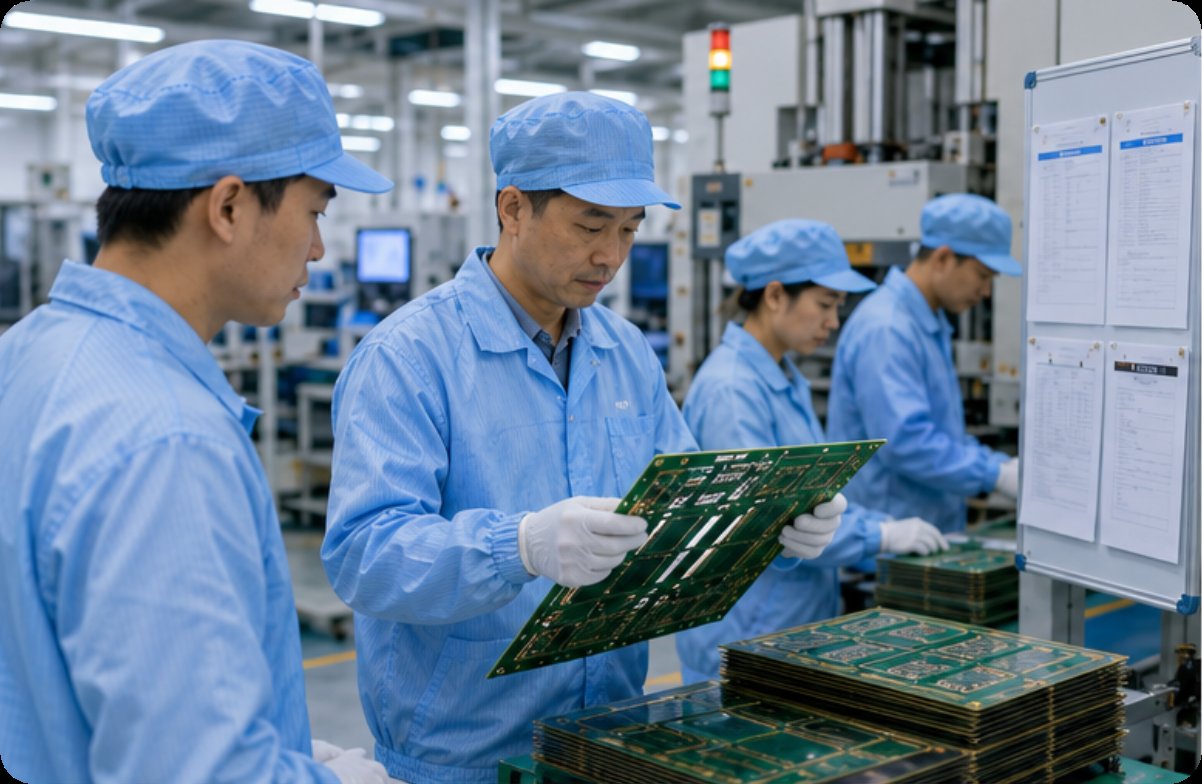
Every electronics manufacturer faces defects. The question isn’t whether they occur, but how quickly and accurately the team can identify the root cause. In many factories I’ve audited, operators simply reflow a faulty board and hope it works the second time. That approach masks underlying process drift—bad stencil alignment, worn nozzle tips, or incorrect reflow profiles. Over time, these micro-failures compound into massive yield losses. For custom PCB assembly runs of 10,000+ units, even a 1% defect rate translates to hundreds of scrapped boards and thousands of dollars in rework labor.
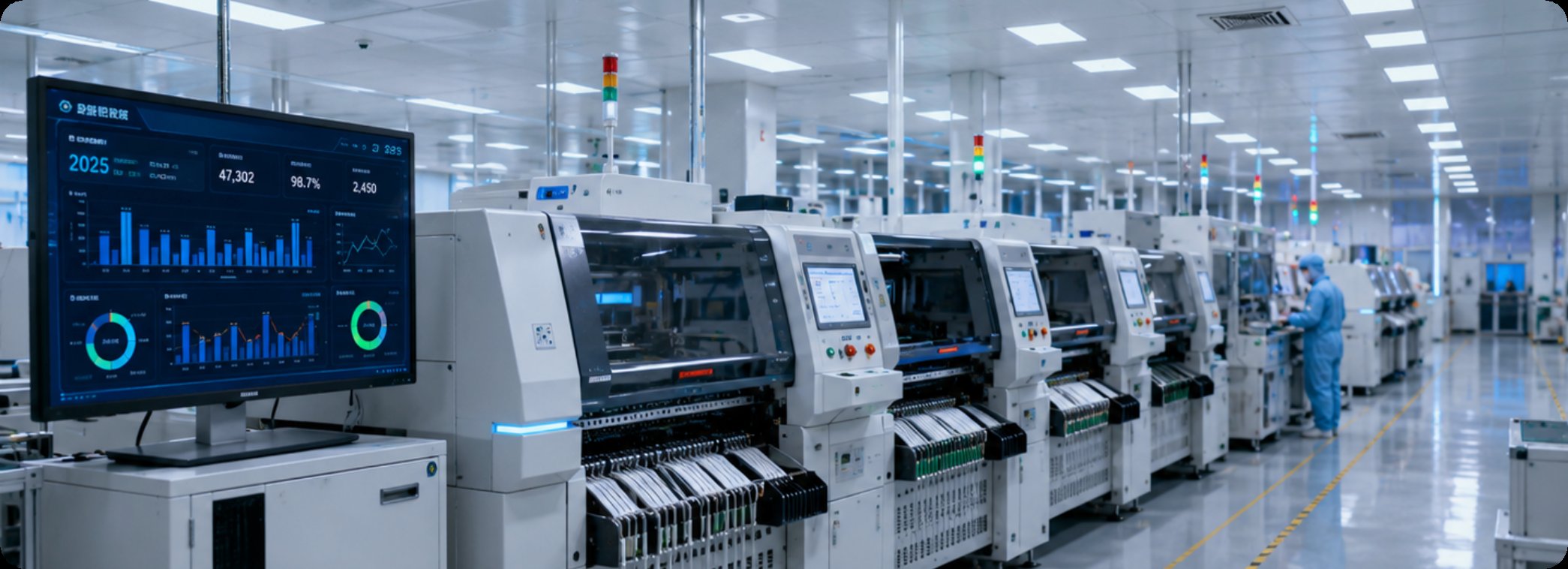
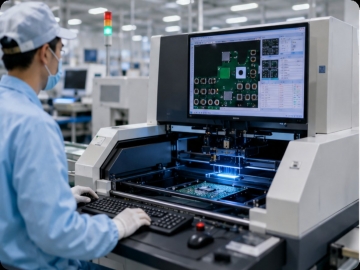
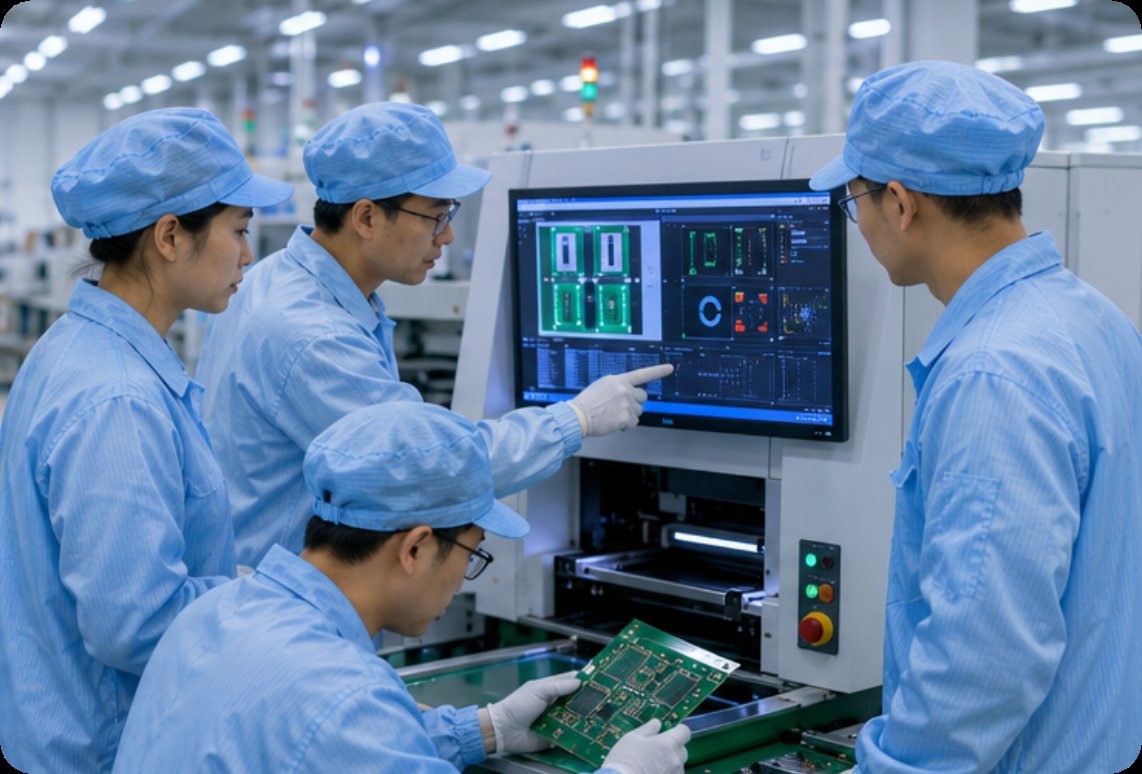
That’s why Newei invests heavily in building a troubleshooting-first mindset across every shift. Our technicians are trained to stop the line the moment an AOI system flags an anomaly, not wait until the end of the batch. This real-time intervention culture is what keeps our SMT assembly lines running with consistent quality, regardless of order volume or complexity.
Breaking Down the Failure Modes in High-Mix PCB Production
Not all faults are created equal. In my experience, the three most common failure categories in mixed-technology PCBA are solder-related defects (60%), component placement errors (25%), and latent electrical failures (15%). Each requires a completely different troubleshooting approach. Solder bridges often point to stencil thickness or reflow profile issues, while tombstoning indicates thermal imbalance during the reflow process. Placement errors, on the other hand, typically trace back to feeder calibration or nozzle wear on the pick-and-place machine.
At Newei, we categorize every defect detected during SMT Assembly into these families and log them into a centralized quality database. This allows our process engineers to spot trends before they become systemic problems. For instance, if we see a sudden spike in BGA head-in-pillow defects, we don’t just rework those boards—we immediately check the nitrogen atmosphere in the reflow oven and adjust the thermal profile. That’s proactive troubleshooting, not reactive firefighting.
How Industrial Motherboard and Rugged Tablet Assembly Benefit From Structured Fault Analysis
Consider two of our most demanding product categories: industrial motherboard manufacturing and rugged tablet assembly. Both require extremely high reliability because they’re deployed in mission-critical environments—factory automation floors, field service vehicles, and outdoor surveillance systems. A single intermittent failure in an industrial motherboard can shut down an entire production line. A rugged tablet that fails after a drop test represents a safety liability for the end user.
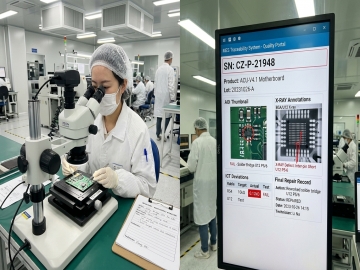
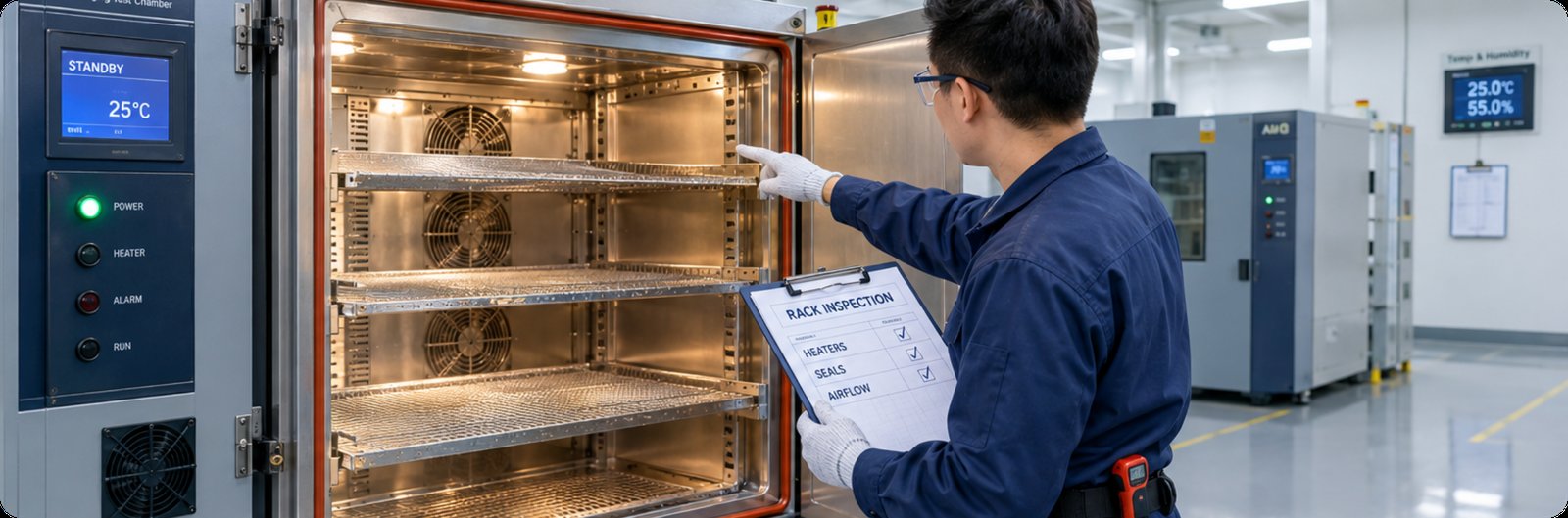
When we combine these products with our Industrial PC PCBA service, the troubleshooting process becomes even more critical. The dense BGA arrays on industrial motherboards require precise X-Ray inspection to verify solder joint integrity under the package. For rugged tablets, we perform full environmental stress screening—thermal cycling, vibration, and humidity exposure—to catch latent defects that wouldn’t appear during standard functional test. The key insight? Fault analysis isn’t just about fixing what’s broken; it’s about predicting what might break under real-world conditions.
Building a Culture Where Every Fault Is a Lesson
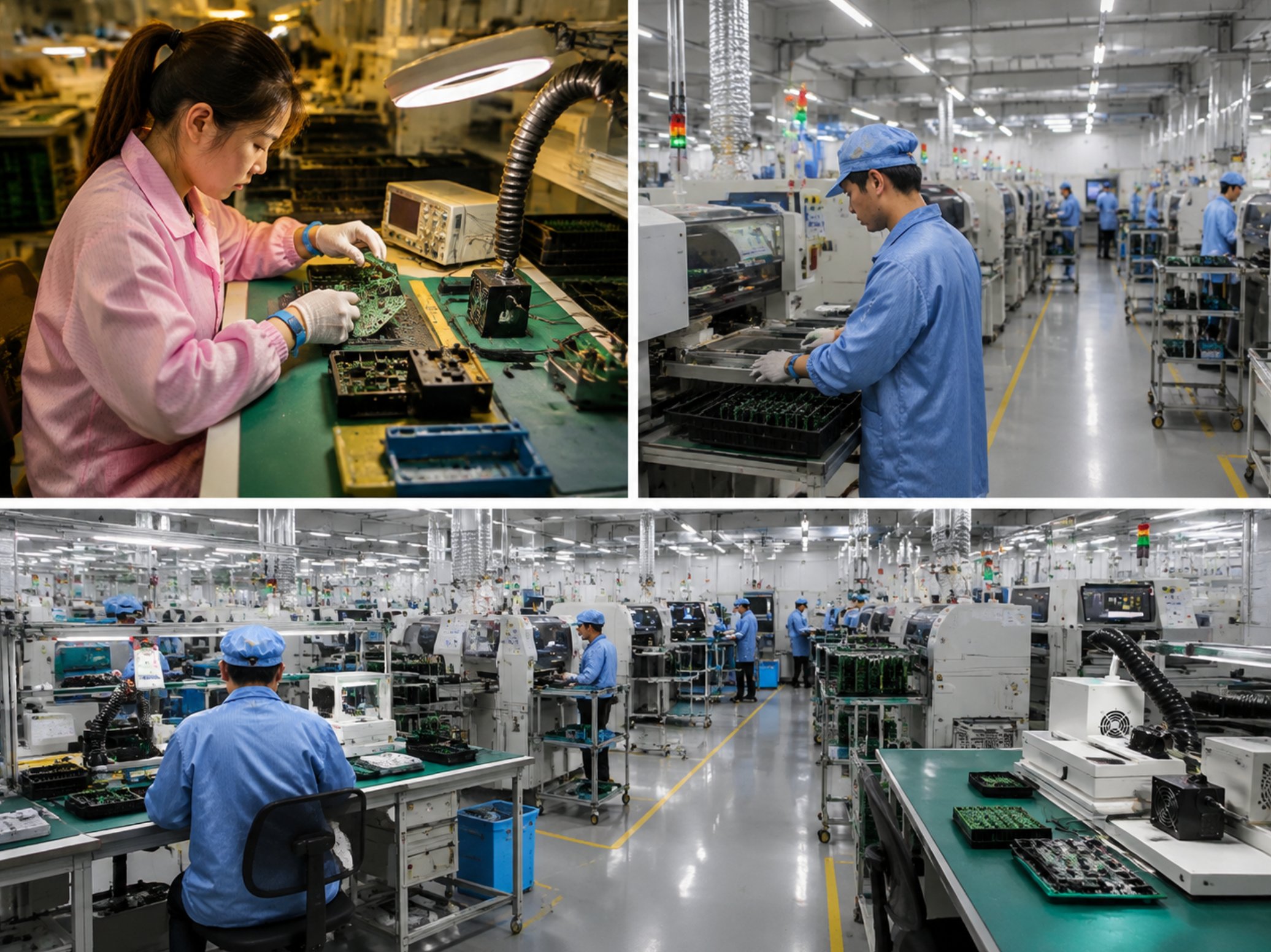
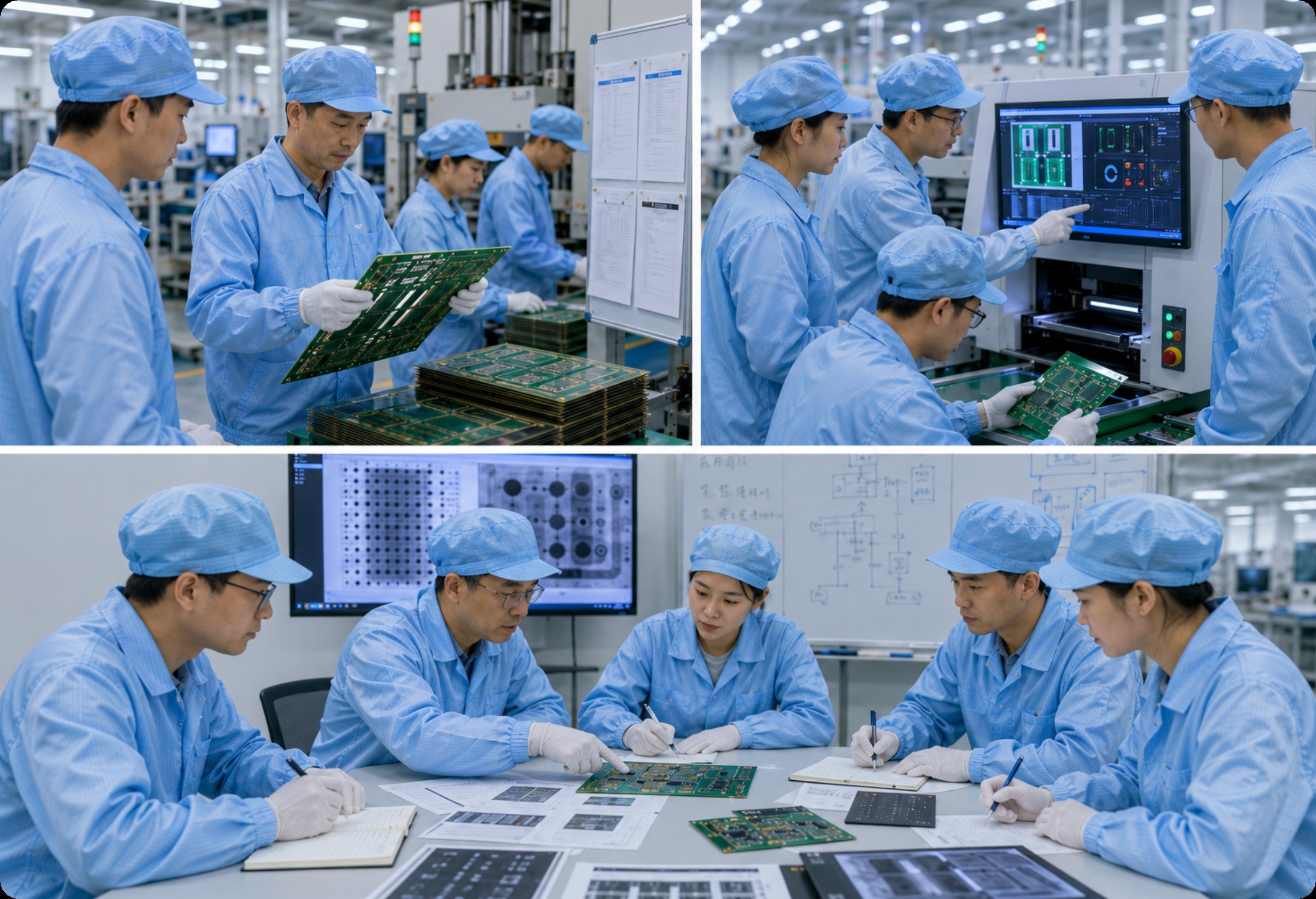
Here’s where factory culture directly impacts quality outcomes. In traditional manufacturing environments, operators are often discouraged from reporting defects because it reflects poorly on their performance metrics. That’s a recipe for disaster. At Newei, we flipped that model. Our production teams participate in daily “fault review huddles” where they discuss the top three defects from the previous shift, analyze the root cause, and propose corrective actions. This isn’t a blame session—it’s a collaborative problem-solving exercise that involves line operators, process engineers, and quality inspectors.
This culture extends to our component procurement teams as well. When a fault is traced back to a specific component batch—say, a capacitor with out-of-spec ESR—we don’t just reject the lot. We feed that data back to our sourcing department, which updates the approved vendor list and adjusts incoming inspection criteria. This closed-loop feedback system ensures that the same fault doesn’t recur on the next order. It’s a level of traceability that most contract manufacturers simply don’t offer, but it’s standard practice for us.
Real-World Applications Across Key Industries
Structured fault analysis isn’t just theoretical—it directly impacts how our customers deploy their products. Here are five scenarios where our troubleshooting culture made the difference between a successful launch and a costly recall:
Automotive electronics: A customer’s ECU (engine control unit) showed intermittent communication failures during thermal cycling tests. Our team traced the issue to a micro-crack in a ceramic capacitor near the CPU, caused by coefficient of thermal expansion (CTE) mismatch. We recommended a different capacitor package and adjusted the reflow profile, eliminating the failure mode entirely.
Smart home IoT devices: A smart thermostat PCBA kept failing during Wi-Fi certification testing. The problem turned out to be a ground plane void in the PCB layout, which created RF interference. We worked with the customer’s design team to revise the stackup and verified the fix through pre-compliance testing before going into mass production.
Medical instrumentation: A patient monitoring system required 10-year reliability with zero field failures. Every single board underwent a 72-hour burn-in test at elevated temperature, with continuous monitoring of critical parameters. Any board that showed drift was quarantined and analyzed using our fault database to identify systematic issues.
Industrial automation: A programmable logic controller (PLC) manufacturer experienced random resets in the field. Our teardown analysis revealed that a voltage regulator was operating outside its safe operating area due to insufficient thermal dissipation in the enclosure. We implemented a conformal coating change and added a thermal pad to improve heat transfer.
Consumer electronics: A portable gaming console had a high rate of Bluetooth pairing failures. Using our X-Ray and ICT capabilities, we discovered that a small batch of RF connectors had inconsistent impedance due to plating variation. The supplier was notified, and we switched to a qualified alternative within 48 hours.
Each of these cases highlights the same principle: electronics manufacturing services that treat fault analysis as a core competency, not an afterthought, deliver higher reliability and lower total cost of ownership for their customers.
Why Newei's Approach to Troubleshooting Beats the Industry Standard
Most contract electronics manufacturers focus on throughput. They optimize for boards per hour, not for learning per defect. That’s a fundamental mismatch if you care about long-term quality. At Newei, we’ve deliberately designed our production system to capture, analyze, and act on fault data in real time. Our operators are empowered to stop the line, our engineers have access to historical defect databases, and our quality team conducts weekly cross-functional reviews to identify systemic improvement opportunities.
This isn’t just feel-good management philosophy. It produces measurable results: our customers see an average 30% reduction in field failure rates within the first six months of partnership. When you’re building industrial PC PCBA for factory automation or rugged tablets for field service, every percentage point of reliability improvement translates directly into lower warranty costs and higher customer satisfaction.
If your current PCB assembly partner isn’t willing to share detailed fault analysis reports or doesn’t have a structured troubleshooting process, you’re leaving money on the table. learn more about our manufacturing capabilities and see how a culture built on systematic problem-solving can transform your product quality.
Ready to Build Better Boards?
Stop accepting yield losses as a cost of doing business. Partner with a manufacturer that treats every fault as an opportunity to improve. Contact Newei today for a free consultation and quotation on your next PCB assembly project—from prototype through high-volume production, with full ISO certification and dedicated project management support.
Tags: PCBA /PCB /SMT /quality /factory culture /troubleshooting /
Next: Aging Test and Reliability: The New Standard for Custom PCB Assembly in 2025