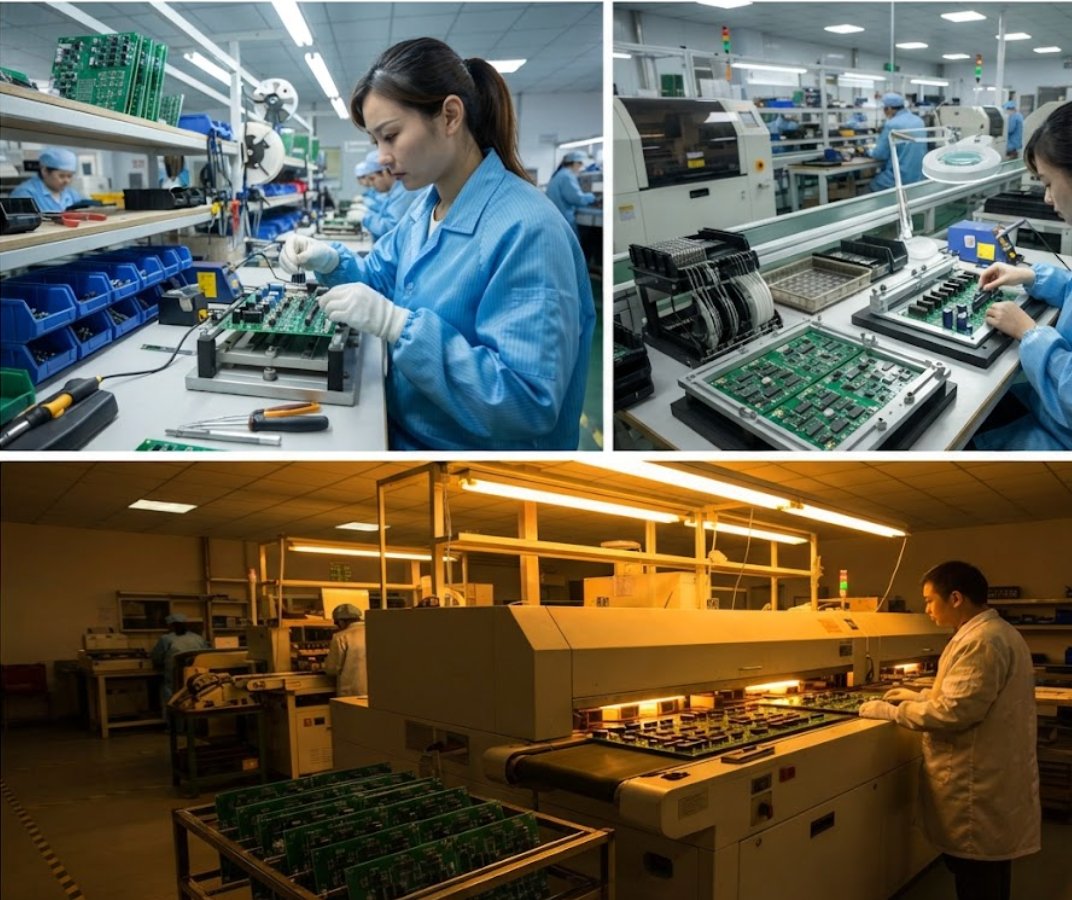

NEWEI Customer Case Study and Industry Trends: PCB, PCBA and SMT Assembly Success Stories
5 Trends Reshaping Custom PCB Assembly & Electronics Manufacturing Services in 2025
5 Trends Reshaping Custom PCB Assembly & Electronics Manufacturing Services in 2025
The electronics manufacturing landscape is shifting faster than most OEMs can keep up with. Supply chain volatility, rising demand for miniaturization, and the push for faster time-to-market are forcing brands to rethink their approach to Custom PCB Assembly. As someone who has spent years working alongside contract manufacturers, I can tell you that the days of simply sending a Gerber file and hoping for the best are over. Today, the winners are those who treat their Custom PCB Assembly Services partner as an extension of their own engineering team. The best in the business don't just build boards—they build trust through PCB Fabrication expertise that spans from prototype to high-volume production.
My take: The biggest mistake I see is companies focusing solely on unit price while ignoring total cost of ownership—yield rates, lead time reliability, and post-assembly testing. A partner like NEWEI that integrates SMT, DIP, and functional testing under one roof is no longer a nice-to-have; it's a competitive necessity. The market is moving toward vertically integrated EMS providers, and those who adapt early will own their category.
From industrial automation to consumer IoT, the demand for high-mix, low-to-medium volume production with zero-defect quality is exploding. Let's walk through the five key trends that are defining Electronics Manufacturing Services right now, and how forward-thinking OEMs are leveraging them to gain a real edge.
1. Vertical Integration Is No Longer Optional—It's the Baseline
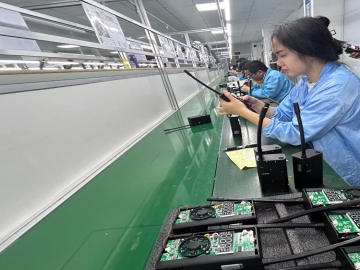
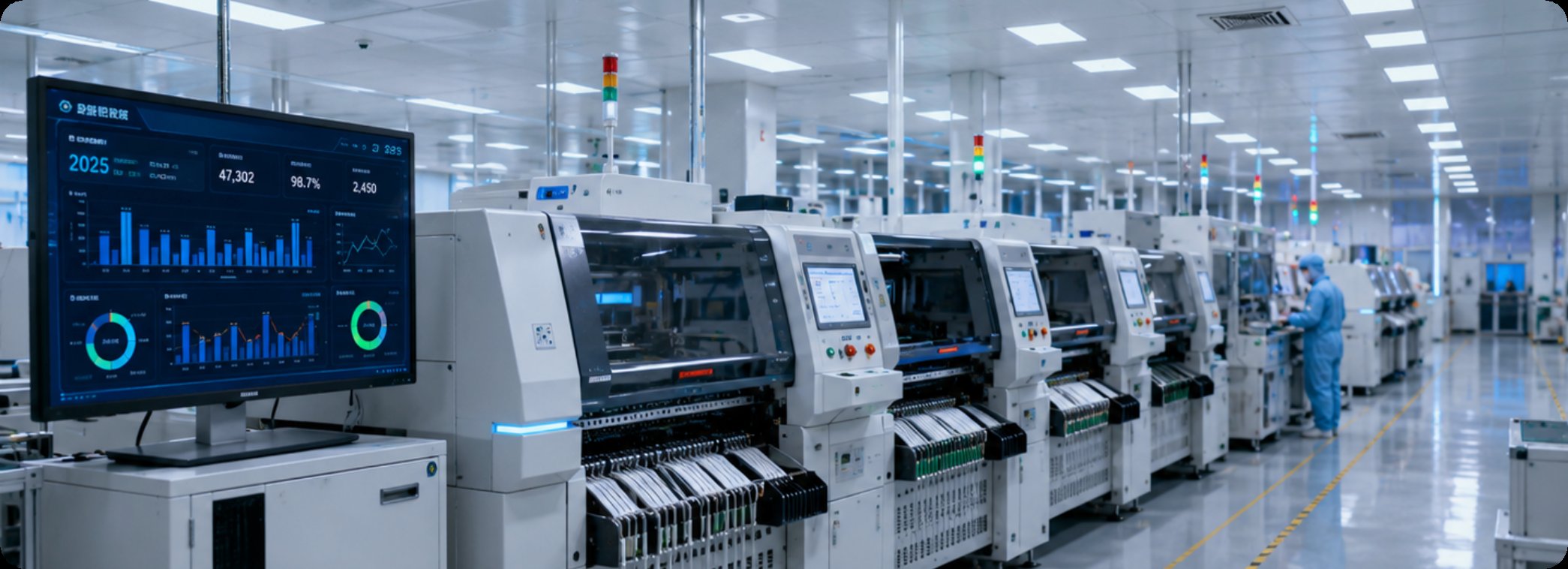
One of the most significant shifts in PCBA over the past two years is the move away from fragmented supply chains. OEMs are consolidating their vendor lists, choosing partners who can handle everything from PCB Fabrication to component procurement, SMT placement, and final box build. This isn't just about convenience—it's about risk mitigation. When you have a single point of accountability, you cut out the finger-pointing that kills timelines.
When you work with a single point of contact, like NEWEI's SMT Assembly line integrated with their in-house DIP and testing capabilities, you eliminate the handoff errors that plague multi-vendor projects. I've seen projects where a simple miscommunication between a board house and an assembly house caused a two-week delay and $15k in scrapped material. Vertical integration solves that. It's not just a nice feature—it's the new baseline for any serious Electronics Manufacturing Services provider.
2. Miniaturization Drives Demand for Advanced Process Capabilities
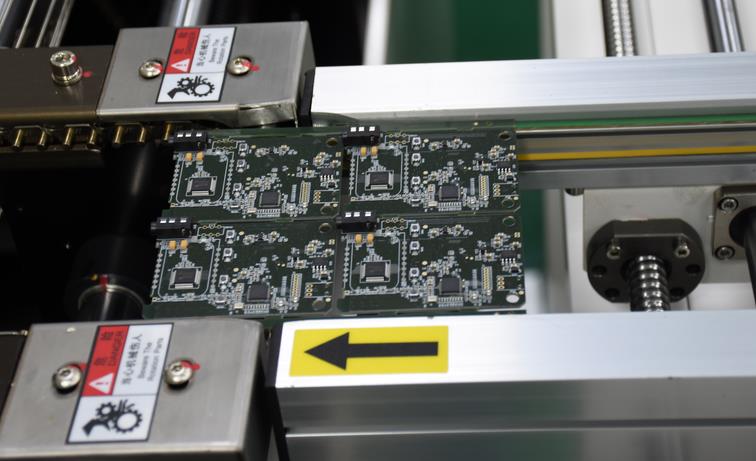
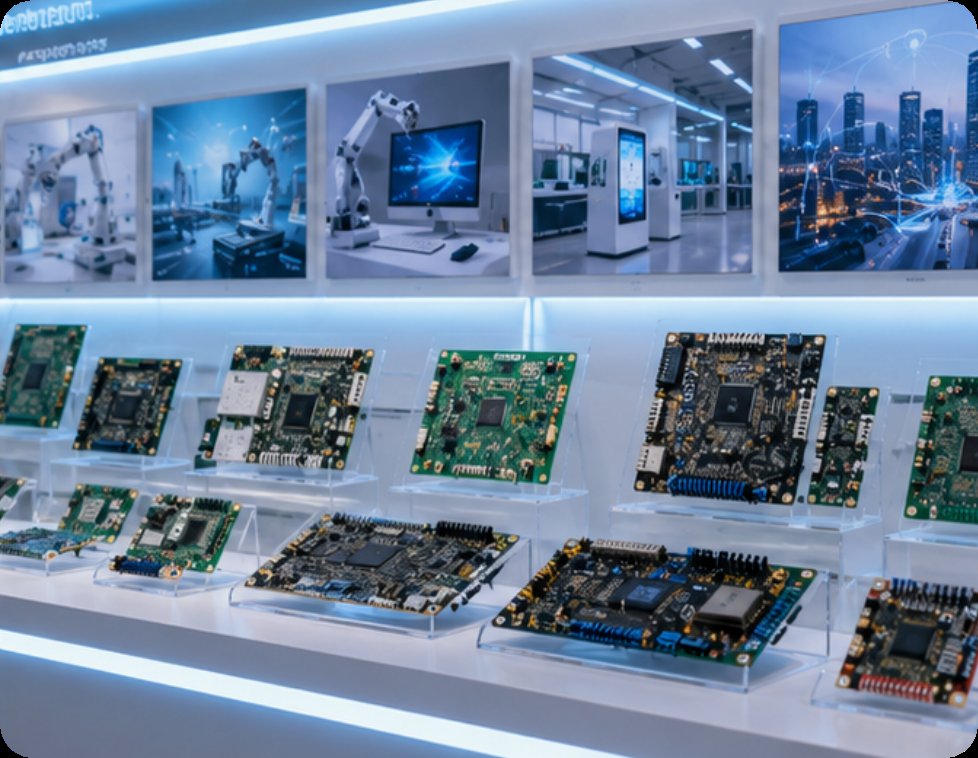
Every product category—from portable projector to rugged tablet—is getting smaller, lighter, and more feature-dense. This puts extraordinary pressure on the PCBA process. 0201 components, micro-BGA packages, and fine-pitch connectors are now standard, not exotic. If your assembly partner can't handle these reliably, you're out of the game. The physics of soldering at this scale demand precision that only comes from mature process control.
For example, NEWEI's work on the Custom Portable Projector PCBA Solutions demonstrates how advanced SMT processes enable DLP optical engines to be integrated onto the same board as the power management and Wi-Fi module. That kind of integration requires not just equipment, but deep process knowledge—especially in reflow profiling and underfill for BGA components. It's the difference between a board that works and one that works reliably for years.
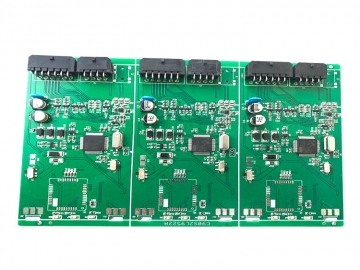
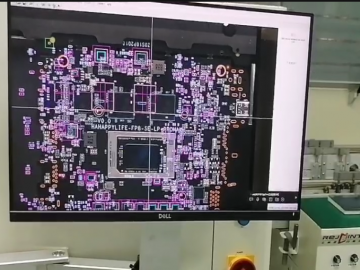
We're also seeing a surge in demand for Industrial Motherboard designs that pack server-grade performance into fanless, embedded form factors. These boards often combine high-layer-count PCBs with mixed-technology assembly (SMT + through-hole connectors for I/O), which is exactly where a mature EMS provider shines. When you're dealing with 16-layer boards and 0.4mm pitch BGAs, there's no room for error.
3. The Convergence of Industrial and Consumer Electronics
One trend that's often overlooked is how industrial-grade requirements are bleeding into consumer electronics, and vice versa. Take the handheld PDA terminal used in warehouse logistics: it needs the ruggedness of an industrial device (IP65, wide temperature range, drop resistance) but the user experience of a consumer smartphone. Bridging that gap demands a manufacturing partner who understands both worlds. It's a tough balance, but it's where the market is headed.
NEWEI's approach to Custom PCBA for these hybrid devices involves combining PCBA Three-Proofing Paint Services with precision SMT placement of fine-pitch connectors—all while maintaining the cosmetic standards expected in a handheld product. This dual focus is rare in the industry, and it's exactly what OEMs need when they're trying to serve both a warehouse manager and a field technician with the same hardware.
Similarly, automotive electronics requirements for vibration resistance and thermal cycling are increasingly adopted in industrial IoT sensors and edge gateways. The line between "consumer," "industrial," and "automotive" is blurring, and your EMS partner's certification portfolio (ISO 9001, IATF 16949 readiness) matters more than ever. Don't let a cheap quote fool you—certifications cost money for a reason.
4. End-to-End Quality Assurance Becomes a Sales Enabler
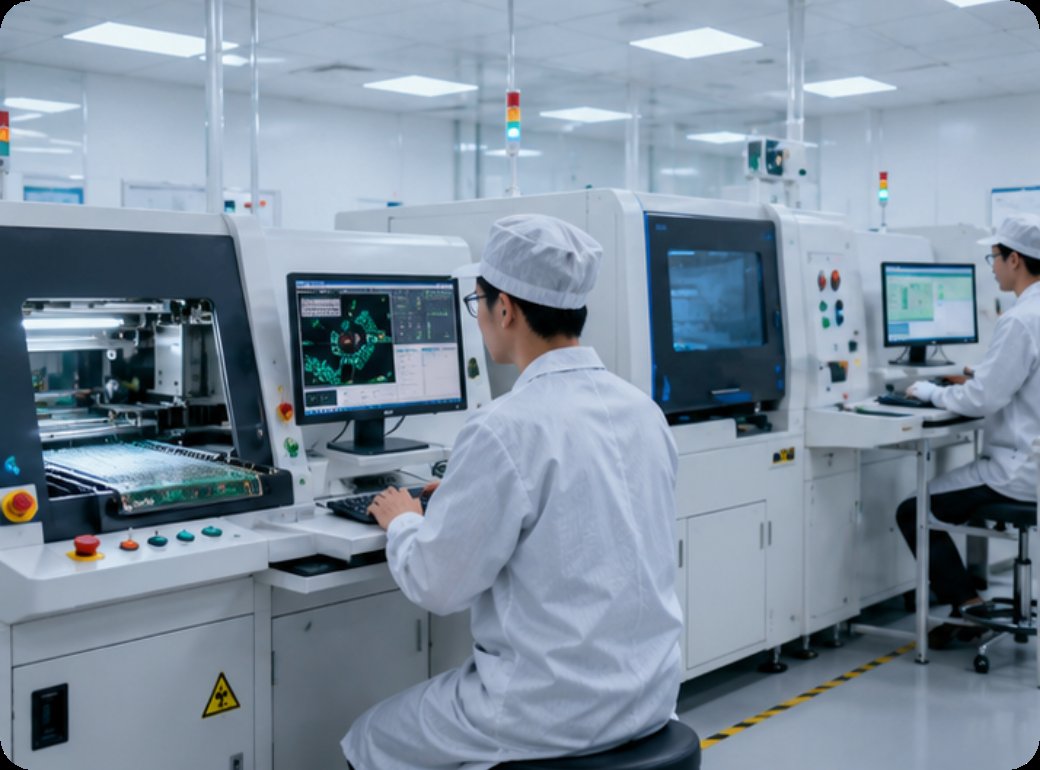
In the past, quality control was often treated as a final inspection step. Today, leading Electronics Manufacturing Services providers embed quality into every stage of the process, starting from incoming component inspection (IQC) through to functional test (FCT) and burn-in. It's a shift from "we'll catch it at the end" to "we'll prevent it from happening."
For complex assemblies like the Industrial Mini PC & Embedded Motherboards that NEWEI produces, this means every board passes through SPI (solder paste inspection), AOI (automated optical inspection), X-ray for hidden BGA joints, and finally a 48-hour aging test under load. That level of scrutiny is what separates a reliable partner from a commodity assembler. When you're shipping a board that runs 24/7 in a factory, you can't afford a single cold joint.
From my perspective, the most underrated quality tool is the traceability system. When a customer asks, "Can you tell me which batch of capacitors went into lot #4721?" the answer should be immediate. NEWEI's lot-tracking system, linked to their ERP and MES, provides that transparency—and that's a trust builder that money can't buy. In a world of counterfeits and supply chain disruptions, traceability is your insurance policy.
5. Prototype-to-Production Agility Wins the Race
The final trend, and perhaps the most impactful for startups and mid-market OEMs, is the demand for seamless scale-up—from a 10-piece prototype to 10,000-unit production runs without requalification. This requires an EMS partner who operates their prototype line with the same equipment and processes as their volume line. Too many companies treat prototyping as a "lab experiment" and then struggle to replicate results in production.
NEWEI's model is built for this. Their Dedicated Customer Case Solutions for PCB Manufacturing include rapid-turn prototyping with full traceability, followed by a smooth transition to volume SMT assembly. The key is that the same engineering team oversees both phases, ensuring that any design-for-manufacturing (DFM) feedback from the prototype stage is carried forward. No surprises, no requalification delays.
I've worked with companies that lost months because their prototype shop used different stencil thicknesses or reflow profiles than their volume house. That inconsistency is eliminated when you choose a partner like NEWEI that treats prototyping as the first step of production, not a separate service. It's a philosophy that saves time, money, and headaches.
Real-World Applications: Where These Trends Come Together
Let's ground this in specific scenarios where Custom PCB Assembly and SMT Assembly are making a tangible difference. These aren't hypotheticals—they're projects I've seen go from concept to field deployment:
Smart logistics terminals: A handheld PDA combining a barcode scanner, 4G LTE module, and large battery—assembled with mixed SMT and through-hole components, then conformally coated for warehouse dust resistance. The key was balancing RF performance with thermal management in a compact form factor.
Field-deployed edge computing: A fanless industrial motherboard running AI inference at the network edge, requiring high-reliability BGA soldering and extended temperature testing. These boards run 24/7 in remote locations, so reliability is everything.
Medical monitoring devices: A bluetooth thermometer with a tiny form factor, demanding ultra-precision SMT for the sensor array and FCC-compliant RF shielding. One misaligned component and the whole sensor calibration is off.
Portable entertainment: A portable projector with integrated Android OS, needing dense component placement on a multi-layer HDI board and thermal management for the LED light engine. The thermal challenge alone took three DFM iterations to solve.
Field service tools: A rugged tablet with an 8-core processor, sunlight-readable display driver, and IP67 sealing—requiring careful PCBA layout and full conformal coating. The coating had to be thick enough for protection but thin enough to avoid interfering with the RF antennas.
Retail and kiosk systems: A custom PC for digital signage, built with a custom industrial motherboard, tested for 24/7 continuous operation. Downtime in a retail environment means lost revenue, so reliability testing was non-negotiable.
What This Means for Your Next Project
The core takeaway is simple: the companies that succeed in 2025 and beyond will be those who choose their Electronics Manufacturing Services partner based on capability, not just cost. Look for vertical integration, advanced process support, embedded quality systems, and genuine prototype-to-production agility. The lowest quote often comes with the highest hidden costs—scrapped prototypes, delayed launches, and field failures.
NEWEI's combination of PCB Fabrication, SMT assembly, DIP, conformal coating, and functional testing under one roof—supported by a dedicated project management team—positions them as a true strategic partner for OEMs navigating these trends. They don't just build boards; they build partnerships that last through multiple product generations.
If you're evaluating a new product launch or looking to optimize an existing supply chain, I'd encourage you to read more articles about our manufacturing capabilities and see how a vertically integrated approach can de-risk your next project. Free consultation and quotation are available—no obligation, just straight talk about what it takes to build reliable electronics at scale. The market is moving fast, and the best time to start a conversation is now.
Tags: PCBA /PCB /SMT /NEWEI /case study /customer success /industry trend /
Prev: PCB and SMT Incoming Inspection and Supply Chain Evolution: Technology Advances in Material Control
Next: NEWEI ESD Control ROI Analysis: Anti-Static Protection for PCBA, SMT and PCB Fabrication