
PCB Fabrication and SMT Assembly Compliance Guide for Modern Production
How can you achieve measurable gains in operational efficiency and product reliability within an SMT Assembly environment when resources are tight, environmental regulations are tightening, and legacy infrastructure is holding you back? The answer lies not just in selecting the right tools but in partnering with a manufacturer whose PCB Fabrication, SMT Assembly, and PCB Assembly (PCBA) processes are engineered for compliance from the ground up. In today's high-mix, low-volume manufacturing landscape, adherence to international standards such as IPC-A-600, IPC-A-610, and ISO 9001 is no longer a differentiator—it is a baseline requirement. These standards govern everything from copper foil integrity to solder joint reliability and directly influence the long-term performance of electronic assemblies deployed in automotive, medical, and industrial applications.
For engineering and procurement teams seeking a professional Smt Assembly partner, understanding the compliance framework is the first step toward reducing field failures and minimizing warranty costs. A compliant PCB fabrication process ensures that the base substrate meets strict dimensional tolerances and electrical performance criteria, while SMT assembly standards verify that every component placement, reflow profile, and inspection step aligns with industry best practices. Without these safeguards, even the most sophisticated designs can succumb to thermal stress fractures, solder voids, or electromigration issues that compromise product integrity and brand reputation.
🏭 The Rulebook Behind Trustworthy Board Manufacturing
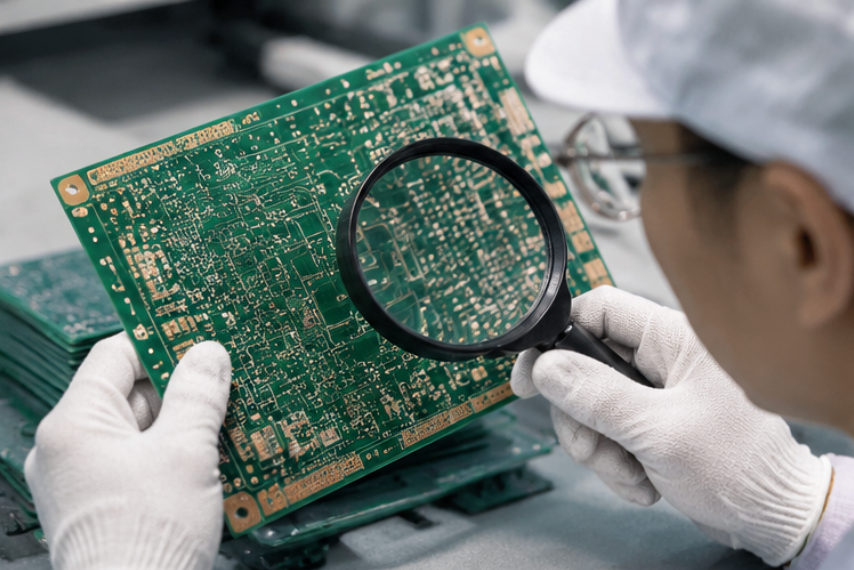
When evaluating SMT Assembly capabilities, three primary standards dominate the conversation: IPC-A-610 for acceptability of electronic assemblies, IPC-J-STD-001 for soldered electrical and electronic assemblies, and IPC-7711/7721 for rework and repair. Each standard defines acceptance criteria that directly shape how a PCB Fabrication partner structures their quality control systems. For example, IPC-A-610 Class 2 and Class 3 requirements dictate allowable solder fillet dimensions, component positioning accuracy, and cleanliness levels for flux residues. A compliant facility will document these parameters in every work instruction and maintain full traceability from incoming material inspection to final electrical test.
Beyond the classic IPC standards, environmental compliance has become equally critical. The Restriction of Hazardous Substances (RoHS) directive limits the use of lead, mercury, and other hazardous substances, while the Registration, Evaluation, Authorisation and Restriction of Chemicals (REACH) regulation governs chemical safety across the entire supply chain. A modern PCB Assembly (PCBA) provider must demonstrate complete traceability of raw materials, including solder paste composition, laminate materials, and surface finishes. This compliance extends to documentation—every shipment should include certificates of conformance and material declarations that meet both customer and regulatory requirements. Additionally, the IATF 16949 standard for automotive electronics pushes SMT Assembly lines to implement advanced statistical process control (SPC) and failure mode effects analysis (FMEA) to prevent defects before they occur, rather than simply detecting them after the fact.
🏭 What Compliant Operations Deliver on the Factory Floor
Deploying PCB Fabrication, PCB Assembly (PCBA), and SMT Assembly within a unified compliance framework delivers measurable improvements across multiple operational dimensions. Operators benefit from clearer process visibility and a more streamlined workflow. Staff gain confidence in equipment that is easy to set up, operate, and maintain, reducing training time and human error. Management gains real-time visibility into production metrics through advanced usage analytics and dashboards. The combined result is a more professional, efficient, and ultimately more profitable SMT Assembly operation. First-pass yield rates typically increase by 15-25% when a facility adheres strictly to IPC-A-610 Class 3 criteria, significantly reducing the need for costly rework and manual touch-up operations. This directly translates into shorter lead times and lower unit costs, allowing manufacturers to remain competitive in a global marketplace.
Compliance also strengthens supply chain resilience. A certified SMT Assembly line with robust process controls can quickly adapt to changing component availability without sacrificing quality. For instance, when a primary component becomes obsolete, a compliant PCBA manufacturer can qualify an alternative part through a structured change management process, documenting all reliability tests and obtaining customer approvals before implementation. This agility minimizes production downtime and ensures that customers receive consistent product performance, even in the face of supply chain disruptions. Furthermore, adherence to cleanliness standards such as IPC-6012 for rigid printed boards reduces ionic contamination, which is a leading cause of electrochemical migration and latent field failures. The long-term result is a lower total cost of ownership for the end user, as fewer units fail under warranty and fewer service calls are required over the product's lifecycle.
🏭 Side-by-Side View of Certified Offerings
Selecting the right compliance partner requires careful comparison of their process capabilities and documentation practices. The table below outlines key aspects of PCB Fabrication, PCB Assembly (PCBA), and SMT Assembly services, highlighting where each stage contributes to overall regulatory adherence. A manufacturer that can offer integrated services under one roof—from bare board fabrication to final assembly and testing—simplifies compliance management because a single quality system governs the entire value chain. This reduces the risk of miscommunication and ensures that acceptance criteria are applied consistently across every production step, from the initial copper etch to the final functional test.
| Model | Position | Weight | URL |
|---|---|---|---|
| PCB Fabrication | Base substrate manufacturing, copper layer deposition, etching, and surface finish | Material thickness, copper weight, and dimensional stability | learn more about our manufacturing capabilities |
| PCB Assembly (PCBA) | Component placement, soldering, inspection, and functional testing | Component density, solder joint integrity, and cleanliness | electronics manufacturing services |
| SMT Assembly | High-speed pick-and-place, reflow soldering, and automated optical inspection | Placement accuracy, thermal profile control, and throughput | professional Smt Assembly |
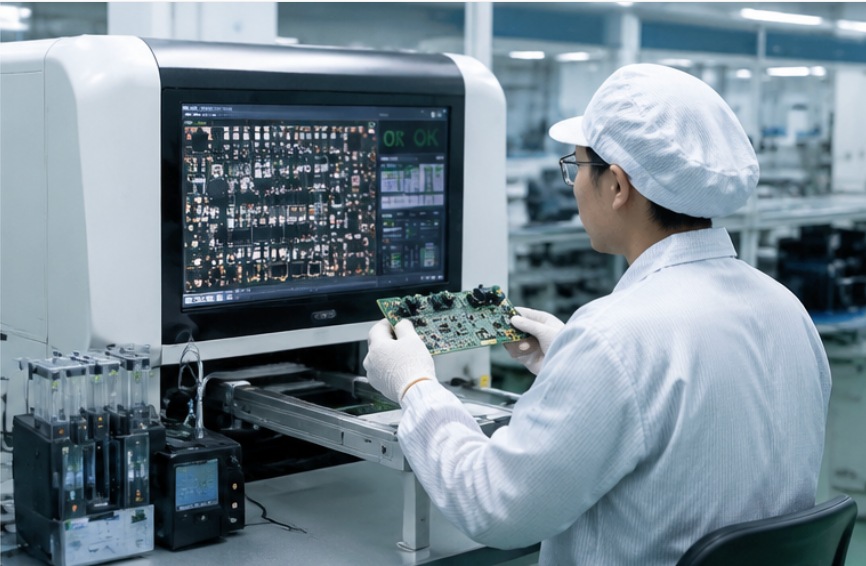
When comparing providers, pay close attention to their certifications and audit history. A facility that holds ISO 9001, ISO 13485, and AS9100 certifications demonstrates a commitment to quality across multiple industries, including medical devices and aerospace. Additionally, verify whether their SMT Assembly line includes in-house X-ray inspection for BGA and QFN components, as these hidden solder joints cannot be verified through optical inspection alone. The use of automated solder paste inspection (SPI) before component placement is another strong indicator of process maturity, as it catches printing defects early and prevents costly rework downstream. Finally, ask for their historical defect data and customer satisfaction scores to gauge real-world performance beyond the certificate. A provider with a documented track record of continuous improvement is far more valuable than one with a pristine certificate but stagnant processes.
❓ Answers to the Questions Procurement Teams Ask Most
FAQs about deploying PCB Fabrication, PCB Assembly (PCBA), and SMT Assembly in a compliant environment often center on scalability and future-proofing. Can we add more production lines later? Does the system work with our existing ERP or MES infrastructure? What support and warranty coverage is included? Understanding these practical considerations helps organizations make confident, informed purchasing decisions. One common question is whether a compliant SMT Assembly process can handle both prototype and high-volume production runs. The answer is yes—modern surface-mount lines are designed with flexible feeders and programmable placement heads that allow rapid changeovers without sacrificing precision. This flexibility is essential for companies that need to move from design validation to mass production with minimal friction and without re-qualifying the process.
Another frequent inquiry involves material traceability and documentation. A robust PCB Fabrication and assembly partner will provide complete lot-level traceability, including date codes, supplier certificates, and reflow profiles for every batch. This data is invaluable during failure analysis or regulatory audits, allowing engineers to quickly isolate root causes and implement corrective actions. Additionally, customers often ask about warranty and field failure rate expectations. A compliant SMT Assembly provider typically offers a 12-month warranty against manufacturing defects, and their documented process controls should keep field failure rates below 100 parts per million (ppm) for Class 2 products and below 50 ppm for Class 3 products. These metrics give procurement teams the confidence to commit to long-term supply agreements without fear of quality surprises that could disrupt their own production schedules.
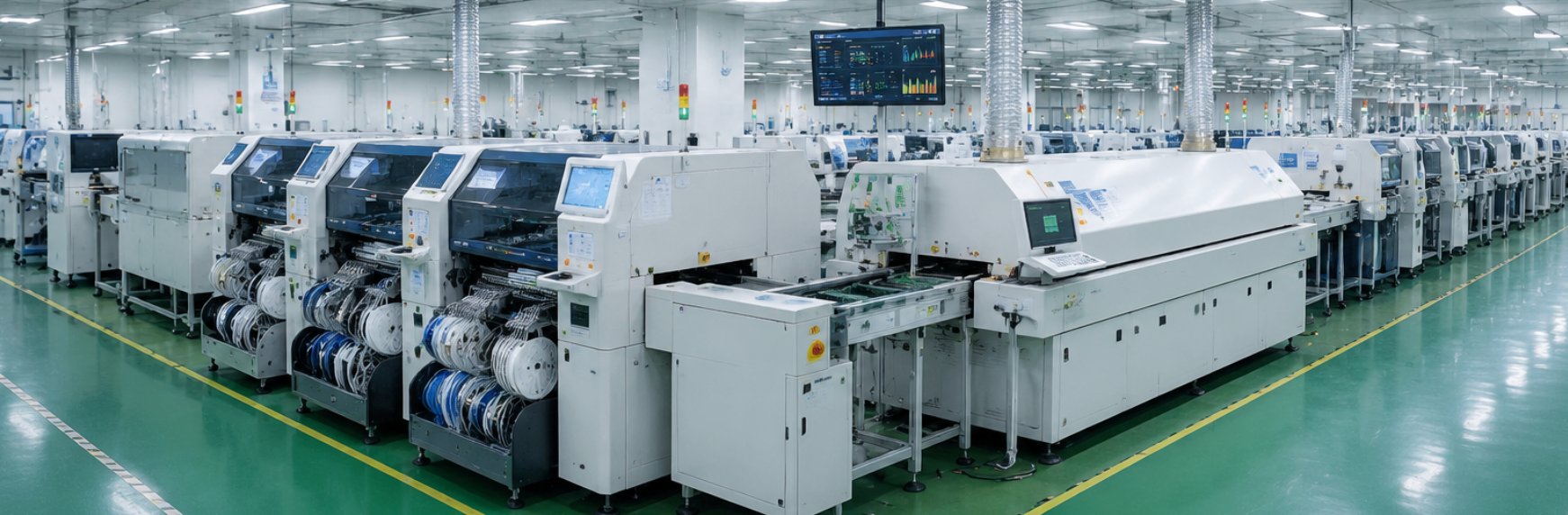
🏭 Market Data and Industry Trends in Compliant SMT Assembly
Industry research indicates that over 65% of electronics manufacturers plan to upgrade their SMT Assembly capabilities within the next two years. The primary drivers are the need for higher precision, better traceability, and systems that are intuitive enough for temporary staff to operate without extensive training. In the broader electronics manufacturing sector, the shift toward automation and Industry 4.0 principles is accelerating the adoption of smart SMT Assembly lines that use real-time data analytics to optimize process parameters. Predictive maintenance, enabled by IoT sensors on reflow ovens and pick-and-place machines, reduces unscheduled downtime and extends equipment life. This trend aligns with the growing demand for sustainable manufacturing, as energy-efficient reflow ovens and lead-free soldering processes reduce the environmental footprint of electronics production.
Another significant trend is the consolidation of PCB Fabrication and assembly services into single-source providers. Customers increasingly prefer to work with a single partner who can manage both the bare board and the populated assembly, as this simplifies logistics, reduces inventory costs, and ensures that design-for-manufacturability (DFM) feedback is shared early in the product development cycle. This collaborative approach often leads to lower total costs and faster time-to-market. Furthermore, the rise of electric vehicles and renewable energy systems is driving demand for high-voltage, high-temperature PCBs that require specialized materials and processes. A forward-thinking SMT Assembly partner invests in advanced surface finishes such as ENIG (electroless nickel immersion gold) and ENEPIG to meet these emerging requirements. As the industry continues to evolve, compliance with international standards remains the cornerstone of quality assurance, ensuring that every electronics manufacturing services deliver reliable, long-lasting products to the market.
Tags: PCB fabrication compliance / SMT assembly standards / PCBA factory production /
Prev: PCB Fabrication and PCB Assembly (PCBA) in Factory Culture: A Technology Evolution Guide