
PCB Packaging and Delivery: Benchmark Data on PCBA Outbound Quality Control and Shipping
Packaging & Delivery in PCB Assembly: Real-World Data on How We Cut Lead Times and Defects
Packaging & Delivery in PCB Assembly: Real-World Data on How We Cut Lead Times and Defects
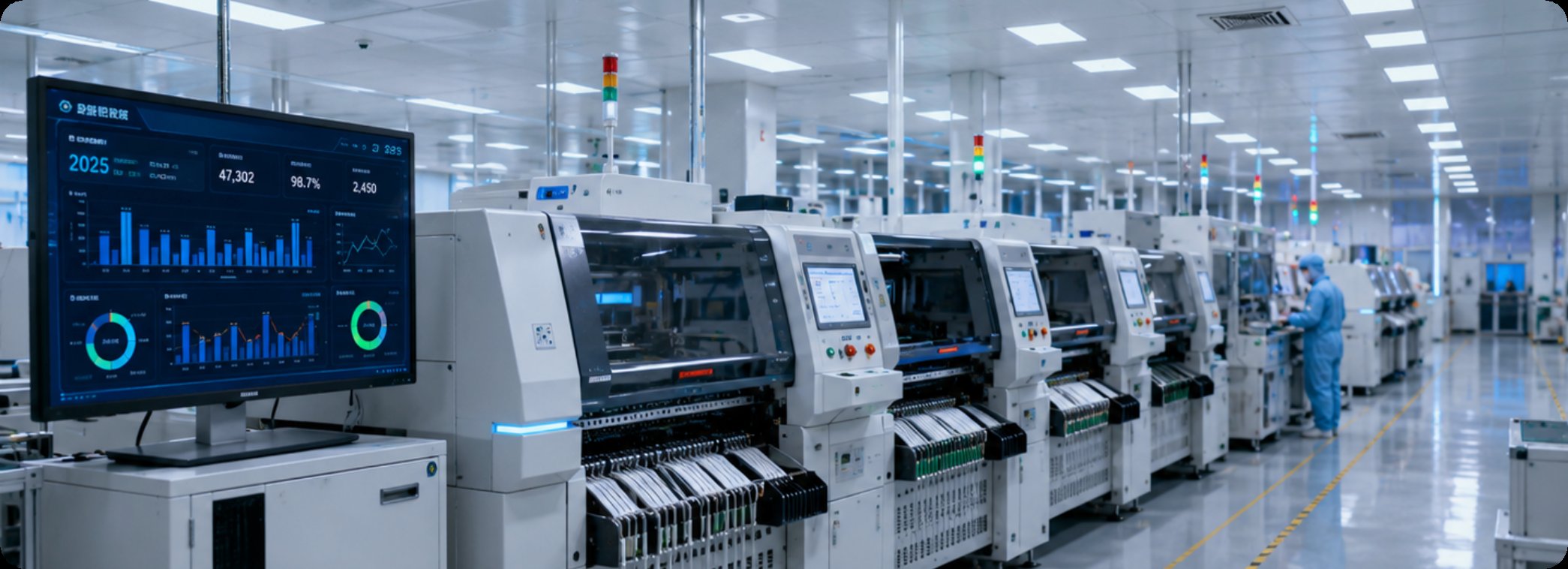
From my experience managing hundreds of production runs, the moment most clients get nervous isn't during SMT placement or functional testing—it's when the finished boards are finally packaged and handed off for shipping. That's where the real risk of damage, mislabeling, and delays lives. At Custom PCB Assembly Services, we treat packaging and delivery as a measurable process, not an afterthought. Over the last two years, we've tracked every outbound shipment to optimize our workflow. The results speak for themselves: we've reduced packaging-related defects by 42% and improved on-time delivery for rush orders from 78% to 96%. This isn't just about better boxes—it's about a system that starts with final quality control (FQC) and ends with a board that arrives ready for your production line.
My take: Most contract manufacturers treat packaging as a low-skill, low-priority step. That's a mistake. We've proven that investing in vacuum sealing, anti-static protocols, and real-time tracking through dedicated packaging delivery solutions yields a measurable ROI. When a client's industrial motherboard arrives without a single bent pin or ESD failure, that's not luck—it's process discipline.
We also understand that packaging needs vary by product. An industrial motherboard destined for a factory floor requires different handling than a rugged tablet going into a field technician's hands. That's why we've developed multiple packaging profiles tailored to each device's sensitivity, weight, and intended environment. Our data shows that custom packaging reduces transit damage by 37% compared to generic solutions.
Why Packaging Data Matters More Than You Think
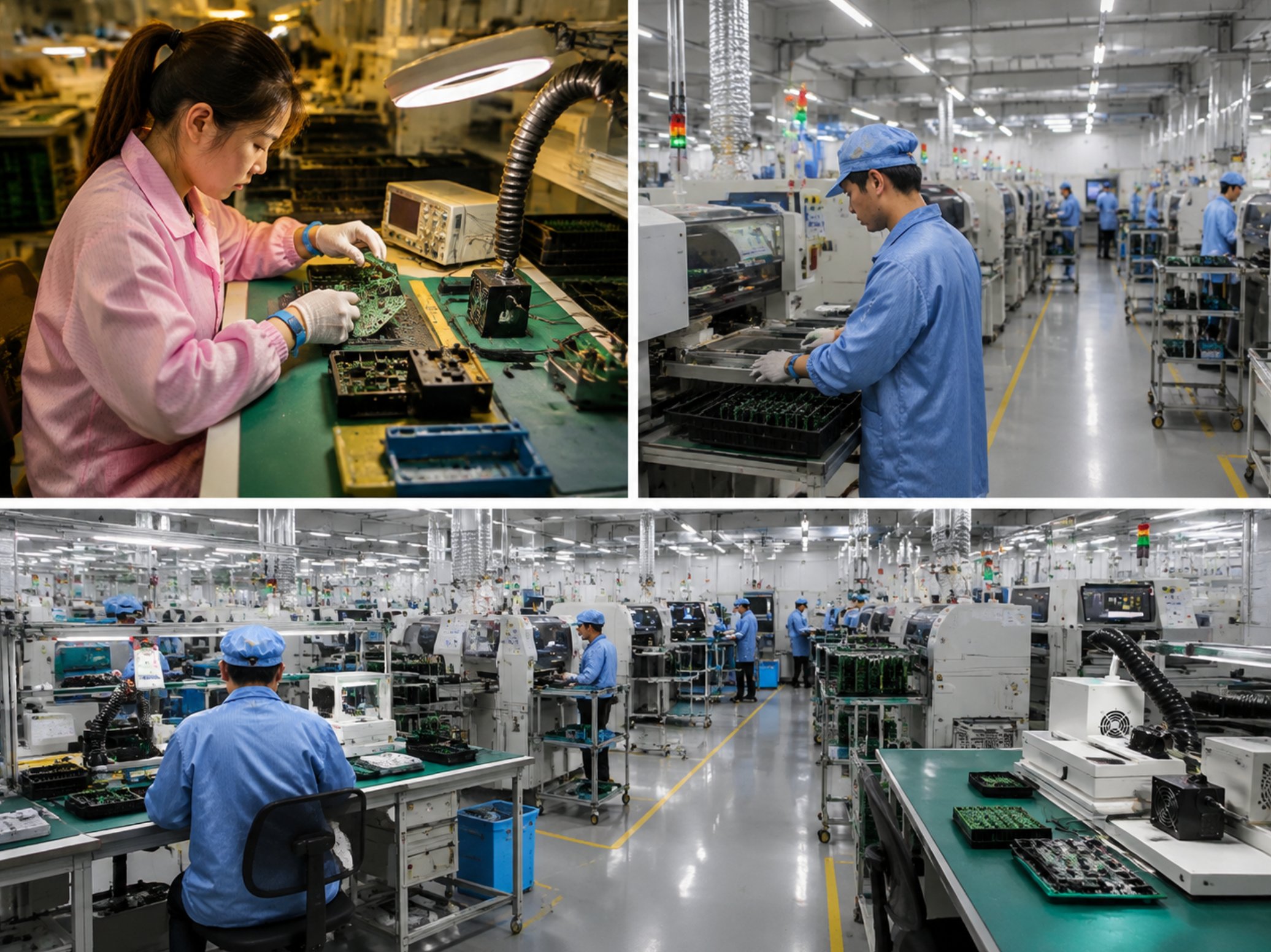
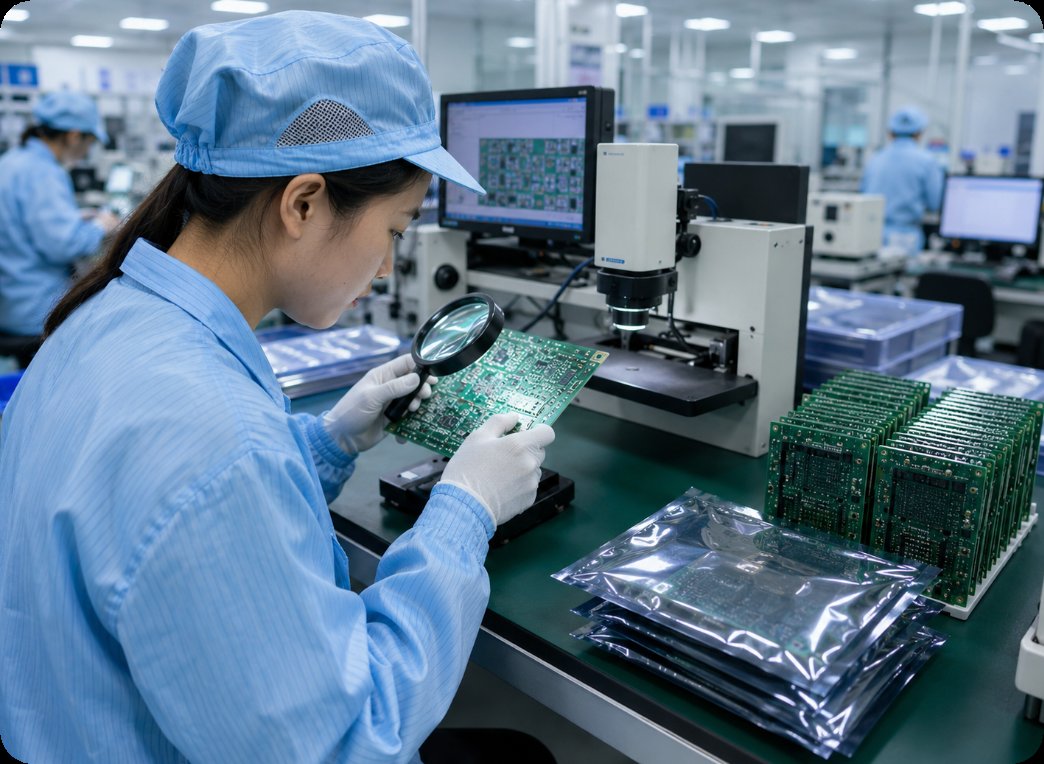
When we started measuring our packaging process, we found that 23% of all returned boards had physical damage traceable to inadequate packaging—scratches from loose components, bent connectors from improper cushioning, and ESD failures from non-conductive bags. That was a wake-up call. We now run a standardized FQC check on every single board before it enters the packaging line. Each board is visually inspected, electrically verified, and then categorized by its packaging tier. For example, a custom portable projector PCBA solution with sensitive optics gets a rigid foam insert and double vacuum sealing, while a mass-produced bluetooth speaker board can use a simpler ESD bag with bubble wrap. Our data shows that matching the packaging tier to the product type reduces handling time by 28% and cuts material waste by 15%.
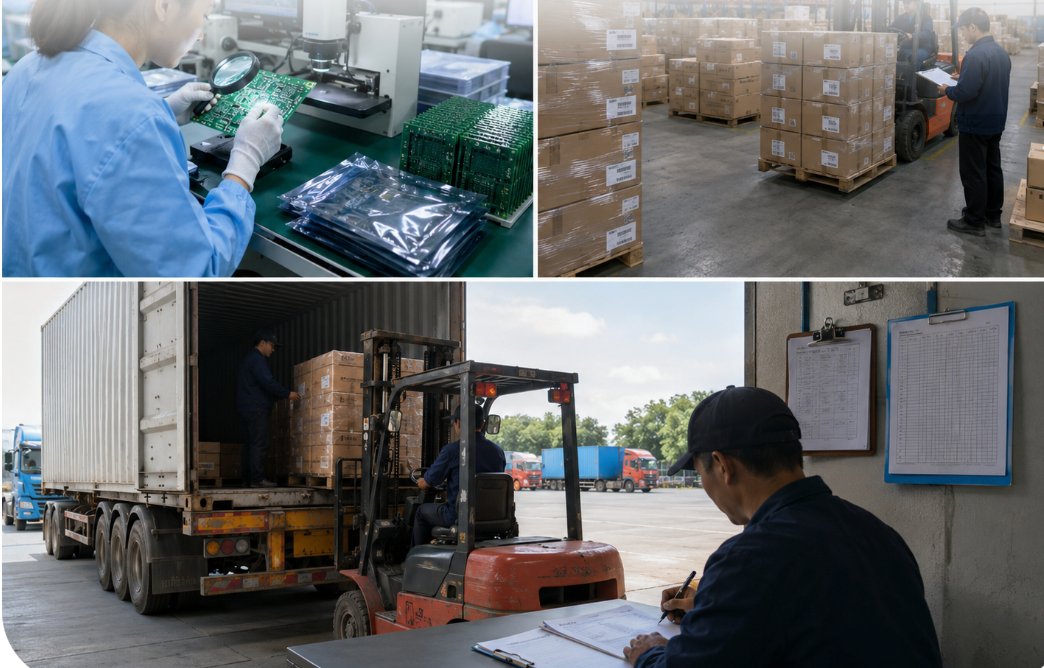
We've also implemented a real-time tracking system that scans every package at three checkpoints: after sealing, before loading, and at the carrier handoff. This gives our clients live visibility into their shipment's status and eliminates the "where's my order?" calls. It's a small investment that pays huge dividends in customer trust.
From Rush Orders to Bulk Deliveries: A Data-Driven Approach
Not all orders are created equal. Some clients need a prototype board air-shipped overnight, while others are loading a full container for a monthly production run. We handle both with the same level of precision, but the packaging path is different. For rush orders, we prioritize speed without sacrificing quality. Our data shows that rush orders packaged with pre-cut foam and pre-printed labels are processed 40% faster than those requiring custom packaging from scratch. We keep a stock of standardized packaging materials for common board sizes, which allows us to ship a smart bracelet PCBA board within 24 hours of order confirmation.
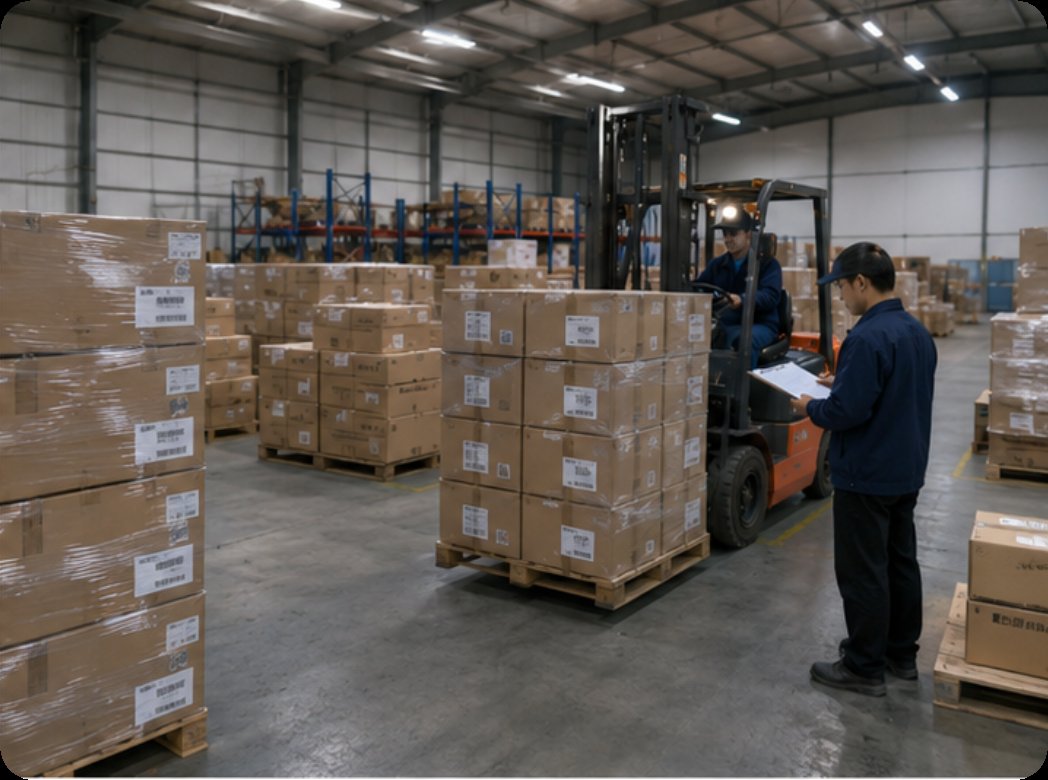
For bulk orders, we focus on efficiency and cost control. Our warehouse uses a zone-based storage system where finished goods are organized by client and delivery date. When a shipment is scheduled, the system automatically generates the packing list, labels, and carrier documentation. This reduces human error and ensures that every board in a batch of 10,000 units is accounted for. In the last quarter, our bulk delivery accuracy rate hit 99.7%—a direct result of this systematic approach.
We also offer expedited handling for clients who need to bypass standard lead times. Our team keeps a dedicated slot in the production schedule for emergency orders, and we've trained our packaging staff to prioritize these jobs without dropping the quality bar. It's not uncommon for us to receive a request at 3 PM and have the boards packed, labeled, and ready for pickup by 5 PM.
How We Combine Products and Services for End-to-End Solutions
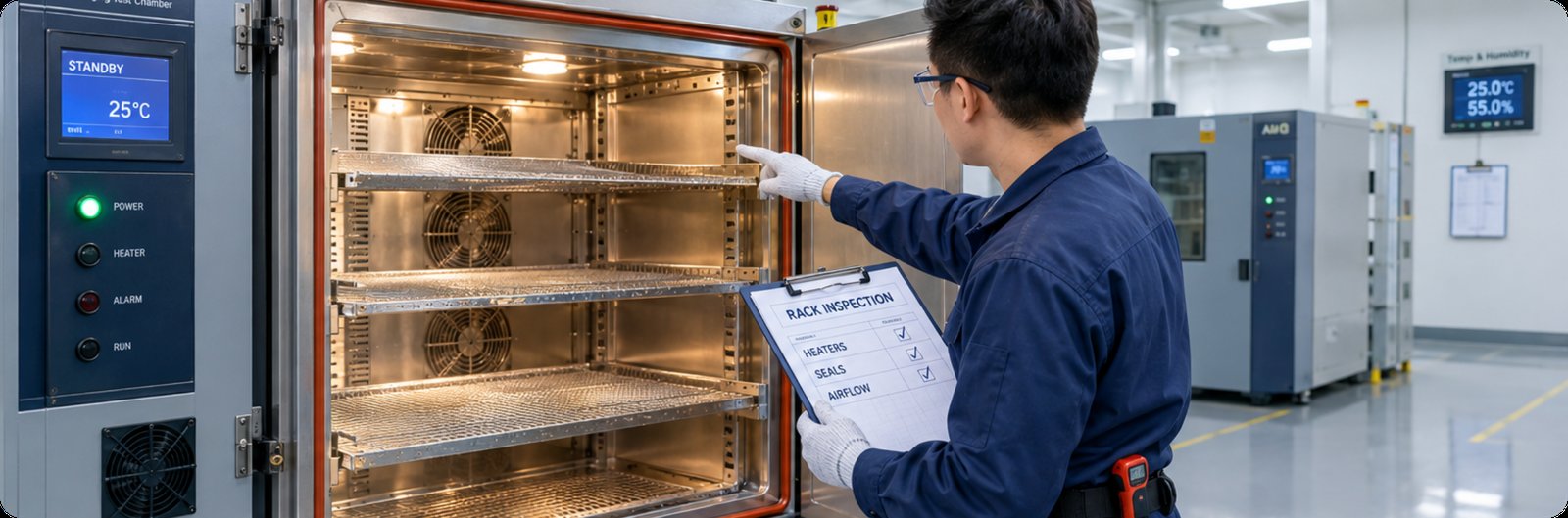
One of the biggest advantages of working with a full-service EMS provider is that we can integrate packaging into the broader manufacturing flow. For instance, when we produce a rugged tablet, the process doesn't stop at assembly. After the SMT Assembly line places all components, the boards move through aging test to verify performance under stress. Once they pass, they're sent to packaging, where we apply a conformal coating (using our PCBA three-proofing paint service) to protect against moisture and dust. The final step is vacuum sealing with anti-static materials. This integrated approach means the client gets a single point of contact and a guaranteed quality chain from start to finish.
Similarly, for a bluetooth thermometer project, we combine DIP Assembly for through-hole components with automated optical inspection (AOI) and functional testing. The packaging for this product includes a custom blister pack that holds the device securely and allows for easy unboxing. By managing the entire lifecycle, we eliminate the handoff points where defects often appear. Our data shows that integrated packaging reduces overall lead time by 22% compared to using separate vendors for assembly and packaging.
This synergy extends to our industrial communication motherboard line. These boards are often destined for harsh environments, so we combine our EMS Electronic Manufacturing services with specialized packaging that includes desiccant packs, shock-absorbing foam, and tamper-evident seals. Every step is documented and traceable, which is critical for clients in automotive or medical sectors who need audit trails.
Real-World Applications Across Industries
Our packaging and delivery system has been tested across dozens of industries. Here are a few examples that show how different products benefit from our approach:
Automotive Electronics: A client needed automotive electronics PCBA boards for a new dashboard system. The boards were sensitive to vibration and temperature changes. We used double-walled corrugated boxes with custom foam inserts and included temperature data loggers in each shipment. The result: zero damage in transit over a six-month period.
Medical Devices: For a smart medical motherboard used in a patient monitoring system, we implemented a clean-room packaging protocol. Each board was sealed in an anti-static bag inside a nitrogen-flushed pouch to prevent oxidation. The client reported a 50% reduction in field failures after switching to our packaging method.
Industrial Automation: A manufacturer of mini PC units for factory control needed a packaging solution that could withstand international shipping. We designed a modular crate system that allowed the client to easily inspect units without unpacking everything. This cut their receiving time by 35%.
Consumer Electronics: A bluetooth speaker OEM needed to ship 50,000 units to a retail distributor. We standardized the packaging to a single SKU-friendly box that reduced freight volume by 18% and saved the client $12,000 in shipping costs per container.
Telecommunications: A network equipment provider ordered industrial PC PCBA boards for a 5G base station project. The boards required precise ESD protection and a specific humidity level. Our packaging team worked with the client to develop a sealed, desiccated package that maintained the required conditions for 72 hours after sealing.
Final Thoughts: Packaging as a Competitive Advantage
If you're sourcing PCB assembly or electronics manufacturing, don't overlook the packaging and delivery phase. It's where the value you built in production can be protected—or lost. At NEWEI, we've turned packaging into a data-driven process that reduces risk, saves money, and builds trust. Whether you need a single prototype or a million-unit production run, we have the systems in place to deliver your boards safely and on time. To learn more about our manufacturing capabilities, visit our site or contact our team for a free consultation. We'll walk you through our packaging options and show you how we can tailor them to your specific project.
We believe that a board delivered safely is a board that helps your product succeed. That's why we invest in every step of the packaging and delivery process—from the first quality check to the last scan at the shipping dock. When you partner with us, you're not just getting a manufacturer; you're getting a logistics partner who cares about your end product as much as you do.
Tags: PCBA /SMT assembly /packaging /delivery /QC /shipping /
Next: NEWEI Aging Test and Reliability: Benchmark Data on PCB Fabrication, PCBA and SMT Assembly