
Shell Mold, Custom Automotive Electronics and Custom Smart Home Products PCB: What Each Service Counts Instead of Time
Every maintenance schedule answers to something, and the something is never the calendar. A mold wears by the number of cycles it runs, a board bolted inside a vehicle ages by the environments it survives, and a consumer device reports its own problems from the field faster than any inspection round could find them. The three services in this comparison sit at three different points on that spectrum, which is exactly why a single maintenance template fails when a customer applies it across all three.
This piece walks through what each service actually counts, who notices the drift first, and what deferring the check costs. It uses only the process descriptions our own service pages publish; where a figure is not published, the text says so rather than inventing one. The point is not to hand over a checklist, because checklists were the previous article's subject. The point is the trigger that starts each one.
A Mold Counts Shots, and the Count Is Physical
A production mold does not degrade on a schedule; it degrades by accumulation. Every cycle the material enters the shell mold service tool, two things happen: the steel sees a thermal swing, and the part drags slightly against the cavity surface on its way out. Neither event is dramatic on its own. Together they are why a tool that ran beautifully in March produces flash in September, even though nobody changed a setting.
What gets counted, therefore, is the shot count, and the count is physical rather than administrative. An ejector pin that has cycled a few hundred thousand times does not fail a paperwork review; it starts to gall, then to bind, then to leave witness marks on every part. The inspection that matters looks at the pins, the parting line, and the vent paths while the tool is warm, because a cold mold hides the very wear the warm mold shows. Rust preventive and a dry, ventilated storage position close out the routine whenever a tool goes idle, since a tool stored wet is a tool that requalifies nothing.

Three Molding Routes Keep Tools Differently
The shell mold page describes three routes, and the differences are not cosmetic. Standard plastic injection molding feeds heated granules into the cavity, where the parts harden and release. Reaction injection molding swaps the molten thermoplastic for a thermosetting polymer resin, which cures chemically inside the tool rather than simply cooling. Metal injection molding starts from fine metal powder mixed and filtered into the barrel together with a binder. Each feedstock leaves a different residue and stresses the tool in a different way, so each route earns its own care habit.
The practical consequences are easy to state without inventing numbers. Thermoplastic residue purges; thermoset residue cures and has to be cleaned before it becomes a permanent feature of the cavity; powder-binder systems add a filtration step whose neglect shows up as contamination long before it shows up as breakage. Our PCB fabrication and manufacturing pages make the same point from the other side: the process defines the residue, and the residue defines the maintenance.
| Molding route | What enters the tool | What hardens it | What the tool care must respect |
|---|---|---|---|
| Plastic injection | Heated thermoplastic granules | Cooling in the cavity | Purge residue before changeover; watch parting-line wear from drag |
| Reaction injection | Thermosetting polymer resin | Chemical cure inside the tool | Cured residue does not purge; clean before it becomes cavity geometry |
| Metal injection | Fine metal powder with binder | Sintering after molding | Filtration step is a wear item; contamination precedes damage |
A Board in a Door Panel Ages Between Trips
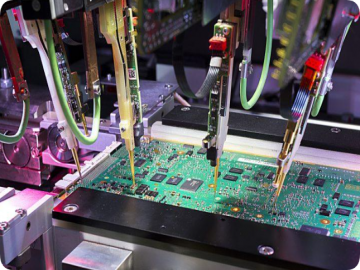
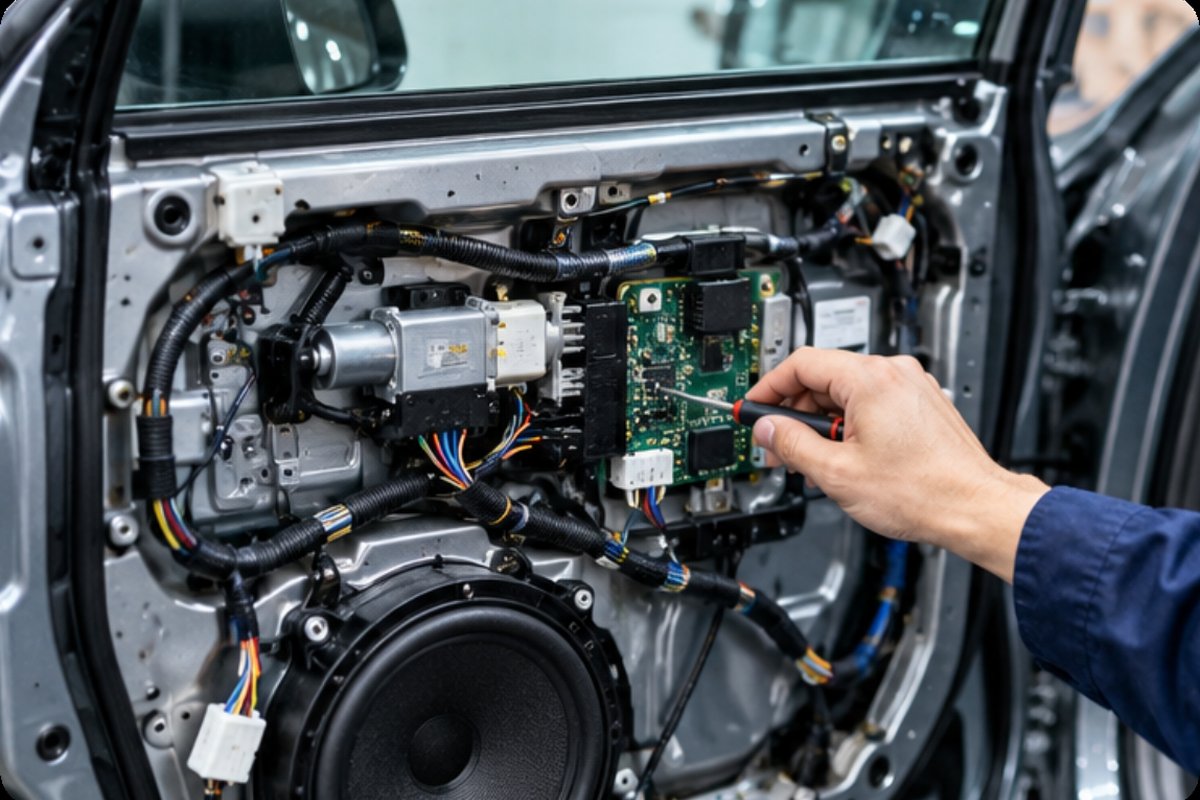
Automotive electronics do not fail mostly while the car is driving. A board inside a door panel or a headliner spends most of its life parked, which means its real workload is thermal cycling: hot afternoons, cold dawns, and the condensation that forms in between. The automotive electronics service covers boards for smart lighting, car chargers, car MP3 units and general automobile applications, and the maintenance question they share is not whether the solder is good on day one. It is what hundreds of small cycles do to joints and connectors over years of sitting still.
That is why the upkeep trigger here is mileage of environment rather than mileage of road. A fleet operator who logs where units live, in cabin terms, catches the drifting connector before the driver does; an operator who waits for a warranty return learns about the same connector from a customer complaint instead. Neither the service page nor the assembly process publishes a cycle count for this, and none should be invented. What the published process does support is a statement of kind: the check that matters is physical, seasonal, and aimed at connectors and joints rather than at the board's day-one test results.
The Field Writes the Maintenance Log for You
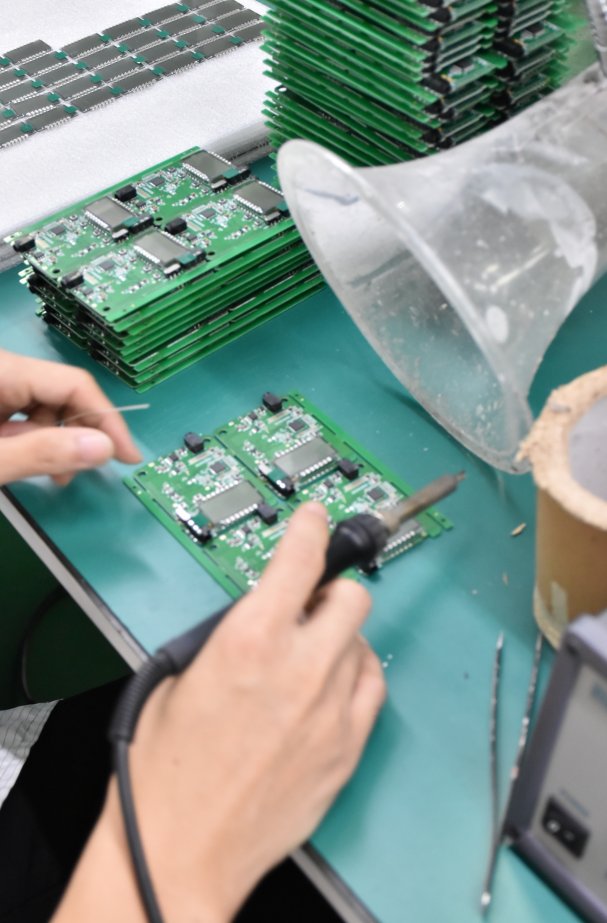
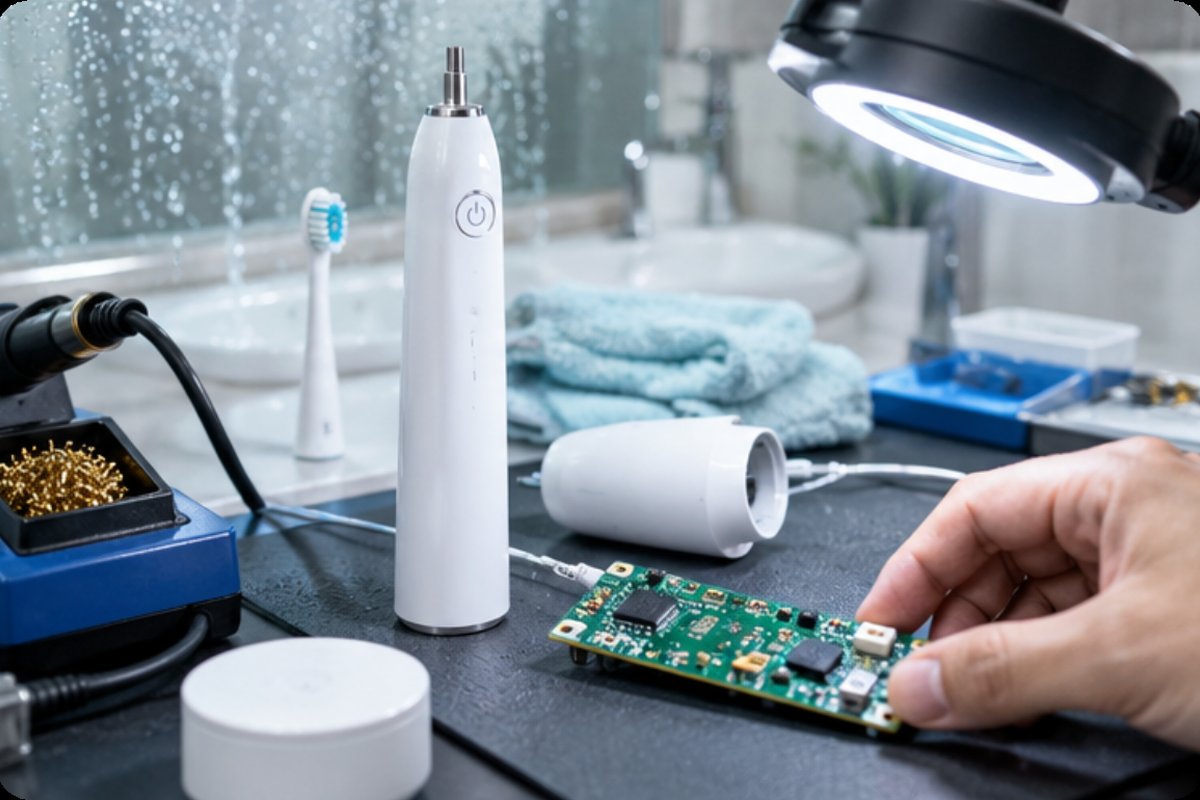
Consumer and smart home products flip the direction of information. The smart home PCBA service builds boards for electric toothbrushes, oxygen generators, bladeless fans and massage devices, and every one of those products lives close to a person: water vapour, skin contact, drops into basins, bathroom humidity. The devices report their own trouble. A motor that labours, a battery that drains oddly, a button that needs a second press, all arrive as field feedback long before a scheduled teardown would have found them.
The maintenance habit that fits is therefore reactive by design, with one guard. Field returns get a common root-cause pass, because a complaint about one batch is usually a statement about a process step, and this is where the three-proofing paint service earns its place in the conversation: conformal coating turns bathroom-grade humidity from a recurring failure mode into a checked box. The guard is that reactive maintenance still needs a calendar floor, a minimum periodic review of returns, so that a quiet quarter reads as good news rather than as missing data.
What a Trigger Table Looks Like on Paper
Put the three on one page and the contrast is the point. Each service counts something different, notices drift through a different channel, and pays a different price for waiting.
| Service | What it counts | Who notices drift first | What deferral costs |
|---|---|---|---|
| Shell mold tooling | Shot count and physical wear signs | The operator, at the parting line and ejectors | Flash, tool rework, and a requalification the schedule did not budget |
| Automotive electronics PCBA | Thermal and condensation cycles of the installation site | Fleet or cabin logs, ahead of any fault | A warranty return instead of a planned connector swap |
| Smart home products PCB | Field feedback volume and root-cause clusters | The end user, through returns and complaints | A batch-level issue discovered by customers rather than by the line |
Why Calendar Pages Fail All Three the Same Way
A wall calendar treats these three services as if they aged in days, and all three quietly refuse. A tool inspected every Friday still wears by shots, and the Friday visit that skips the warm-mold check sees nothing. A vehicle board reviewed every quarter still ages by seasons, and a quarterly glance at day-one test records says nothing about connector galling. A consumer board audited on a fixed date still fails in the field, on the customer's schedule, which is the one schedule nobody printed.
The fix is not more dates; it is a trigger column beside each date. What counts, who notices first, and what waiting costs, written down per service, will survive contact with a real production year. The full EMS electronic manufacturing service runs all three disciplines under one roof, and the reason is simple: the trigger that starts the maintenance is a property of the service, and only the factory that knows which property it is can actually keep the schedule.
Frequently Asked Questions
1. How often should an injection mold be inspected?
The honest answer is that the shot count decides, not the calendar, and the shot interval depends on the tool steel, the part geometry and the material, none of which our service page publishes as a universal number. What can be said is the shape of the rule: inspect at fixed shot intervals, look at ejector pins and the parting line while the tool is warm, and treat any witness mark on the parts as an early reading rather than a cosmetic note. A mold that sits idle gets rust preventive and dry storage regardless of its shot count.
2. Does reaction injection molding really need different tool care from standard injection?
Yes, because the residue behaves differently. Thermoplastic granules leave material that purges out at a changeover; a thermosetting resin cures chemically inside the tool, so anything left behind is no longer residue but geometry. Cleaning cured thermoset before it accumulates is the whole discipline. The metal powder route adds a filtration step upstream of the tool, and a neglected filter announces itself as contamination before it ever becomes mechanical damage.
3. The car is parked most of the time. Why would the board wear at all?
Because parking is the workload. A door-panel board in a summer-to-winter climate sees a thermal swing nearly every day, and condensation follows the swing. Solder joints and connectors respond to that accumulation whether or not the car moves. That is why the maintenance trigger is the environment's mileage rather than the odometer's, and why a fleet that logs cabin conditions catches connector drift before drivers report it.
4. Is reactive maintenance acceptable for consumer smart home boards?
Reactive is the right primary mode, because the field genuinely reports faster than any teardown schedule, but it needs two additions. First, a common root-cause pass on returns, since one complaint usually speaks for a batch and points back at a process step. Second, a calendar floor, a minimum periodic review so that a quarter with zero returns is read as data rather than as silence. Conformal coating belongs in this conversation as the upstream fix for the humidity-driven share of those returns.
Tags: smart home PCB /shell mold / automotive electronics PCB / PCBA maintenance /
Prev: Where an ESD Control Plan Stops Being a Document: Sourcing, Aging Test and PCB Fabrication
Next: No more...