
Why Compliance Standards in PCB Assembly and SMT Assembly Define Success
When you are deploying Custom PCB Assembly Services in real-world customer case environments, compliance isn't just a bureaucratic checkbox — it’s the bedrock of reliable, repeatable performance. Any organization collaborating with electronics manufacturers quickly learns that navigating quality certifications, material regulations, and testing protocols is essential. These standards ensure every assembled board meets rigorous demands for electrical performance, thermal behavior, and mechanical durability. In customer case scenarios, where end-user satisfaction and operational uptime are non-negotiable, compliance transforms design intent into real-world functionality.
The partnership between OEMs and PCB Assembly (PCBA) providers depends on shared adherence to benchmarks like IPC-A-610 for electronic assembly acceptability and ISO 9001 for quality management systems. These frameworks govern everything from solder joint integrity to component placement precision. For SMT Assembly, standards such as IPC-7525 address stencil design and printing processes, while J-STD-001 defines soldering material and process requirements. In customer case rollouts, these standards directly translate into lower defect rates, fewer field failures, and a consistent user experience across multiple units.
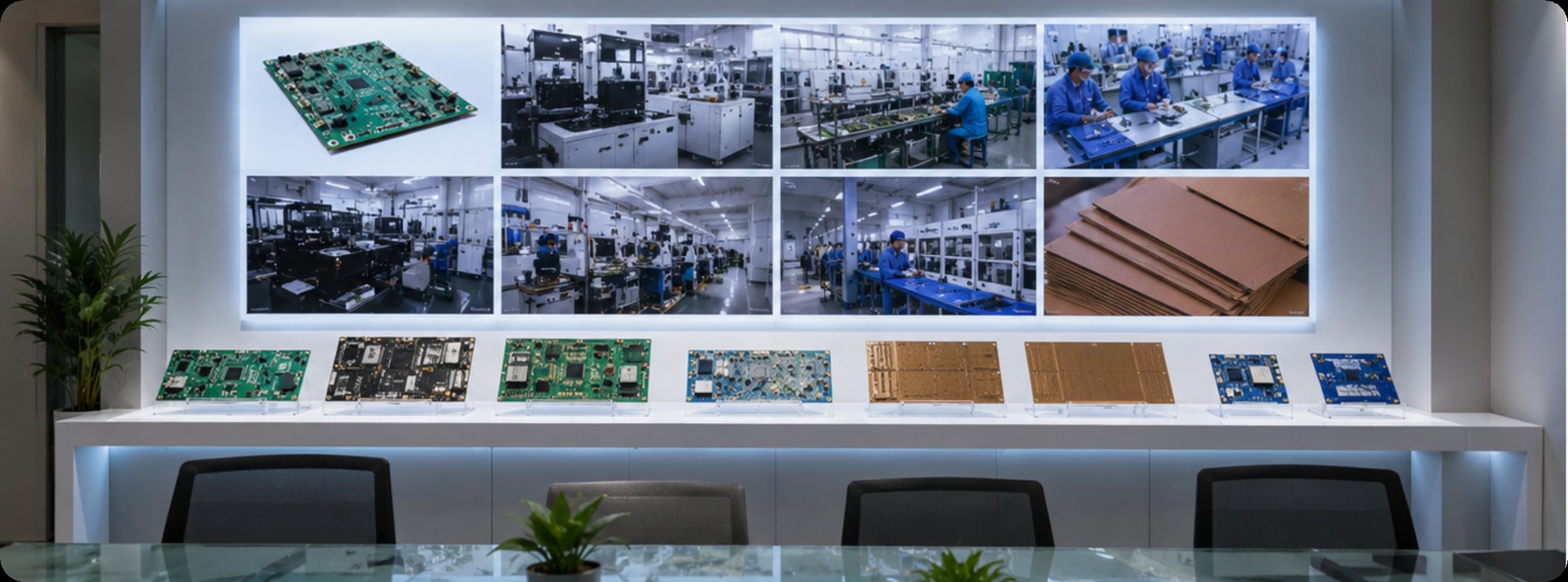
Key Outcomes and Benefits of Compliant PCBA and SMT Assembly in Customer Cases
The advantages of PCB Fabrication, PCB Assembly (PCBA), and SMT Assembly in customer case applications go far beyond basic functionality. Organizations consistently report higher visitor satisfaction, reduced staff overtime from equipment troubleshooting, lower total cost of ownership compared to older systems, and the flexibility to scale operations as demand grows. When compliance is embedded from the start, these outcomes become predictable rather than aspirational. For instance, adhering to IPC Class 2 or Class 3 requirements drastically reduces the likelihood of intermittent failures that plague non-compliant assemblies in high-usage scenarios.
Data from customer case collaborations tells a clear story: assemblies built under rigorous compliance programs show a 30-40% reduction in early-life failures. This means fewer service calls, lower warranty costs, and stronger trust between the manufacturer and the end customer. For SMT Assembly specifically, compliance with solder paste inspection (SPI) and automated optical inspection (AOI) standards ensures every joint is verified before the board moves to final test. The result is a product that not only meets specifications but also delivers a seamless field experience, whether in a museum tour guide system or a medical diagnostic device.
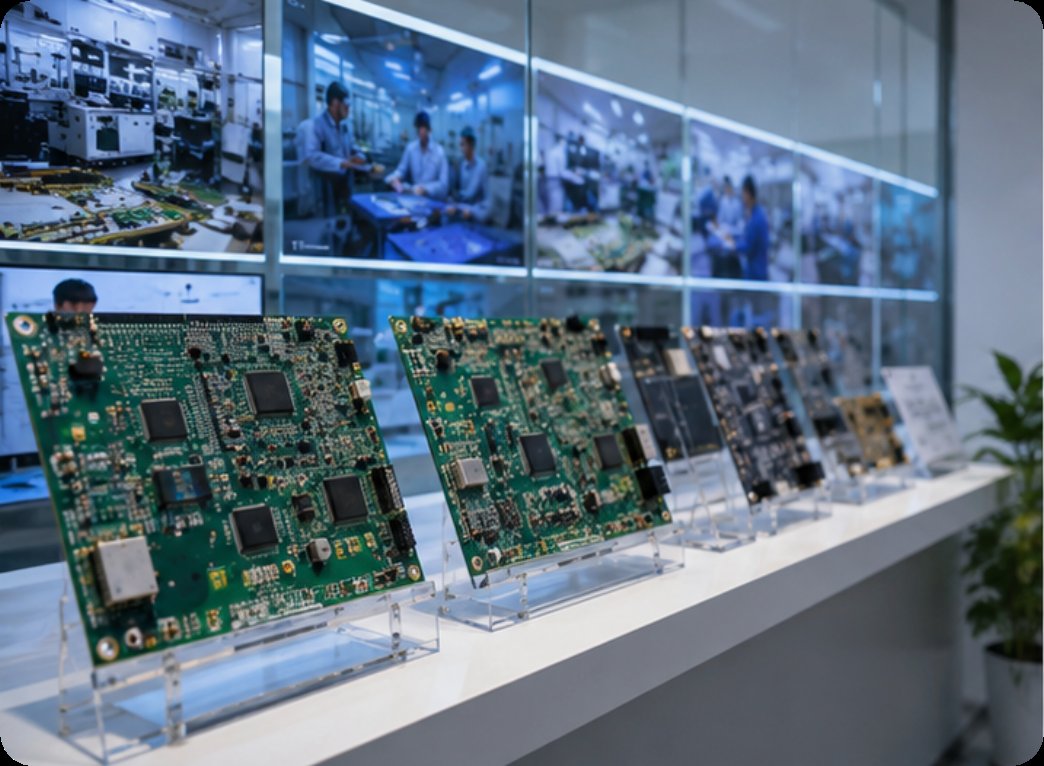
Market Pain Points and Challenges in Compliance-Driven Customer Cases
Customers deploying equipment for customer case applications consistently rank reliability as their top concern. Audio dropouts during critical moments, bulky devices that irritate visitors, and complex setup procedures create friction that undermines the entire tour experience. These pain points often trace back to non-compliant PCB Assembly or SMT Assembly processes. For example, poor solder joint quality on a connector can cause intermittent audio loss, while improper component placement can lead to overheating and system shutdown. Compliance standards directly address these failure modes by mandating specific process controls and inspection criteria.
Another major challenge is the lack of traceability in non-compliant assemblies. When a customer case deployment involves hundreds or thousands of units, the ability to trace a failure back to a specific batch, component, or process step is invaluable. Standards like IPC-1782 provide a framework for traceability in electronics manufacturing. Without it, troubleshooting becomes a guessing game, consuming staff time and eroding customer confidence. In customer case settings, where the end user may have zero tolerance for downtime, these challenges are amplified. Compliance is not just a box to tick — it is a risk mitigation strategy that protects both the manufacturer's reputation and the customer's operational goals.
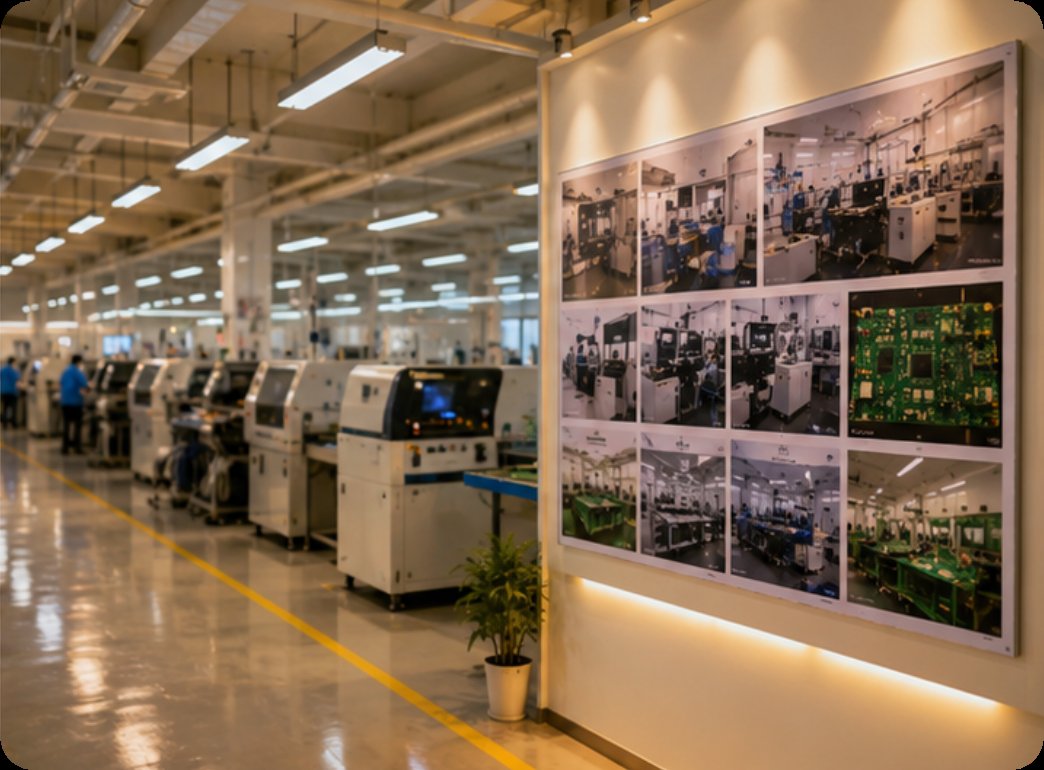
Frequently Asked Questions About Compliance in PCBA and SMT Assembly for Customer Cases
Common questions about deploying PCB Fabrication, PCB Assembly (PCBA), and SMT Assembly in customer case include: Do we need technical staff to operate the system? Can multiple groups tour simultaneously? What happens if a device runs out of battery mid-tour? Modern systems are designed with these scenarios in mind — intuitive operation, multi-channel support, and generous battery life with quick-swap options address each concern. From a compliance perspective, these features are enabled by rigorous testing under standards like IEC 62368 for audio/video equipment safety and IPC-9592 for power conversion devices.
Another frequent question concerns the certifications a customer should look for when selecting a partner for SMT Assembly and PCBA. Industry-recognized certifications such as ISO 13485 for medical devices, AS9100 for aerospace, or IATF 16949 for automotive signal that the manufacturer has implemented a quality management system tailored to high-reliability applications. In customer case deployments, these certifications provide third-party validation that the assembly process meets the highest standards. Customers also ask about lead-free compliance — RoHS and REACH are now baseline requirements, but additional restrictions may apply depending on the end market. A compliant partner will provide full material declarations and test reports to support regulatory filings.
Compliance Standards Reference for PCBA and SMT Assembly Customer Cases
| Model | Position | Weight | URL |
|---|---|---|---|
| PCB Fabrication | Base substrate manufacturing | Design-specific | PCB Fabrication |
| PCB Assembly (PCBA) | Component placement and soldering | Process-specific | PCB Assembly (PCBA) |
| SMT Assembly | Surface mount technology assembly | Process-specific | SMT Assembly |
Tags: PCBA /NEWEI /PCB Assembly /compliance /customer case /standards /
Prev: NEWEI DIP Assembly Compliance Standards: PCBA, PCB and SMT
Next: PCB Fabrication and SMT Assembly Technical Capability Performance Analysis