
Survival of the Leanest: Why Newei is Rewriting the SMT Assembly Playbook for the AI Hardware Era
How a 48-hour closure rule and closed-loop material discipline turned manufacturing chaos into a Tier-1 competitive advantage.
The Reality Check: After a decade in the EMS trenches, I’ve seen countless PCBA providers buckle under the volatility of "hot" sectors like AI edge computing or EV electronics. It’s rarely a lack of equipment—it’s a failure of operational discipline. At Newei, we realized that in 2026, data integrity and lean execution aren't just buzzwords; they are the difference between a successful product launch and a warehouse full of untraceable scrap.
The global electronics supply chain is no longer just about volume. As Generative AI migrates from massive data centers to edge AI hardware, and as automotive ADAS systems become standard, the margin for error in SMT assembly has vanished. For an Electronic Manufacturing Services (EMS) provider like Newei, this shift demanded a radical internal transformation. We moved away from "firefighting" production delays toward a predictive, closed-loop SMT process designed to handle the complexity of modern industrial, medical, and automotive electronics.
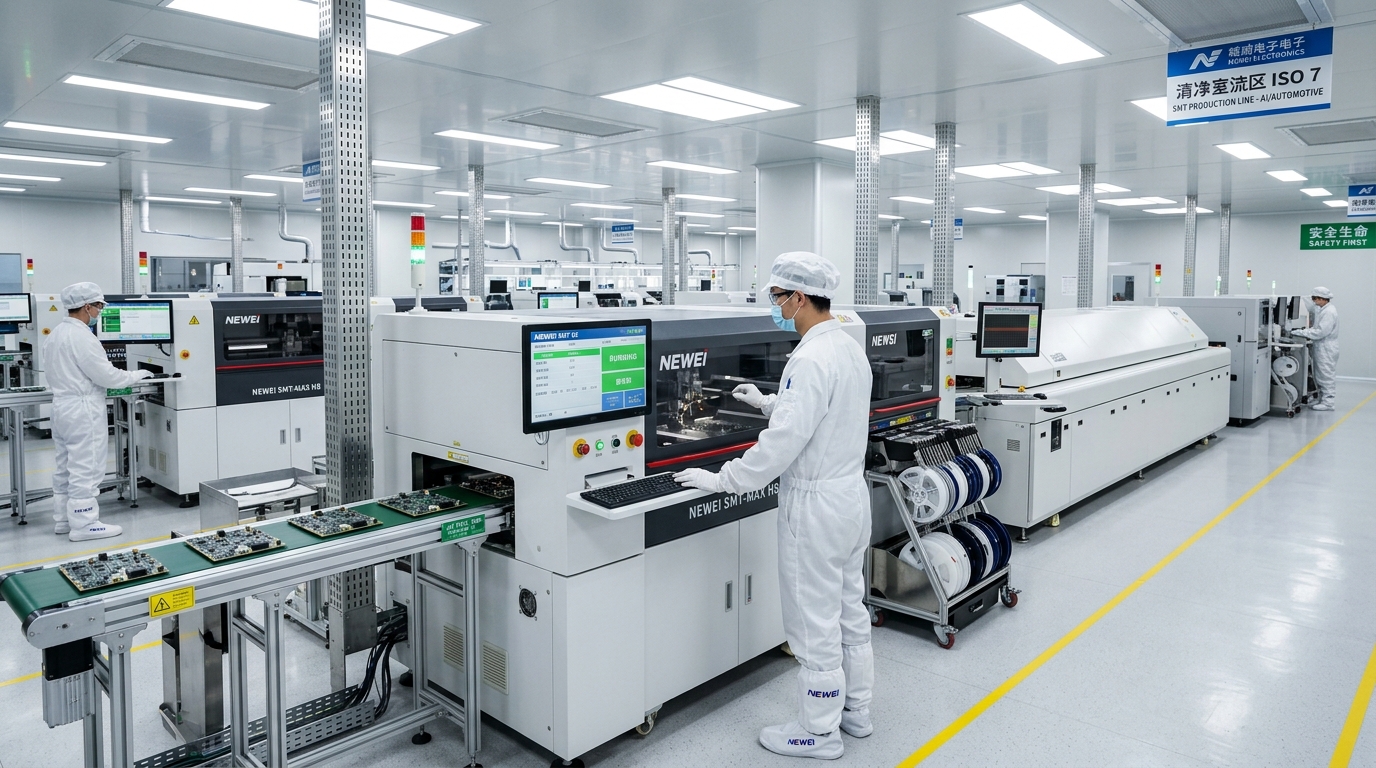
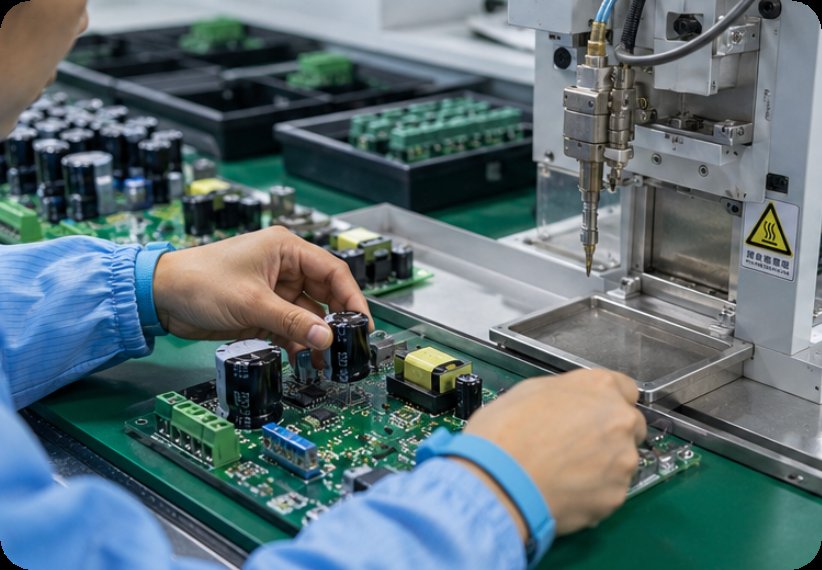
Fig 1: High-precision SMT lines at Newei, optimized for high-mix AIoT and automotive PCBA production.
The 48-Hour Rule: Eliminating the "Open Work Order" Trap
Six weeks ago, we confronted a common industry ghost: work orders that stayed "open" for months, masking material discrepancies and dragging down our First Pass Yield (FPY). In the world of PCBA SMT, an open order is a blind spot. We implemented a non-negotiable directive: Every work order must be closed within 48 hours of coming offline.
This wasn't just about paperwork. It forced a cultural shift in how we handle material traceability. By requiring that every returned component—whether a surplus resistor or a defective IC—be tagged with a specific work order ID and defect classification, we eliminated "ghost inventory." The impact was immediate:
- SMT First-Pass Yield surged from 92.6% to 94.8%.
- Inventory write-offs for A-class components dropped by 30%.
- The assembly closure rate jumped from a sluggish 76% to over 90%.
Precision for High-Stakes Applications: AI, Automotive, and Medical
Why does this lean discipline matter to our clients? Look at the sectors currently driving the hardware boom. Automotive BMS (Battery Management Systems), LiDAR modules, and AI inference servers don't just require parts on a board—they require documented reliability.
At Newei, we’ve specialized our lines for these high-mix, high-reliability requirements:
- Automotive Electronics: Our BMS production now utilizes extreme-reliability solder joints and 100% 3D AOI inspection. By logging expiration dates for every solder paste batch and IC reel, we ensure IPC Class 3 compliance for mission-critical hardware.
- AIoT & Edge Computing: Rapid design iteration is the norm here. We use First Article Inspection (FAI) as a strategic weapon. A three-party sign-off (Production, Engineering, and Quality) is mandatory before any batch run begins, ensuring that NPU or vision module boards are perfect from the first unit.
Medical Wearables: We implemented a full ESD (Electrostatic Discharge) retrofit and ultra-clean soldering protocols to meet the rigorous demands of portable medical diagnostics.
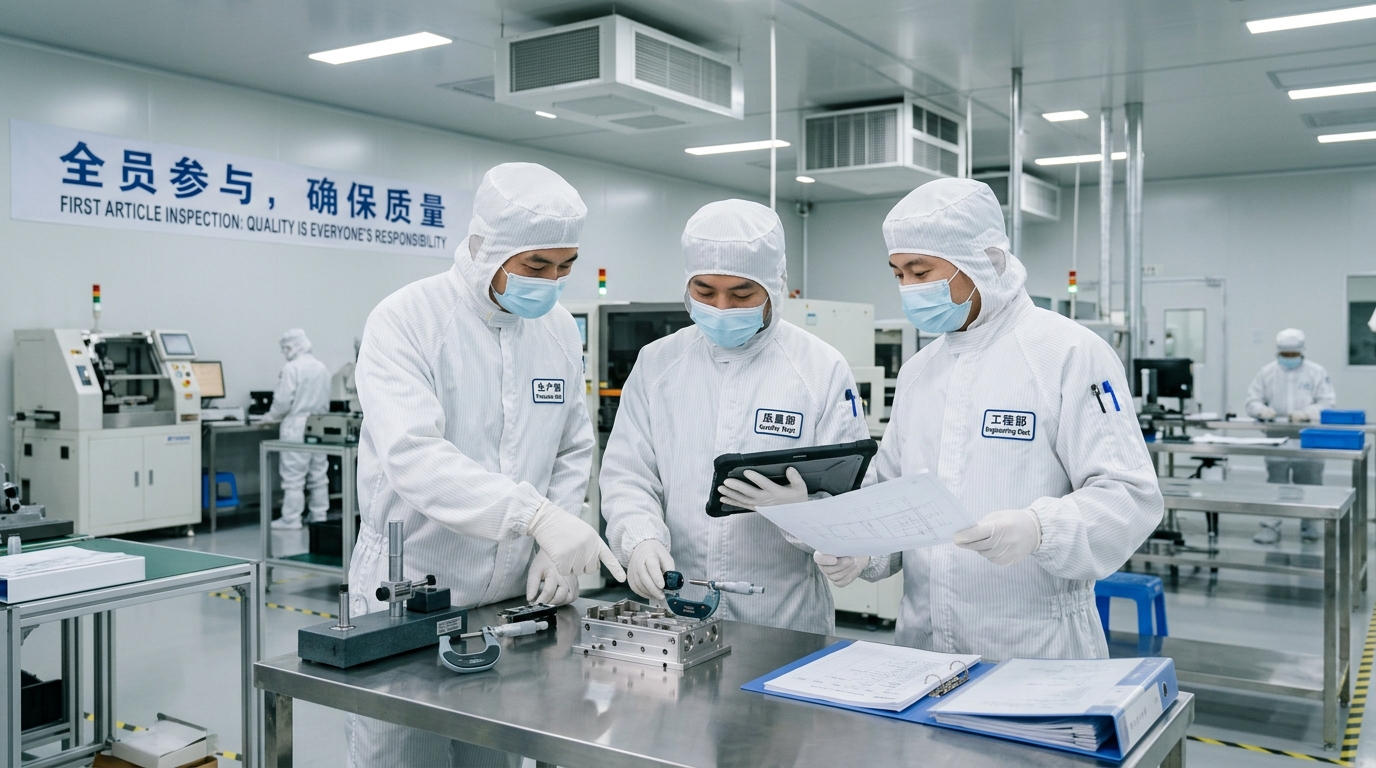
Fig 2: Collective FAI validation—where engineering and quality catch errors before they scale.
Killing "Ghost Inventory" with Material Traceability
One of the biggest hidden costs in EMS manufacturing is mixed material identity. When one customer part number corresponds to three different manufacturer specs, chaos follows. Newei solved this by centralizing all material communication. We dismantled fragmented WeChat groups and moved all material requests into a unified, transparent digital channel.
Our warehouse now operates on a strict FIFO (First-In, First-Out) basis, supported by digital tracking. If a part returns from the floor without a defect classification (Incoming vs. Process Damage), it isn't accepted. This level of granularity allows us to provide customers with an A-class material scrap rate limit of 4‰—a benchmark that gives our partners the confidence to trust us with high-value components like NVIDIA chipsets or automotive-grade sensors.
📈 The newei Advantage by the Numbers (30-Day Snapshot)
| Metric | Before Optimization | After Lean Pivot |
|---|---|---|
| SMT First-Pass Yield | 92.6% | 94.8% |
| Work Order Closure (48h) | <50% | >85% |
| Weekly Customer Complaints | 3.2 Avg | 1.0 Avg |
| Material Scrap Rate (A-Class) | 7.5‰ | 3.8‰ |
Vertical Integration: SMT, DIP, and Box Build
Many CMs (Contract Manufacturers) fragment their processes, leading to "finger-pointing" when a final assembly fails. newei integrates SMT, DIP, Testing, and Box Build under one roof and one quality management system.
For a recent AI edge server project, this meant we could move from prototype SMT to through-hole DIP and final system burn-in testing within a single 72-hour window. Our daily whiteboard stand-ups ensure that if an anomaly is found in the DIP stage, the SMT team is notified within minutes, not days. We don't just ship boards; we ship verified, ready-to-use hardware.
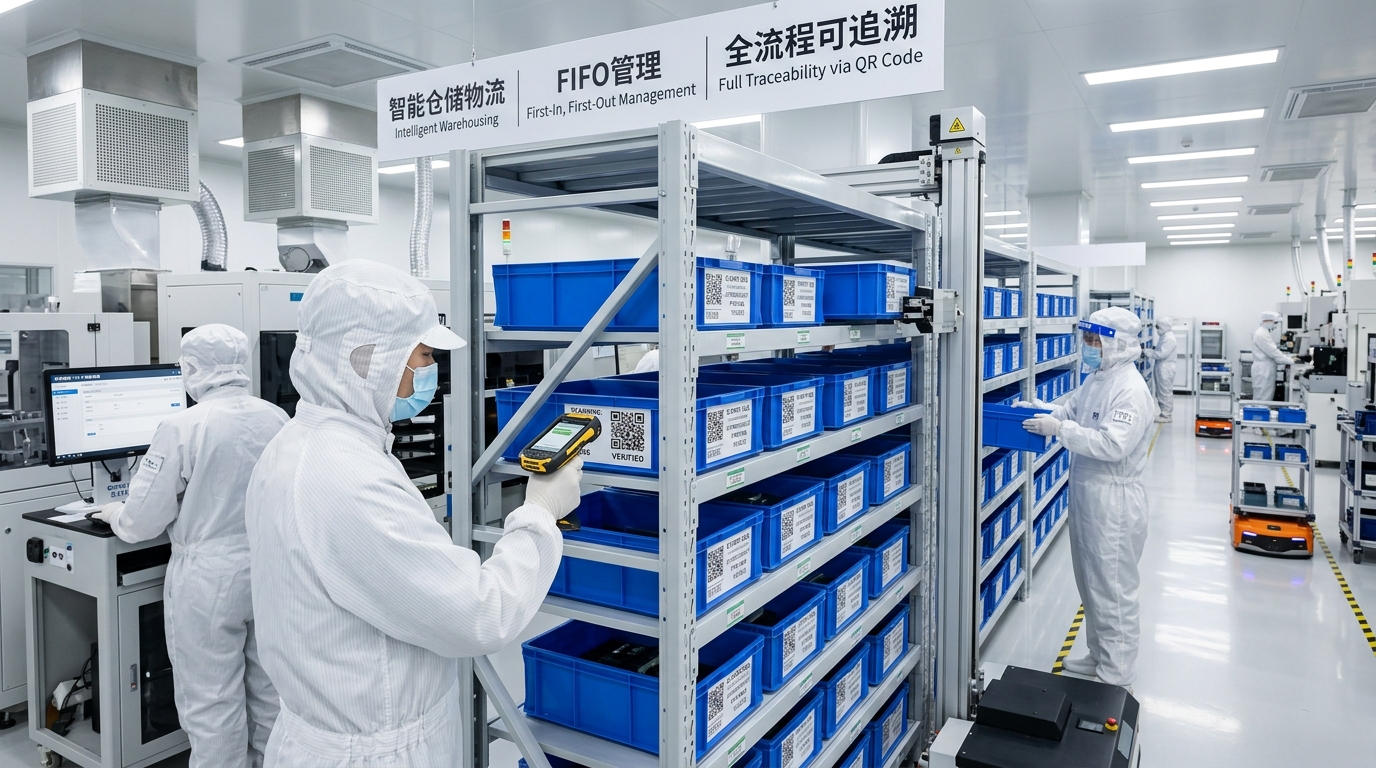
Fig 3: Digital inventory control at newei—real-time tracking for every component reel.
The Future of EMS: Radical Transparency
The "hero mode" of manufacturing—where an engineer works 20 hours of overtime to fix a botched batch—is dead. It isn't scalable, and it isn't reliable for automotive Tier-1 or medical hardware clients. The future belongs to radical transparency.
At newei, we’ve replaced excuses with data. We share real-time yield reports, root-cause analyses, and scrap data directly with our partners. If we see a design flaw in your PCB that affects solderability, we don't just "fix it on the fly"—we provide a DFM (Design for Manufacturing) report with photographic evidence. This partnership model reduces friction and accelerates your time-to-market.
Partner with newei for Your Next PCBA Launch
The AI and EV booms aren't just about who has the fastest chips; they're about who can build the hardware reliably and at scale. newei’s lean SMT assembly system is built for this exact challenge. From rapid prototyping to high-volume industrial control boards, we provide the closed-loop execution your project deserves.
Ready to de-risk your electronics manufacturing?
Stop dealing with ghost inventory and delivery surprises. Experience the newei 48-hour closure discipline.
Tags: Lean SMT Assembly /Closed-loop Manufacturing /AI Hardware PCBA /
Prev: Mastering PCBA Quality Control: Why 3D AOI, X-Ray, ICT/FCT, and Full Traceability are Non-Negotiable
Next: Eliminating BGA Soldering Defects: A Deep Dive into HIP, Voids, and Process Optimization